How to Winterize a Camper Van for Freezing Nights
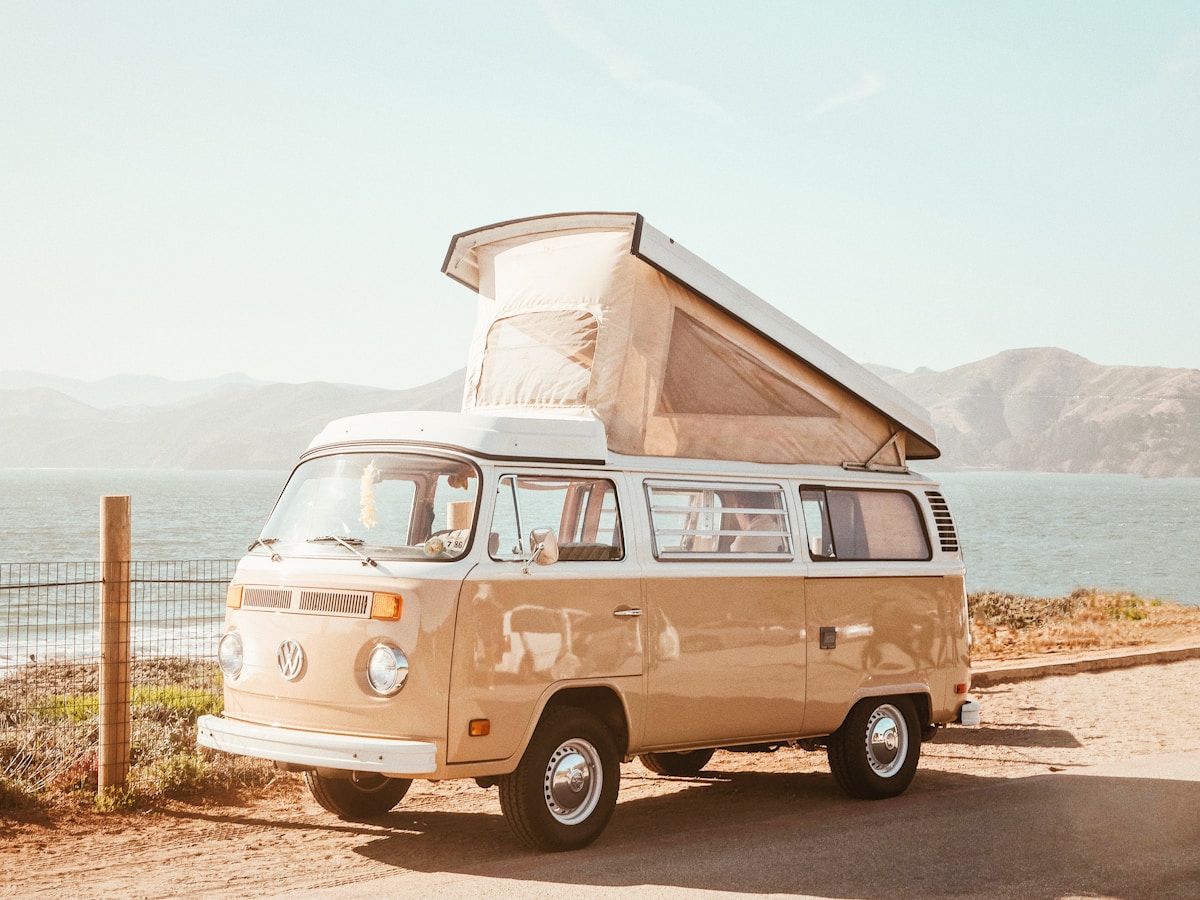
- Primary Signal: How to Winterize a Camper Van for Freezing Nights
- Overview: Winterizing a camper van means protecting water, batteries, and pipes from frost, sealing draughts, and keeping heat and ventilation in balance on cold nights....
- Verification: Analyzed and compiled by SkyFree Living editorial monitoring desk.
Freezing nights test every weak point in a camper van: water lines, batteries, seals, and insulation. Winterizing is not one big job but a series of small protections that together keep the van liveable and prevent expensive freeze damage. Start before the first hard frost, because a single night well below freezing can split a pipe or crack a tank that was fine the week before.
Water is the first priority. Drain the fresh tank, water heater, and lines if you will not be using them, or keep water moving and heated if you will. Insulate exposed pipes, especially those near exterior walls or underneath the van, and add a small amount of non-toxic antifreeze rated for potable systems only where the manufacturer allows it, never car antifreeze. Keep a jug of drinking water inside as a backup, and check external shower fittings and taps, which freeze first because they sit outside the insulated shell.
Batteries lose capacity in cold weather and can be damaged if charged while frozen, so know your battery type and its limits. Lithium batteries generally should not be charged below freezing unless they have built-in heating, while lead-acid batteries tolerate cold better but still deliver less power. Keep batteries as warm as practical, insulate the battery compartment without blocking ventilation, and monitor charge levels more often in winter. A small solar panel can help on sunny days, but do not rely on it alone during short, cloudy winter days.
Heating needs a safe, reliable source and a plan for when it stops. A diesel or propane heater designed for vehicles, installed and vented correctly, is far safer than an open flame or an unvented portable heater. Keep a carbon monoxide alarm with fresh batteries, never sleep with an unvented heater running, and leave a vent or window cracked for fresh air even on cold nights. Carry a backup blanket and warm clothing so a heater failure is uncomfortable, not dangerous.
Insulation and draught-proofing make heating affordable. Thermal window covers, especially for the windscreen and cab area, cut heat loss dramatically. Seal gaps around doors with new weather stripping, block unused vents at night while keeping one ventilation path open, and add rugs or mats to cold floors. Condensation is the hidden enemy of winter van life, so wipe windows in the morning, air bedding during the day, and use moisture absorbers in cupboards to protect against mould.
Outside the van, winter preparation matters too. Check tyres for tread and pressure, since cold air lowers pressure, and carry snow chains where they are required or likely needed. Keep locks and door seals from freezing with a suitable lubricant, and clear snow from the roof and solar panels so weight and shading do not build up. Store hoses and external gear where they will not freeze solid, and keep a shovel, torch, and emergency kit accessible rather than buried under luggage.
Daily winter routines keep small problems small. Each evening, check water levels, heater fuel, battery charge, and the weather forecast, and decide whether to drain anything vulnerable. Each morning, check for ice on steps, frozen locks, and condensation build-up. Keeping a simple checklist by the door helps when you are tired or arriving late, and it prevents the one forgotten tap that causes a leak.
Winter van life can be rewarding, with quiet campsites and crisp mornings, but it rewards preparation over improvisation. Protect water first, respect battery limits, heat safely with ventilation and a carbon monoxide alarm, insulate well, and keep a daily routine. With those habits, freezing nights become manageable, and your van stays ready for the next morning rather than needing repairs before you can move.
📖 Continue Reading the Full Story
Continue reading this article on SkyFree Living.
⚡ Access Full Content NowMore from SkyFree Living



 💎 LuxeLiving 768
What to Wear to a Luxury Gala: A Complete Guide
Black tie, white tie, or just formal? Decode the dress code, choose a flattering silhouette, and nail the deta...
 ✈️ SkyFree Club
Mobile & Cloud Optimization: Playback Speed Calculator — Video Time at Any Speed (Day 16 Guide)
Testing responsive workflows with the Playback Speed Calculator — Video Time at Any Speed on SkyFree Club. Dis...
⚡ SkyFree Athletics
Performance Benchmark: Playback Speed Calculator — Video Time at Any Speed (Day 7 Guide)
Understanding real-world data from the Playback Speed Calculator — Video Time at Any Speed on SkyFree Athletic...
 🖋️ SkyFree Chronicles
Expert Insights: Playback Speed Calculator — Video Time at Any Speed (Day 8 Guide)
The science behind our free Playback Speed Calculator — Video Time at Any Speed on SkyFree Chronicles. Discove...