How to Water Glass Eggs for Long-Term Storage Without Refrigeration
- Primary Signal: How to Water Glass Eggs for Long-Term Storage Without Refrigeration
- Overview: How to water glass eggs: the lime-water method that keeps fresh eggs good for 12 to 18 months with no electricity and no fridge....
- Verification: Analyzed and compiled by SkyFree Living editorial monitoring desk.
Water glassing is the oldest trick in the homesteader's book for keeping eggs without a fridge. Fresh, unwashed eggs are submerged in a solution of pickling lime and water, which seals the shell's pores and keeps the egg fresh for 12 to 18 months. No electricity, no freezer, and no special equipment beyond a food-grade bucket and a bag of lime.
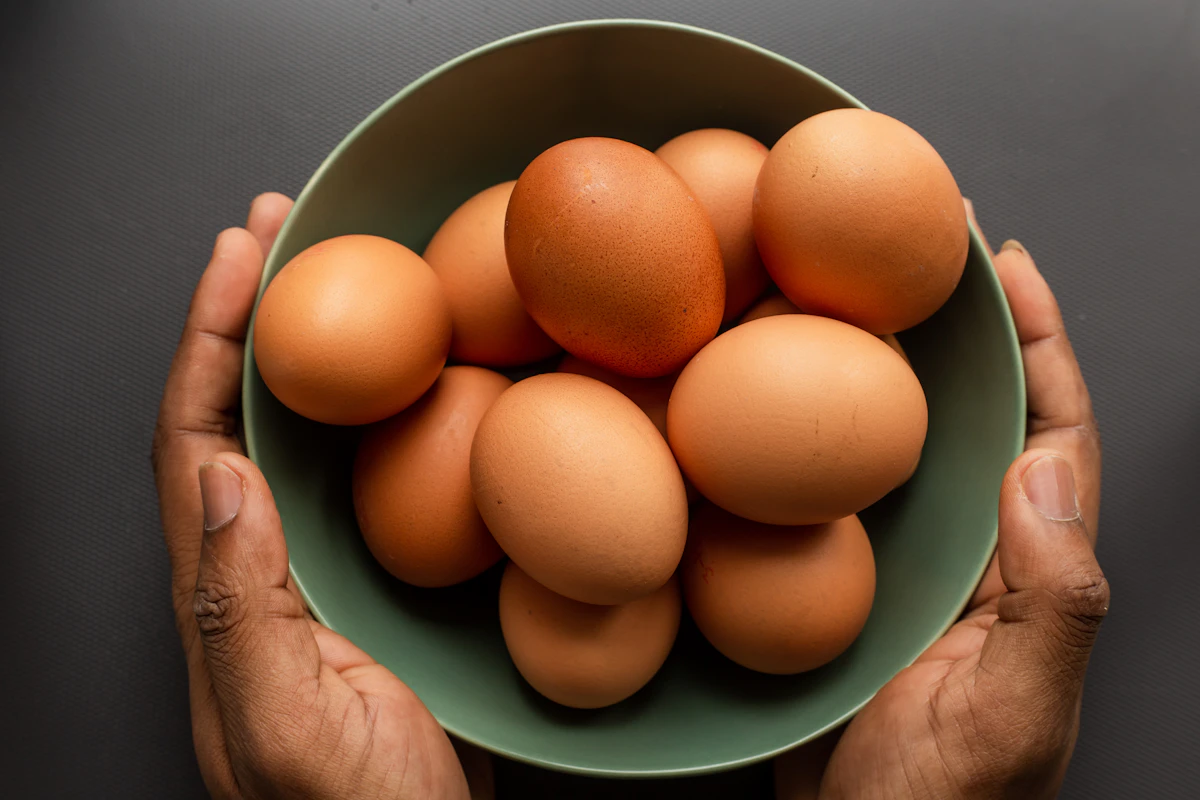
Only fresh, unwashed eggs work. The egg's natural protective coating, called the bloom, must be intact, because the lime solution seals the bloom in place. Store-bought eggs are already washed, so the bloom is gone and the method fails. Use eggs laid within the last day or two, and check each one for cracks, because a single cracked egg can spoil the whole batch.
The ratio is simple and worth memorising: one ounce of pickling lime, also sold as calcium hydroxide, to one quart of water. A standard 5-gallon food-grade bucket holds about three gallons of solution, which needs three ounces of lime. Mix the lime into the water first, stirring until it is fully dissolved, and let the water cool to room temperature before you add the eggs.
Use clean, unchlorinated water. Chlorine and the minerals in hard tap water can interfere with the seal, so most homesteaders use rainwater, distilled water, or tap water that has sat out for 24 hours to let the chlorine evaporate. Well water works if it is clean and free of heavy iron, which can stain the shells.
Place the eggs in the bucket pointy end down, in a single layer if you can, then stack more layers gently on top. A 5-gallon bucket holds roughly ten dozen eggs when packed carefully. Pour the lime solution over them until the eggs are covered by at least two inches of liquid, then press a plate on top to keep them submerged.
Store the bucket somewhere cool and dark, like a cellar, a pantry, or a shaded corner of a barn. The ideal temperature is between 50 and 70 degrees Fahrenheit. Check the water level once a month and top it up with fresh lime solution if the level drops below the top eggs, because any egg exposed to air will spoil.
When you want to use the eggs, lift one out with a slotted spoon and rinse it under clean water. Crack it into a separate bowl before adding it to your cooking, because a bad egg is obvious the moment it is cracked, and you do not want it in your batter. Water glassed eggs work best for baking, scrambling, and any recipe where the egg is fully cooked.
Do not use water glassed eggs for soft boiling or for recipes where the egg stays runny. The yolks become slightly thinner over months in storage, and the whites become a little more watery, which is fine for baking but noticeable in a fried egg. For best results, use the oldest eggs first and keep the batch rotating through the year.
The most common mistake is using washed eggs. If you are unsure whether your eggs are washed, rub the shell gently: an unwashed egg feels slightly tacky or powdery, while a washed egg feels smooth and clean. When in doubt, use only eggs you collected yourself and never washed, and skip any egg you are unsure about.
Water glassing shines when your hens lay more than you can eat. A flock of six hens can lay 30 eggs a week in spring, which is more than most families use. Instead of giving the surplus away or freezing it, glass the extra eggs in spring and summer, and you will have fresh-tasting eggs all winter when the hens slow down.
Q: How long do water glassed eggs really last? A: Most homesteaders find 12 to 18 months, with the best quality in the first 9 months. Eggs stored longer than 18 months are often still safe but lose quality, so plan to use each batch within a year.
Q: Is pickling lime the same as garden lime? A: No. Use food-grade pickling lime, sold as calcium hydroxide, not agricultural or garden lime, which can contain impurities. Pickling lime is cheap and sold in the canning aisle of most grocery stores.
Q: Can I water glass eggs from the store? A: No. Store eggs are washed, which removes the bloom the method depends on. The seal will not form properly, and the eggs will spoil within weeks instead of lasting a year.
More from SkyFree Living