How to Sell at a Farmers Market for the First Time: A Practical Guide
- Primary Signal: How to Sell at a Farmers Market for the First Time: A Practical Guide
- Overview: Your first farmers market stall can be a great day or an expensive lesson. Here is how to choose a market, price your goods, set up your stall, and actually sell....
- Verification: Analyzed and compiled by SkyFree Living editorial monitoring desk.
Selling at a farmers market is the moment a homestead stops being a hobby and starts being a business. It is also a wonderful way to spend a Saturday: meeting the people who eat your food, getting paid fairly for your work, and learning directly what your customers want. But a first market can also be an expensive lesson if you arrive unprepared. The stall fee, the packaging, the time spent growing and preparing, and a long day on your feet all add up, and a stall that sells nothing is a discouraging start. The good news is that first-time sellers who prepare properly usually do well, because customers love meeting the person who grew what they are buying. Here is how to prepare.
Choose the Right Market
Not all markets are equal. Visit three or four markets as a customer before you apply to any of them. Look at the foot traffic, the kind of shoppers, and whether anyone is already selling what you plan to sell. A market with a waiting list and a strict product policy is usually a good sign, because it means the market is well managed and the customers trust it. Read the market's rules carefully: most require you to grow or make what you sell, and many require liability insurance, food safety certification, or a permit. Apply early, because popular markets fill up months ahead. For your first time, choose a smaller, friendlier market rather than the biggest one in the region. You will learn more, feel less pressure, and make better contacts.
What to Sell, and How to Price It
Sell what you grow or make well, and keep the range small. Five to eight products is plenty for a first stall: a few vegetables, some eggs, a jar of jam, or a bunch of flowers. Customers trust a small, focused stall more than a sprawling one that looks like a supermarket. Price your goods by working out your real costs, including your time, and then checking what other stalls charge for similar products. Do not undercut your neighbours to win sales; it annoys other sellers and trains customers to expect prices you cannot sustain. Round prices to simple numbers, such as whole dollars or half dollars, so that change is easy and transactions are quick. And bring a card reader or a payment app, because a growing number of customers carry no cash at all.
Setting Up a Stall That Sells
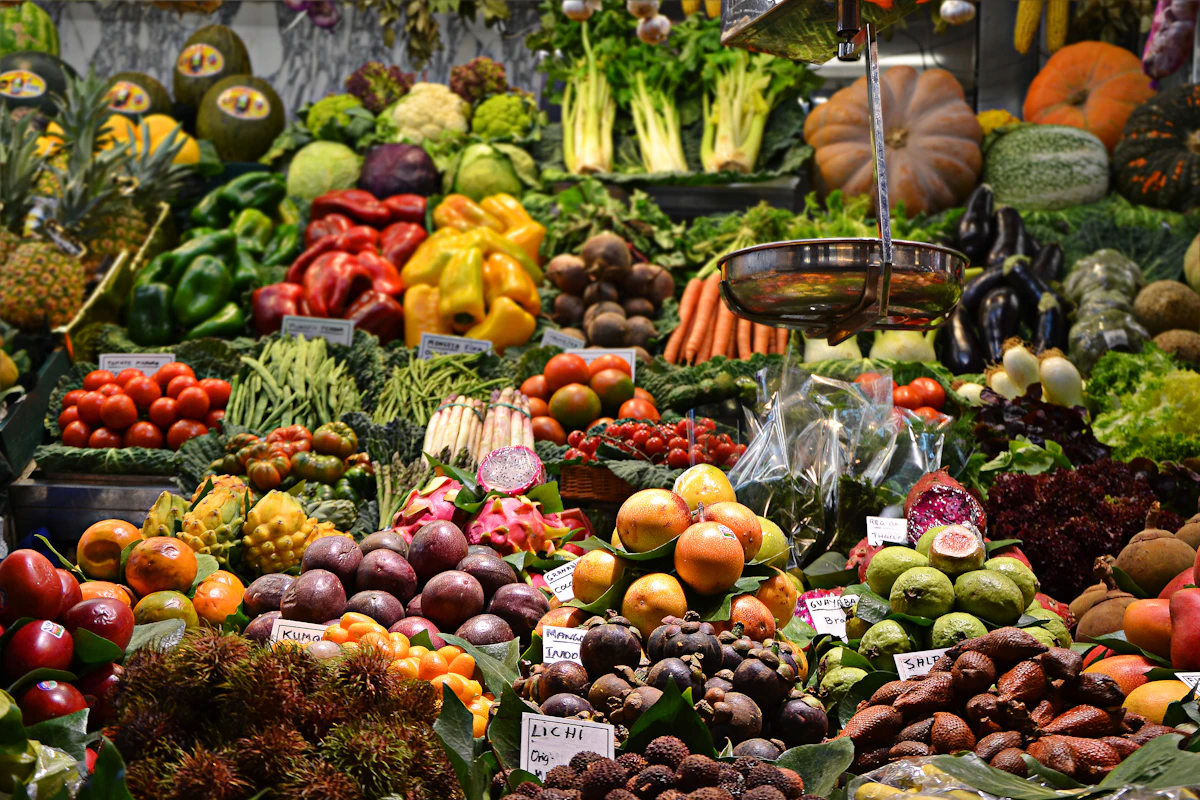
Your stall is your shop window, and it has about three seconds to catch a passing shopper's eye. Use a clean tablecloth, a clear sign with your farm or business name, and prices written large enough to read from a few steps away. Display your produce at different heights, using crates and baskets, because a flat table looks dull and a varied display looks abundant. Keep the stall tidy and full: a half-empty table at noon suggests everything good is gone. Offer a small taste where food safety rules allow it, because tasting is the fastest way to sell. Stand at the front of your stall, not behind it, and greet people warmly. Most sales at a farmers market are conversations first and transactions second.
The Day Itself, and What Comes After
Arrive early, set up calmly, and bring everything you need: change, bags, a card reader, water, food for yourself, sunscreen, and a chair for quiet moments. Keep a notebook and record what sells, what people ask for, and what they say about prices. Talk to your neighbouring sellers; they are your best source of advice and they may become your best customers. At the end of the day, count your takings honestly, including the stall fee and your costs, so you know whether the day paid. Thank the market manager and ask for feedback. Then do it again next week, with the lessons you learned. The first market is the hardest. By the third, you will have regular customers, a routine, and a stall that feels like yours. That is when a homestead starts to pay.
More from SkyFree Living