How to Preserve Vegetables Without a Freezer: 6 Methods That Work
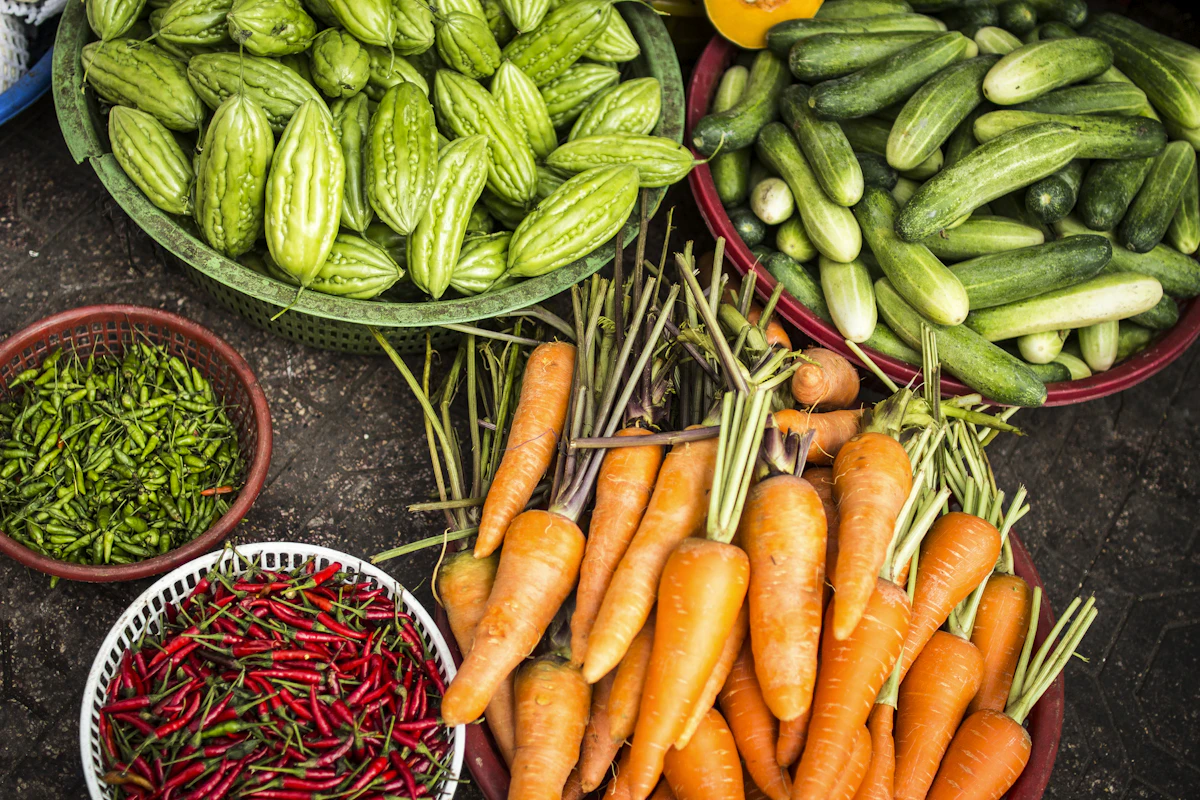
- Primary Signal: How to Preserve Vegetables Without a Freezer: 6 Methods That Work
- Overview: No freezer, no problem. Canning, fermenting, dehydrating, and root cellaring kept harvests edible for centuries — here are six methods that still work, and how to do them safely....
- Verification: Analyzed and compiled by SkyFree Living editorial monitoring desk.
Before freezers existed, every homestead preserved its harvest, and the methods they used still work today. A garden produces far more food in summer than a family can eat fresh, and without preservation, that abundance rots in a matter of days. The good news is that you do not need electricity, expensive equipment, or a freezer to keep vegetables edible for months. Six time-tested methods — canning, fermenting, dehydrating, pickling, root cellaring, and storing in oil or salt — each suit different vegetables and different kitchens, and most of them cost almost nothing to start. This guide explains all six, what each one is best for, and the safety rules that matter, so you can turn a summer glut into winter meals.
Why Preservation Matters
Preservation is the missing half of growing your own food. A garden that produces 50 kilograms of tomatoes in August is wonderful, and useless in January, unless you preserve the surplus. Without preservation, homesteaders face a cycle of feast and famine: too much food in summer, too little in winter, and money spent at the store for food they grew themselves. Preservation breaks that cycle. It also saves money — a jar of home-canned tomatoes costs a fraction of a store-bought one — and it gives you control over what goes into your food, with no preservatives or added sugar unless you choose them. Perhaps most importantly, preserved food is insurance: a pantry full of canned beans, fermented cabbage, and dried herbs means your household can eat well through a bad season, a power outage, or a tight month. Start with one method and one vegetable, learn it properly, and expand from there.
6 Methods That Work
Water-bath canning suits high-acid foods like tomatoes, pickles, and fruit: pack them in sterilized jars, cover with liquid, and process in boiling water for the time your recipe specifies. Pressure canning is required for low-acid vegetables like beans, corn, and carrots, because only pressure reaches the temperature that kills botulism spores — never water-bath low-acid foods. Fermenting is the easiest method of all: pack shredded cabbage with salt, let the natural bacteria turn it into sauerkraut over two to four weeks, and store it in a cool place for months; the same process works for cucumbers, carrots, and green beans. Dehydrating removes water so bacteria cannot grow: slice vegetables thin, dry them in a dehydrator or a low oven until brittle, and store them in airtight jars — dried tomatoes, peppers, and herbs last a year. Pickling preserves vegetables in vinegar, which is fast and safe, and gives you pickled cucumbers, onions, and beets within days.
What Stores Longest
Some vegetables are natural keepers and some are not, and knowing the difference saves effort. Potatoes, onions, garlic, and winter squash store for four to eight months in a cool, dark place with no processing at all, which makes them the backbone of any preserved pantry. Root vegetables like carrots, beets, and turnips last three to five months in a root cellar or in damp sand. Canned tomatoes, beans, and corn keep for a year or more on a shelf, and properly fermented sauerkraut and kimchi keep for six months or longer in a cool place. Dried vegetables — tomatoes, peppers, mushrooms, and herbs — last a year or more in airtight jars kept away from light. Pickled vegetables keep for six to twelve months refrigerated, or longer if properly canned. The vegetables that do not preserve well are the delicate ones: lettuce, cucumbers eaten fresh, and most leafy greens are best eaten in season, not stored.
Safety Rules You Must Follow
Food preservation is safe when you follow tested recipes, and dangerous when you improvise. The most important rule is to use a tested recipe from a reliable source — the National Center for Home Food Preservation, a university extension service, or a current canning book — and follow it exactly, including processing times, because botulism is odorless, tasteless, and potentially fatal. Never reduce the vinegar in a pickling recipe, never water-bath low-acid vegetables, and never use a recipe from an old or untested source. Sterilize jars and lids before filling, leave the headspace the recipe specifies, and check that every jar seals properly — a lid that does not pop down is not sealed and must be refrigerated and eaten within days. Label every jar with the contents and the date, and use the oldest first. Store canned goods in a cool, dark, dry place, and discard any jar with a bulging lid, a bad smell, or mold.
Frequently Asked Questions
Q: What is the safest way to preserve vegetables without a freezer?
A: Water-bath canning for high-acid foods and pressure canning for low-acid vegetables, using tested recipes and exact processing times, is the safest method. Fermenting and dehydrating are also safe when done correctly.
Q: Can I preserve vegetables with no special equipment?
A: Yes. Fermenting needs only a jar and salt, root cellaring needs only a cool dark place, and dehydrating can be done in a low oven. Canning needs jars, lids, and a large pot or pressure canner.
Q: How long do home-preserved vegetables last?
A: Canned vegetables keep 12 to 18 months, fermented vegetables 6 months or more, dried vegetables a year or more, and root-cellar vegetables 3 to 8 months depending on the crop.
More from SkyFree Living


