How to Grow Zucchini: One Plant, a Mountain of Squash, and What to Do With It

- Primary Signal: How to Grow Zucchini: One Plant, a Mountain of Squash, and What to Do With It
- Overview: Zucchini is the most productive vegetable in the garden: one plant can feed a family and still leave you giving squash away. This guide covers planting, pollination, harvest timing...
- Verification: Analyzed and compiled by SkyFree Living editorial monitoring desk.
Zucchini is the most productive vegetable in the garden: one plant can feed a family and still leave you giving squash away. This guide covers planting, pollination, harvest timing, and what to do with the inevitable glut.
This guide covers why one plant is usually enough, planting: timing, soil, and space, pollination: flowers, bees, and hand pollination, harvest at the right size, and what to do with the glut. Each section explains the topic with concrete examples, so you can use what you learn straight away.
A single healthy zucchini plant produces 6 to 10 pounds of squash over a season, and two plants are more than enough for most families. Zucchini grows fast, going from seed to first fruit in about 45 to 55 days, which makes it one of the most satisfying crops for beginners. The famous problem is not growing zucchini but stopping it, because a plant left alone will produce far more squash than any household can eat fresh.
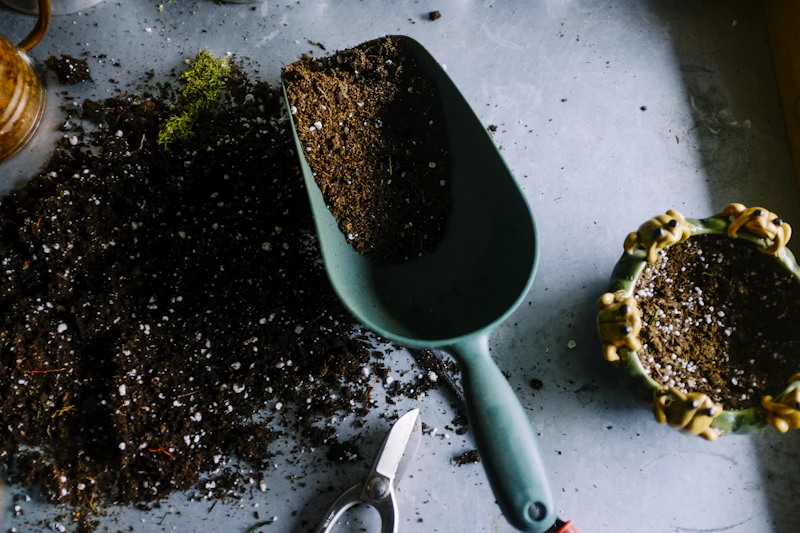
Sow seed directly outdoors after the last frost, when the soil is at least 18 degrees Celsius, because zucchini hates cold soil and will sulk for weeks. Give each plant at least 1 square metre of space, since zucchini leaves are enormous and crowded plants invite mildew and poor airflow. Enrich the planting hole with compost, because zucchini are heavy feeders and a rich bed produces far more fruit than a poor one.
Zucchini plants produce separate male and female flowers, and the female flowers have a tiny squash behind the bloom that only grows if pollinated. Bees do most of the work, but if you see small fruits rotting at the blossom end, pollination is failing and you can hand-pollinate with a small brush. Plant flowers nearby to attract pollinators, and avoid spraying insecticide on squash plants, since it kills the bees the crop depends on.
Pick zucchini when they are 15 to 20 centimetres long, because small squash are tender and sweet while oversized ones turn watery and seedy. Check the plant every two days in peak season, because a zucchini can double in size overnight and a missed fruit becomes a marrow by the weekend. Cut the fruit with a knife, leaving a short stem, rather than twisting it off, because twisting damages the plant and invites disease.
Grate and freeze zucchini in 2-cup portions for baking, since frozen grated squash works perfectly in muffins, breads, and soups. Make zucchini fritters, ratatouille, and stuffed zucchini boats, and share the surplus with neighbours, because a basket of zucchini is the classic homestead gift. If the glut is truly overwhelming, let one fruit grow huge, save its seed, and compost the rest, because even the compost benefits from the extra organic matter.
More from SkyFree Living