How to Grow Sunflowers for Seeds and Oil: Planting, Harvesting, and Saving Seed
- Primary Signal: How to Grow Sunflowers for Seeds and Oil: Planting, Harvesting, and Saving Seed
- Overview: Sunflowers are beautiful, useful, and almost impossible to kill. Learn how to grow them for edible seeds, press your own oil, and save seed for next year....
- Verification: Analyzed and compiled by SkyFree Living editorial monitoring desk.
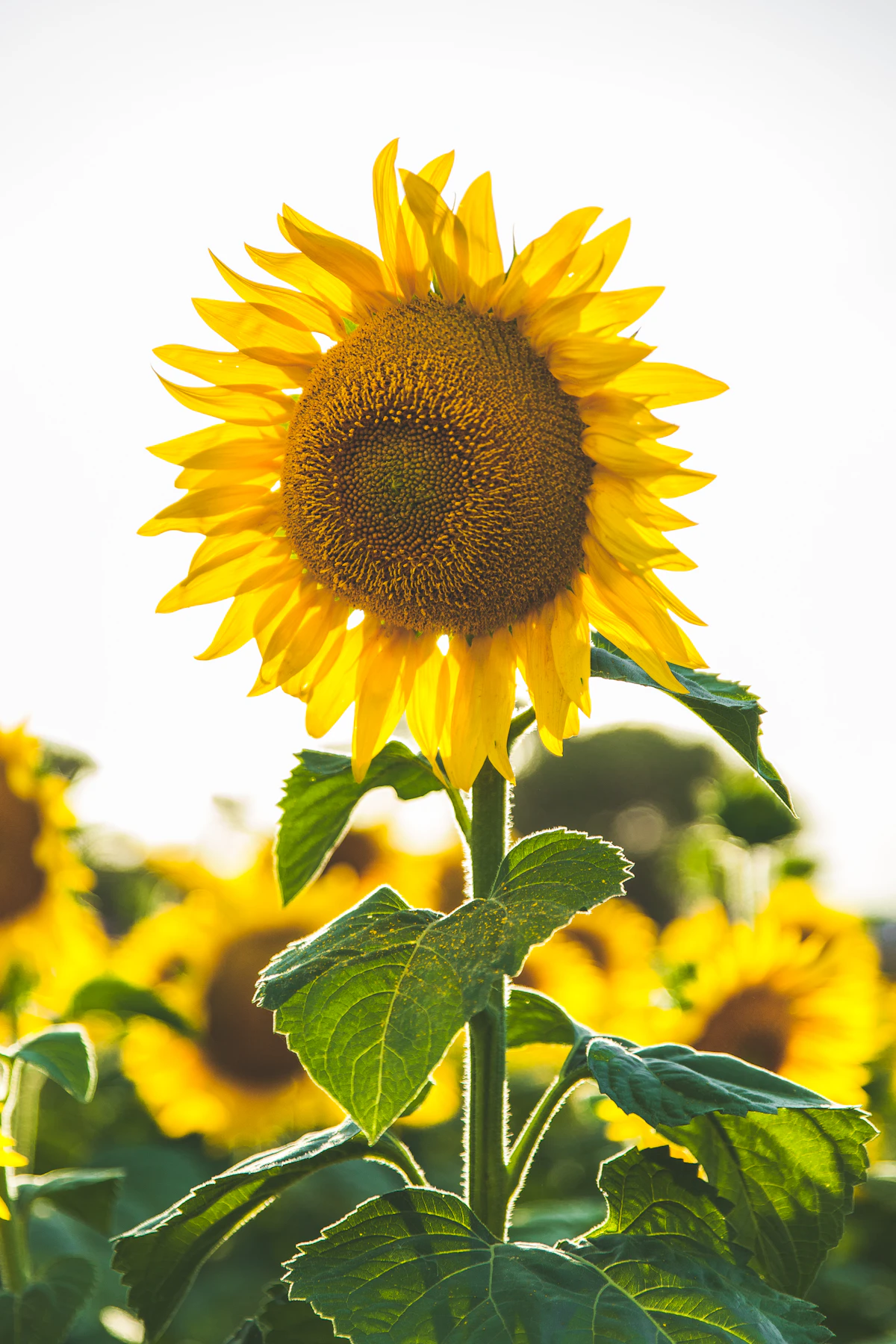
Sunflowers do three jobs at once on a homestead: they feed the family with seeds, they feed the chickens with what is left over, and they make the garden look extraordinary. They grow fast, they tolerate poor soil, and a single large head can hold a thousand seeds. If you have a sunny patch of ground, sunflowers are one of the easiest crops you will ever grow.
Ornamental sunflowers are bred for small heads and bright petals, and their seeds are often tiny or sterile. For food, choose varieties bred for seed: Mammoth, Titan, or any variety sold as an oilseed or confectionery sunflower. These grow heads thirty centimetres across or more, with large, plump seeds worth eating.
Plant sunflowers where they will not shade your other crops, because a two-metre sunflower casts a long shadow. The north edge of the garden is ideal. Space plants about thirty to forty-five centimetres apart, and give them full sun — they will lean toward the light and grow crooked in shade.
Sow directly in warm soil after the last frost, about two centimetres deep. Sunflowers germinate in a week and grow fast, so there is no need to start them indoors. Protect young seedlings from birds and slugs: a cut-off bottle over each seedling works until the plant is fifteen centimetres tall and tough enough to survive.
Water deeply once a week rather than a little every day, because deep watering builds deep roots. Sunflowers are drought tolerant once established, but they need steady water while the heads are filling, or the seeds will be small and hollow. A stake for tall varieties is worth the effort — a heavy head in a summer storm can snap a stem overnight.
A sunflower head is ready when the back of the head turns from green to yellow-brown and the seeds are plump and striped. Cut the head with about thirty centimetres of stem, and hang it upside down in a dry, airy place to finish drying. Cover the head with a mesh bag or an old pillowcase so the seeds do not fall everywhere.
Once dry, rub two heads together over a bucket and the seeds will fall out easily. Winnow them by pouring from one bucket to another in a light breeze, which blows away the chaff. Roast the seeds with a little salt for eating, or store them raw in sealed jars.
Sunflower oil is the homestead bonus. A small hand press can extract oil from dried seeds, and the leftover press cake is excellent chicken feed. You will not press enough oil to replace the shop entirely, but a litre of your own oil from your own field is a satisfying step toward self-sufficiency.
To save seed, let one or two of your best heads dry fully on the plant and store the seeds in a paper envelope in a cool, dry place. Label the variety and the year. Sunflowers cross-pollinate easily, so saved seed may not grow true to type if other varieties flowered nearby — but for a homestead, a surprise sunflower is rarely a disappointment.
Sunflowers are also a gift to the rest of the garden. Their roots break up compacted soil, their tall stems shelter tender plants from wind, and their flowers bring in bees and beneficial insects by the dozen. Plant a row along the north edge of the vegetable garden and you will see the difference in pollination within a season. And when the season ends, the stalks make excellent kindling and the heads, left standing through winter, feed the birds. Few plants give a homestead so much for so little work, which is why sunflowers belong in every garden, every year.
More from SkyFree Living