How to Grow Potatoes in Containers: Big Harvests From Small Spaces
- Primary Signal: How to Grow Potatoes in Containers: Big Harvests From Small Spaces
- Overview: Potatoes are one of the easiest and most rewarding crops to grow in containers, and a few pots can feed a family for weeks. This guide covers containers, varieties, planting, hilli...
- Verification: Analyzed and compiled by SkyFree Living editorial monitoring desk.
Potatoes are the perfect container crop. They grow underground, so they do not need much space above the soil. They are forgiving of beginners. And a single container can produce several kilos of potatoes from just a few seed potatoes. If you have a balcony, a patio, or a small yard, you can grow potatoes without a garden bed at all.
Almost any large container works, as long as it holds at least forty litres of soil and has drainage holes. Fabric grow bags are popular because they drain well, air-prune the roots, and are easy to empty at harvest. Large buckets, half barrels, and old dustbins work too, as long as you drill drainage holes in the bottom. Avoid containers that held chemicals. Dark containers warm the soil faster in spring, which helps early growth, but they can overheat in summer, so shade them on very hot days.
Start with certified seed potatoes, not supermarket potatoes, which are often treated to stop them sprouting and can carry disease. Choose a variety that suits your climate and your cooking. Early varieties mature fast and are best eaten fresh. Maincrop varieties take longer but store well through winter. For containers, early and second-early varieties usually work best, because they finish before the container dries out in high summer.
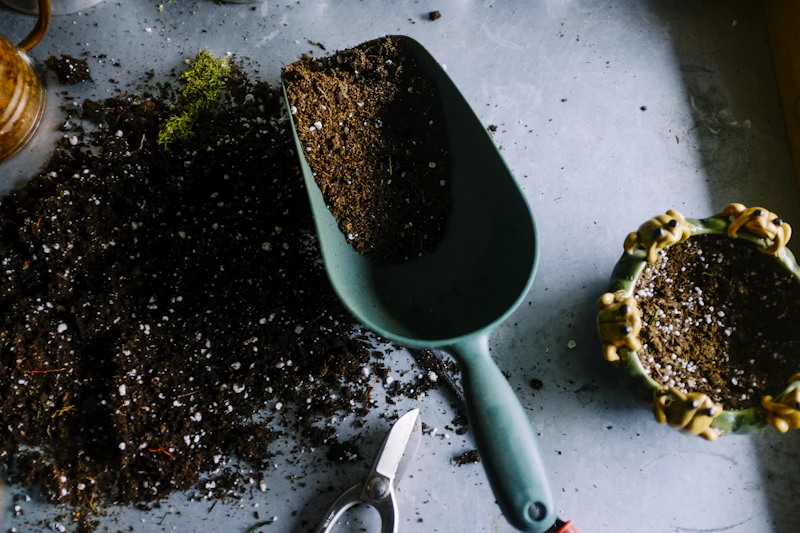
Planting is simple. Fill the container with ten to fifteen centimetres of good compost or potting mix. Place three to four seed potatoes on the soil, sprouts facing up, and cover them with another ten centimetres of soil. Water well. As the plants grow, keep adding soil around the stems, a process called hilling or earthing up. Each time the stems reach fifteen centimetres above the soil, add another ten centimetres, until the container is nearly full. The buried stems grow more potatoes, which is why hilling matters so much.
Watering is the most important job in container growing. Containers dry out far faster than garden beds, and potatoes need consistent moisture to form tubers. Water deeply whenever the top few centimetres of soil feel dry, and never let the container dry out completely once the plants are flowering. A layer of straw or mulch on the surface slows evaporation and keeps the soil temperature steady. In hot weather, check the containers daily.
Feeding is simple too. Potatoes are hungry plants, so mix a slow-release organic fertiliser into the soil at planting time. Once the plants are growing well, feed them every two weeks with a liquid feed, such as diluted seaweed or compost tea. Avoid fertilisers very high in nitrogen, because they produce lots of leafy growth and few potatoes. The goal is strong plants with plenty of tubers underneath.
Harvest time depends on the variety. Early potatoes are ready when the plants flower, usually ten to twelve weeks after planting. Feel around in the soil gently with your hand and take the largest potatoes, leaving the smaller ones to grow. Maincrop potatoes are ready when the leaves turn yellow and die back, usually sixteen to twenty weeks after planting. Stop watering two weeks before harvest so the skins toughen up for storage.
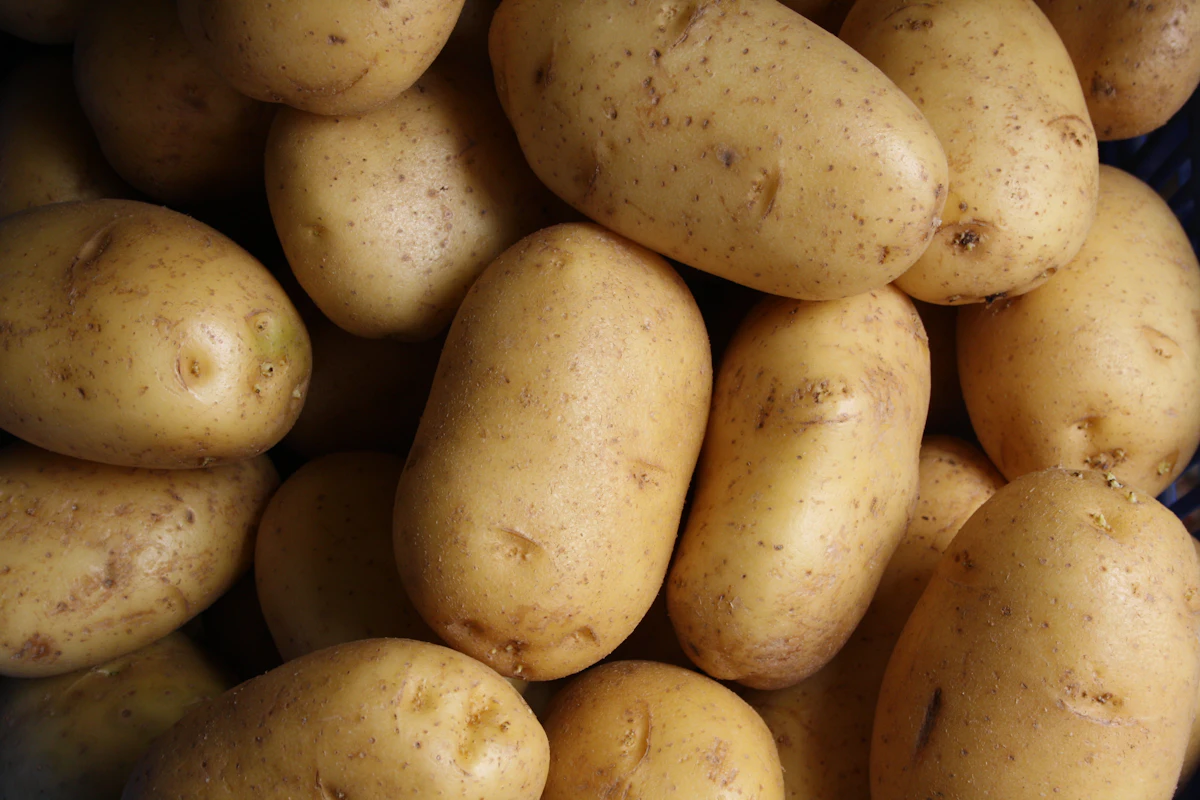
To harvest, tip the whole container out onto a sheet or a tarp and pick the potatoes out of the soil. This is the great advantage of containers: no digging, no fork damage, and no lost potatoes left in the ground. Let the potatoes dry in the sun for a few hours, then brush off the loose soil. Do not wash them before storing. Store maincrop potatoes in a cool, dark, well-ventilated place, in a paper sack or a basket, and they will keep for months.
Growing potatoes in containers turns the smallest space into a productive garden. A few grow bags, some seed potatoes, and regular watering are all it takes. The first time you tip out a container and find it full of potatoes, you will wonder why you ever bought them in a shop.
More from SkyFree Living