How to Grow Potatoes in Containers: Buckets, Bags, and Big Harvests
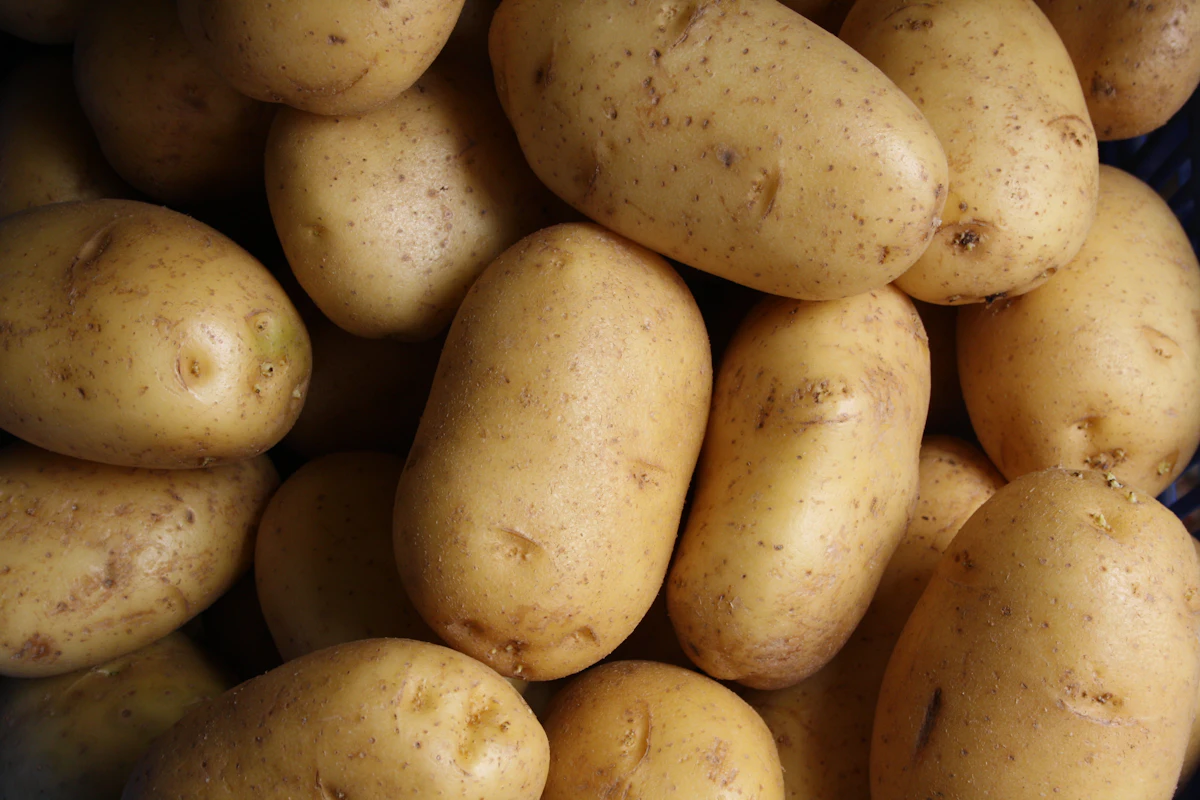
- Primary Signal: How to Grow Potatoes in Containers: Buckets, Bags, and Big Harvests
- Overview: How to grow potatoes in containers: the best varieties, how to hill them, and how to harvest a full bucket from a single seed potato....
- Verification: Analyzed and compiled by SkyFree Living editorial monitoring desk.
Potatoes are one of the best crops for container growing, because they need loose soil, steady water, and room to form tubers, all of which a bucket provides better than heavy garden soil. A single 5-gallon bucket with one or two seed potatoes can yield two to five pounds of potatoes, and a row of six buckets can feed a family for weeks.
Start with certified seed potatoes, not supermarket potatoes. Seed potatoes are certified disease-free, while supermarket potatoes are often treated with a sprout inhibitor that stops them growing. Buy them from a garden centre or a seed supplier, and choose a variety that suits containers: early varieties like Yukon Gold and Red Norland crop fast, and fingerlings grow well in deep pots.
Cut large seed potatoes into pieces, each with at least two eyes, and let the pieces dry for a day or two until the cut surface calluses over. This step, called chitting or curing, stops the piece rotting in damp soil. Small seed potatoes the size of an egg can go in whole. Never plant a piece without an eye, because nothing will sprout from it.
Use a container of at least five gallons, with drainage holes in the bottom. Drill six to eight holes half an inch wide, and add a layer of gravel or broken pot shards so water drains freely. Potatoes rot quickly in standing water, and a bucket with no drainage is the most common reason container potatoes fail.
Fill the container with four inches of loose, rich potting mix, not garden soil, which compacts in a pot. Place the seed pieces on top, eyes facing up, and cover them with another four inches of mix. Water well. As the plants grow, add more mix around the stems, a process called hilling, until the container is nearly full. New tubers form along the buried stem, so every layer of soil you add is another layer of potatoes.
Water consistently and never let the soil dry out completely. Potatoes need steady moisture, especially while the tubers are forming, and a dry spell followed by heavy watering causes cracked and knobby potatoes. In hot weather a bucket can dry out in a day, so check the soil with your finger each morning and water when the top inch is dry.
Feed lightly. Mix compost into the potting soil at planting time, and feed once mid-season with a balanced liquid fertiliser or compost tea. Too much nitrogen gives you beautiful leafy plants and few potatoes, so avoid fresh manure and high-nitrogen feeds. The goal is tubers, not leaves.
Harvest new potatoes early and maincrop potatoes late. For new potatoes, reach into the soil about ten weeks after planting and take a few small tubers while leaving the plant to grow more. For a full harvest, wait until the foliage turns yellow and dies back, which usually takes 90 to 110 days, then stop watering for a week and tip the bucket out onto a tarp.
Cure the harvest before storage. Lay the potatoes in a dark, airy place for a week so the skins toughen, then brush off the loose soil and store them in a cool, dark spot at around 40 degrees Fahrenheit. Do not wash potatoes before storage, because moisture causes rot. Properly cured potatoes from containers keep for three to five months.
Re-use the soil with care. Potato soil can carry disease into the next season, so do not grow potatoes or tomatoes in the same mix two years running. Compost the old soil, or use it for flowers and leafy greens, and start each potato season with fresh mix. This rotation is the simplest way to keep container potatoes healthy year after year.
Q: How many potatoes will one bucket produce? A: A 5-gallon bucket with one or two seed pieces typically yields two to five pounds, depending on variety and watering. Six buckets at three pounds each gives about 18 pounds, which is a useful harvest from a small patio.
Q: Can I grow potatoes in a grow bag instead of a bucket? A: Yes, and grow bags work well because the fabric breathes and the roots get air. A 10-gallon grow bag fits three seed pieces and usually out-yields a bucket. Harvesting is easier too, because you can open the flap at the bottom.
Q: Why are my potato plants tall and leafy but the harvest is small? A: The usual cause is too much nitrogen, too little light, or not enough hilling. Feed lightly, give the buckets full sun, and hill the stems as they grow so new tubers have soil to form in.
More from SkyFree Living


