Composting for Beginners: A Small-Space Guide
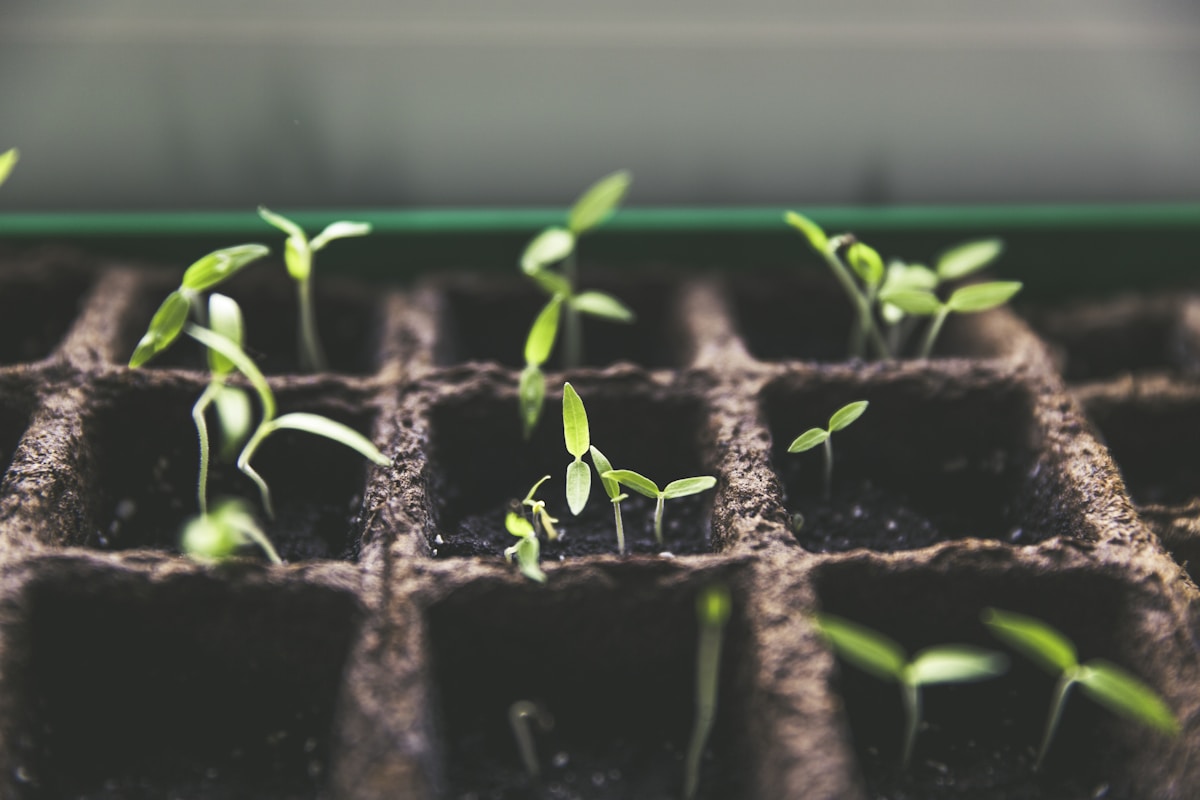
- Primary Signal: Composting for Beginners: A Small-Space Guide
- Overview: Small-space composting works when you balance browns and greens, keep the pile aerated, and choose the right bin for your space. This guide fixes the common smelly-pile problems....
- Verification: Analyzed and compiled by SkyFree Living editorial monitoring desk.
Composting turns kitchen scraps and garden waste into rich soil, but beginners often end up with a smelly pile that attracts pests and never seems to break down. The problem is rarely effort, it is balance: too much wet food without enough dry material, too little air, or a pile that is either too small to heat up or too wet to breathe. A small-space system can work beautifully if you follow a few simple ratios and choose a method that fits your space, whether that is a balcony, a small yard, or a shared garden. You do not need a large plot to make good compost.
Choose a method that fits your space and your tolerance for management. A tumbler composter works well for small yards because it is enclosed, keeps pests out, and is easy to turn. A worm bin, or vermicompost system, works indoors or on a balcony and handles fruit and vegetable scraps efficiently, but it needs protection from extreme heat and cold and does not accept meat, dairy, or oily foods. A small open bin made from pallets or wire mesh works if you have a garden corner, but it needs more attention to pests and moisture. Start with one method, learn it well, and expand only if you consistently produce more waste than it can handle.
The core skill in composting is balancing browns and greens. Browns are dry, carbon-rich materials such as shredded cardboard, dry leaves, straw, and newspaper, while greens are wet, nitrogen-rich materials such as fruit and vegetable scraps, coffee grounds, and fresh grass clippings. Aim for roughly three parts browns to one part greens by volume, and always cover fresh food scraps with a layer of browns to reduce smell and deter flies. If your pile smells sour or like ammonia, it usually has too many greens or too much water, so add browns and turn it. If nothing is breaking down, it may be too dry or too small, so add water until it feels like a wrung-out sponge and add more material.
Turn your compost regularly to add air, which is what the microbes breaking down your waste actually need. For a tumbler, turn it every few days, and for a bin, use a fork to mix the outer and inner material once a week if you can. Keep the pile moist but not soggy, and chop or shred large items before adding them, because smaller pieces break down much faster. Avoid meat, dairy, fats, diseased plants, and treated wood, because these cause smell, attract pests, or introduce problems into garden soil. Most small systems produce usable compost in two to four months, depending on temperature, turning, and material size, so patience is part of the method.
Finished compost should look dark, crumbly, and earthy, and should no longer resemble the original scraps. Sift out large pieces and return them to the pile for another round, then mix the finished compost into garden beds, potting mix, or top-dress lawns and containers. A handful per plant, or a thin layer worked into the top few centimetres of soil, is usually enough to improve structure, water retention, and nutrient availability. Do not use unfinished compost directly around seedlings, because it can still be hot and may harm young roots. If you are unsure whether a batch is ready, let it cure for another two weeks in a separate pile before using it.
Composting in a small space is a habit more than a project. Keep a small kitchen caddy for scraps, empty it every day or two, and keep a bag of shredded cardboard or dry leaves next to your bin so balancing browns and greens takes seconds, not a special trip. Within a few months, you will be turning waste you once threw away into soil that improves everything you grow. That loop, from kitchen to compost to garden to kitchen again, is the simplest and most satisfying part of homesteading, and it starts with a single bin.
📖 Continue Reading the Full Story
Continue reading this article on SkyFree Living.
⚡ Access Full Content NowMore from SkyFree Living



 💎 LuxeLiving 768
Supercar Track Day Beginner Guide: Your First Day on Circuit, Step by Step
A track day is the best way to learn what your supercar can really do. This beginner guide covers preparation,...
 ✈️ SkyFree Club
What Is an AI Receptionist for Travel Agencies? A 2026 Guide
How AI voice receptionists give travel agencies 24/7 booking lines — answering trip inquiries, quoting package...
⚡ SkyFree Athletics
What Is an AI Receptionist for Gyms and Fitness Studios? A 2026 Guide
How AI voice receptionists give gyms 24/7 front-desk coverage — class bookings, membership inquiries, and tria...
 🖋️ SkyFree Chronicles
What Is an AI Receptionist for Bookshops and Indie Publishers? A 2026 Guide
How AI voice receptionists handle after-hours calls for bookshops and small publishers — order inquiries, even...