Best Chickens for Beginners: 5 Breeds That Lay Well and Forgive Mistakes
- Primary Signal: Best Chickens for Beginners: 5 Breeds That Lay Well and Forgive Mistakes
- Overview: Rhode Island Reds, Australorps, Buff Orpingtons, and Plymouth Rocks are the best beginner layers, each giving 200 or more eggs a year. Start with six hens, no rooster, and a predat...
- Verification: Analyzed and compiled by SkyFree Living editorial monitoring desk.
Chickens are the classic first livestock for a reason. They are cheap, forgiving, and they start giving you eggs within months, and a small flock of six hens will teach you animal care without overwhelming you. But not all chicken breeds are equal, and the wrong breed for your climate or your goals will lay poorly, go broody constantly, or spend the winter hiding from the cold.
This guide covers the best beginner breeds for eggs, what each one is good at, and how to keep them healthy and laying.
What Makes a Good Beginner Breed?
A good beginner breed is calm, hardy, a reliable layer, and forgiving of mistakes. You want a bird that lays 200 or more eggs a year, handles your climate, does not fly over fences constantly, and does not go broody every month, because a broody hen stops laying and sits on an empty nest. Dual-purpose breeds, good for eggs and for meat, are a practical choice for homesteads, because they are sturdy and they give you options.
Start with six hens and no rooster, unless you want chicks or you need one for protection. Hens lay without a rooster, and roosters add noise, aggression, and fertilised eggs you may not want. Buy point-of-lay pullets, young hens about 18 to 20 weeks old, from a reputable hatchery or breeder, rather than day-old chicks, because chicks need a brooder, heat, and six weeks of indoor care before they can go outside.
The Best Breeds for Eggs
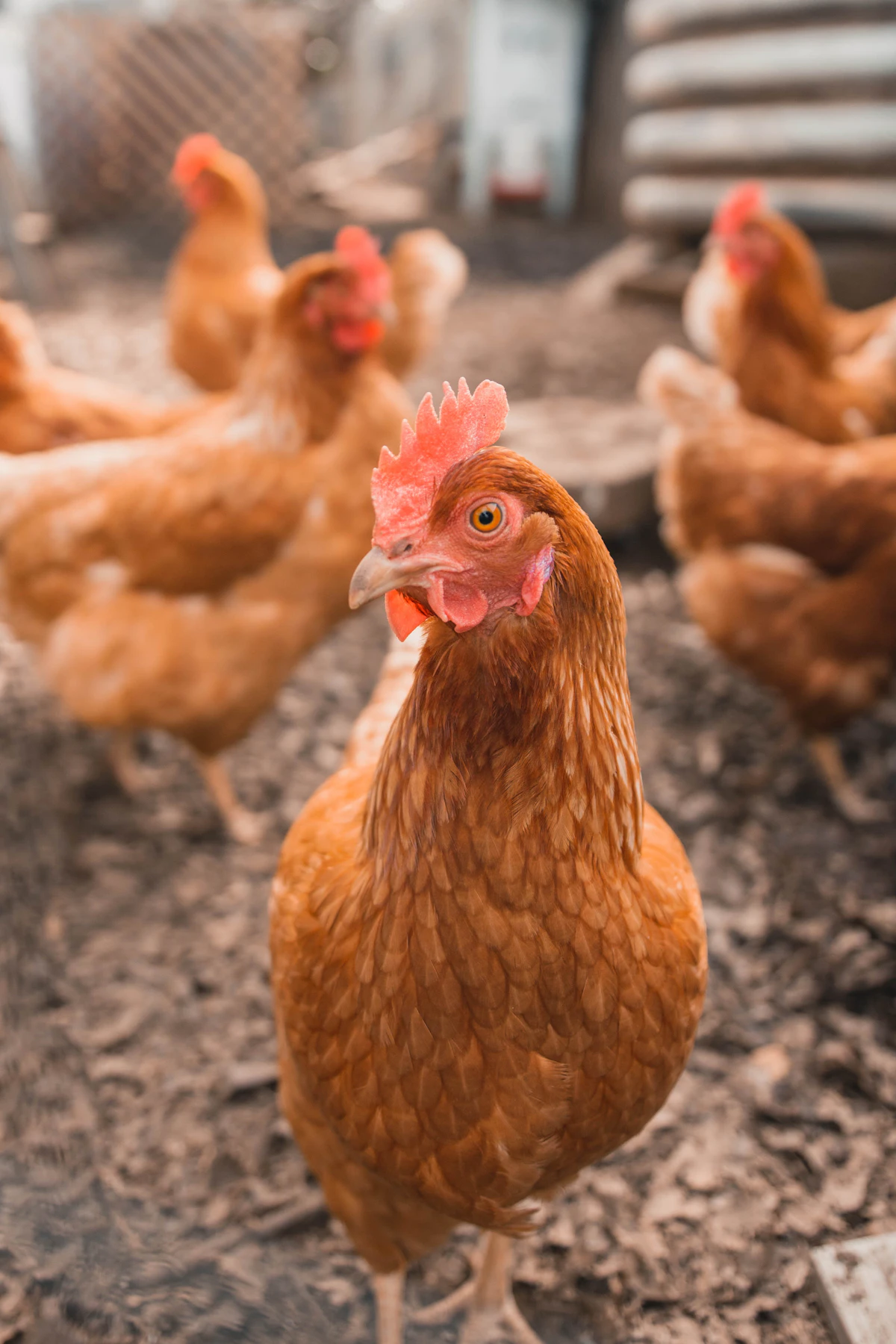
Rhode Island Reds are the workhorse of the backyard flock: hardy, calm, and laying around 250 brown eggs a year, and they handle both heat and cold well. Australorps are quiet, friendly, and prolific, with some hens laying over 300 eggs a year, and they are an excellent choice for families. Buff Orpingtons are gentle, fluffy, and cold-hardy, laying around 200 light brown eggs a year, though they do go broody more than most.
For white eggs, Leghorns are the most productive breed of all, laying 280 or more eggs a year, but they are flighty and nervous, and they suit experienced keepers better than beginners. Plymouth Rocks, also called Barred Rocks, are calm, hardy, and reliable layers of around 200 brown eggs a year, and they are a good all-rounder. For coloured eggs, Easter Eggers lay blue and green eggs and are friendly and hardy, which makes them a favourite with families and children.
Housing, Feed, and Daily Care
Six hens need a coop with at least 24 square feet of interior space and a run of at least 60 square feet, plus a nesting box for every three or four hens. The coop needs ventilation, protection from predators, and a dry floor with bedding such as pine shavings or straw. Predators are the biggest threat to a backyard flock: use hardware cloth, not chicken wire, bury it a foot underground around the run, and lock the coop every night.
Feed a quality layer feed with 16 percent protein and provide crushed oyster shell on the side for calcium, which keeps shells strong. Hens need 14 to 16 hours of light a day to lay well, so in winter their production drops naturally, and a small light on a timer in the coop can keep them laying. Provide clean water always, because a hen that runs out of water stops laying within a day. Daily care takes ten minutes: fresh water, feed, a quick check for eggs, and a look at each bird.
Common Beginner Mistakes
The most common mistake is buying too many birds too soon. Six hens give a family of two to four plenty of eggs, and a dozen hens will bury you in eggs and eat twice the feed. The second mistake is skimping on predator protection: a single raccoon or fox can wipe out a flock in one night. The third is feeding kitchen scraps as a main diet instead of a treat; scraps should be less than 10 percent of what they eat.
Expect your hens to start laying at 18 to 24 weeks, to lay best in their first two years, and to slow down after that. A hen can live eight years or more, but her productive life is shorter, and many keepers replace their flock every two to three years. Start with a good breed, give them a safe coop and decent feed, and your first flock will pay for itself in eggs within the first year.
More from SkyFree Living


