Best Chickens for Beginners: 8 Egg-Laying Breeds for a Small Homestead
- Primary Signal: Best Chickens for Beginners: 8 Egg-Laying Breeds for a Small Homestead
- Overview: Chickens are the easiest first livestock for any homestead, but the breed you choose decides how many eggs you get and how much trouble they cause. Here are eight beginner-friendly...
- Verification: Analyzed and compiled by SkyFree Living editorial monitoring desk.
Chickens are the perfect first livestock for a homestead. They are cheap to buy, easy to house, forgiving of beginner mistakes, and they pay you back daily in fresh eggs. A small flock of three to six hens can supply a family's eggs for most of the year, eat your kitchen scraps and garden waste, and produce manure that supercharges your compost. But not all chickens are equal. Some breeds lay 300 eggs a year and tolerate cold winters; others lay half that and go broody every spring. Some are calm and friendly with children; others are flighty, noisy, or prone to bullying. Choosing the right breed for your climate, your space, and your goals is the single most important decision in starting a backyard flock, and this guide covers the eight breeds that beginners consistently do best with.
What Makes a Good Beginner Breed
Four traits matter most when you are choosing your first chickens. Egg production comes first for most homesteaders: a good layer produces 250 to 300 eggs a year, while a poor layer might manage 150, and over a flock of six hens that difference is hundreds of eggs. Temperament comes second: calm, docile breeds are easier to handle, less likely to fly over fences, and safer around children, while flighty breeds stress easily and are harder to manage. Hardiness comes third: a breed that tolerates your winters matters far more than one that looks pretty, because a cold-sensitive chicken stops laying and can die in a hard freeze. And purpose matters too: dual-purpose breeds lay well and also grow large enough for meat, which suits homesteaders who want both, while dedicated layers are smaller and eat less feed.
8 Breeds That Do Well for Beginners
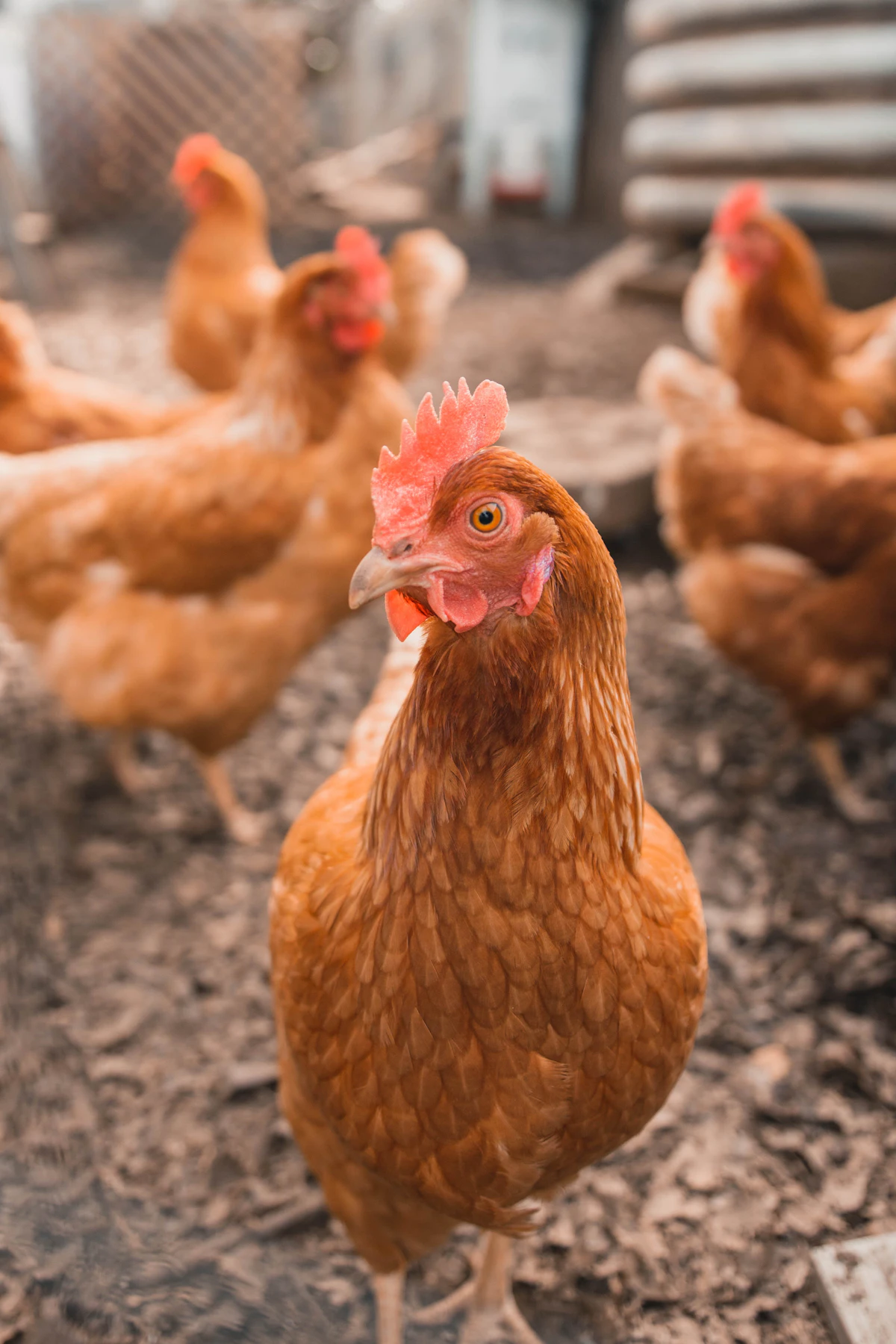
The Rhode Island Red is the classic homestead layer: 250 to 300 brown eggs a year, hardy in heat and cold, calm and confident, and a good dual-purpose bird. The Plymouth Barred Rock is nearly as productive, strikingly beautiful with its black-and-white bars, and famously friendly — many owners report theirs following them around the yard. The Buff Orpington is the gentlest breed on this list, a large golden hen that lays 200 to 280 light-brown eggs and goes broody often, which is useful if you want to hatch chicks naturally. The Australorp, an Australian breed, holds laying records — one hen laid 364 eggs in 365 days — and produces 250 to 300 eggs a year while staying calm and hardy. The Sussex, especially the Speckled Sussex, is curious, friendly, and a steady layer of 250 eggs, with beautiful speckled feathers.
Coop Basics for a Small Flock
A flock of three to six hens needs less space than most beginners think, but it does need the right setup. Inside the coop, allow 3 to 4 square feet per bird, with a roosting bar where they sleep — chickens prefer to roost high — and one nesting box for every three to four hens, filled with straw or shavings. Outside, allow 8 to 10 square feet per bird in a run, fenced to keep predators out and the chickens in. Ventilation matters more than insulation: a coop needs fresh air flow high up, away from the roosting birds, to prevent moisture and ammonia buildup, which cause respiratory disease. Predator-proofing is the most important job: use half-inch hardware cloth, not chicken wire, on every opening, because raccoons can reach through chicken wire and foxes can tear it; bury the wire 12 inches underground around the run to stop diggers; and lock the coop every night with a latch a raccoon cannot open.
Feed Costs and Egg Math
The economics of backyard chickens are better than most people expect. A laying hen eats about a quarter pound of feed a day, and a 50-pound bag of layer feed costs roughly 15 to 20 dollars, so six hens cost about 20 to 30 dollars a month to feed. Add a few dollars for oyster shell and grit, and the occasional bag of bedding, and the total running cost is around 25 to 35 dollars a month for a flock of six. In return, six good layers produce about 25 to 30 eggs a week — more than two dozen — which would cost 12 to 18 dollars a week at the store, or 50 to 70 dollars a month. The flock pays for its feed and then some, and the eggs are fresher and richer than store-bought ones, with deep orange yolks from a varied diet.
Frequently Asked Questions
Q: How many chickens should a beginner start with?
A: Three to six hens is ideal. That gives you a steady supply of eggs without overwhelming you, and chickens are social animals that do poorly alone — never keep just one.
Q: Do I need a rooster for hens to lay eggs?
A: No. Hens lay eggs without a rooster; a rooster is only needed if you want fertilized eggs to hatch chicks. Most beginners and suburban keepers skip the rooster.
Q: Why did my hens stop laying in winter?
A: Shorter days trigger a natural drop in laying, and cold weather and molting add to it. Adding a few hours of light in the coop can extend laying, but many keepers let hens rest through winter naturally.
More from SkyFree Living