Van Life Solar Setup Mistakes to Avoid

- Primary Signal: Van Life Solar Setup Mistakes to Avoid
- Overview: Most van solar failures come from guesswork sizing, thin wiring, shaded panels, or poor battery care. Avoid these four mistakes and your system will be safer and far more reliable....
- Verification: Analyzed and compiled by SkyFree Living editorial monitoring desk.
Van life solar looks simple on social media: a few panels on the roof, a battery under the bed, and endless free power. In reality, many first builds fail because of a handful of predictable mistakes that are easy to avoid if you know them in advance. Undersized wiring, mismatched components, poor panel placement, and unrealistic expectations about cloudy days cause most problems, and some of them, such as overheating batteries or loose connections, can be safety issues as well as inconveniences. Learning from other builders' mistakes is far cheaper than learning from your own, especially when your home is also your vehicle.
The first mistake is sizing by guesswork instead of by measurement. Many builders buy a popular kit without listing their loads, then discover they cannot run a fridge, laptop, and lights together for a full day. Before buying anything, list every device, its watts, and its hours of use per day, and calculate daily watt-hours honestly, including winter when days are shorter and you use lights longer. Size your battery for at least one full day of use, ideally more, and size your panels to replace that use on an average day in your travel region, not on a perfect summer day in a desert. A system sized for real use will feel reliable, while a system sized for a marketing photo will disappoint on the first cloudy week.
The second mistake is undersized wiring and missing fuses, which is both inefficient and dangerous. Solar and battery circuits carry high currents at low voltages, so thin wires heat up, lose power as voltage drop, and can melt insulation if overloaded. Use a wire size chart for your actual current and cable length, keep battery cables as short as practical, and fuse every positive wire close to the battery, with additional fuses for solar input and major loads as recommended by component manufacturers. Tighten all connections properly, check them after your first few trips, because vibration loosens terminals, and use proper crimps rather than twisted wires taped together. If electrical work is outside your experience, pay a qualified installer for this part, because a van fire is a far higher price than a professional check.
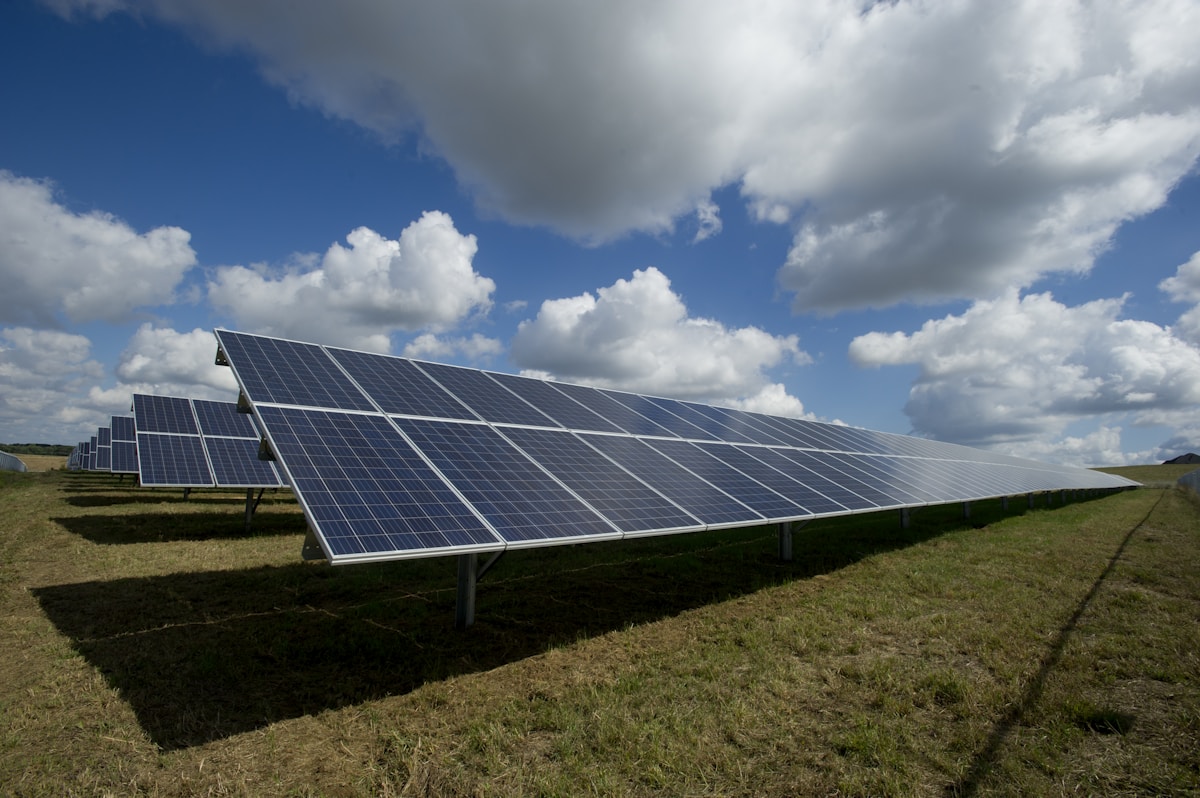
The third mistake is panel placement that ignores shade and mounting. Roof racks, vents, fans, and even a slightly tilted panel can shade a cell and disproportionately reduce output, especially with panels wired in series. Mount panels flat but with an air gap underneath for cooling, because hot panels produce less power, and avoid placing a roof fan or rack bar where it will shade a panel for hours each day. Use proper mounting feet sealed against leaks, with stainless hardware that resists corrosion, and route cables through a sealed roof gland rather than a drilled hole filled with sealant alone. Test the system for a week before a long trip, checking output at different times of day and in different weather.
The fourth mistake is battery location and care. Batteries should live in a ventilated, secure, temperature-stable spot, not loose under a bed where they slide, overheat, or get damaged by shifting cargo. Lithium batteries need a battery management system and a charge controller set to the correct chemistry, while lead-acid batteries need ventilation for gases and regular checks of connections and charge levels. Do not mix battery ages or types in one bank, do not discharge lead-acid deeply on a regular basis if you want it to last, and do not ignore a battery that swells, smells, or gets hot, because those are warning signs to stop using it and seek advice. A battery box, secured and ventilated, is a small investment that protects both your power and your safety.
Avoiding these four mistakes, sizing honestly, wiring and fusing correctly, mounting panels thoughtfully, and caring for batteries properly, covers most van solar failures. Add a simple monitor so you can see state of charge, solar input, and daily use, because a system you can see is a system you can manage. Start with a conservative design, test it in real conditions close to home, and expand only when you know your actual needs. Van solar done right is quiet, reliable, and liberating, and it stays that way when the basics are done well from the start.
📖 Continue Reading the Full Story
Continue reading this article on SkyFree Living.
⚡ Access Full Content NowMore from SkyFree Living


 💎 LuxeLiving 768
How Can an AI Receptionist Answer Your Salon Line Around the Clock?
Salon and wellness clients book at all hours — evenings, Sundays, and mid-appointment rushes. An AI voice rece...
 🛍️ Caylin Shop
How to Avoid Impulse Buying Viral Products: A Practical Guide
Viral products are designed to make you buy now and think later. Learn the tactics sellers use, and the simple...
 ✈️ SkyFree Club
What Is an AI Receptionist for Travel Agencies? A 2026 Guide
How AI voice receptionists give travel agencies 24/7 booking lines — answering trip inquiries, quoting package...
⚡ SkyFree Athletics
What Is an AI Receptionist for Gyms and Fitness Studios? A 2026 Guide
How AI voice receptionists give gyms 24/7 front-desk coverage — class bookings, membership inquiries, and tria...