Solar Panel Cleaning and Maintenance: Keep Your Off-Grid Power Strong
- Primary Signal: Solar Panel Cleaning and Maintenance: Keep Your Off-Grid Power Strong
- Overview: Solar panel cleaning and maintenance for off-grid homes: how often to clean by climate, how to clean safely without damaging panels, and the twice-yearly inspection that catches pr...
- Verification: Analyzed and compiled by SkyFree Living editorial monitoring desk.
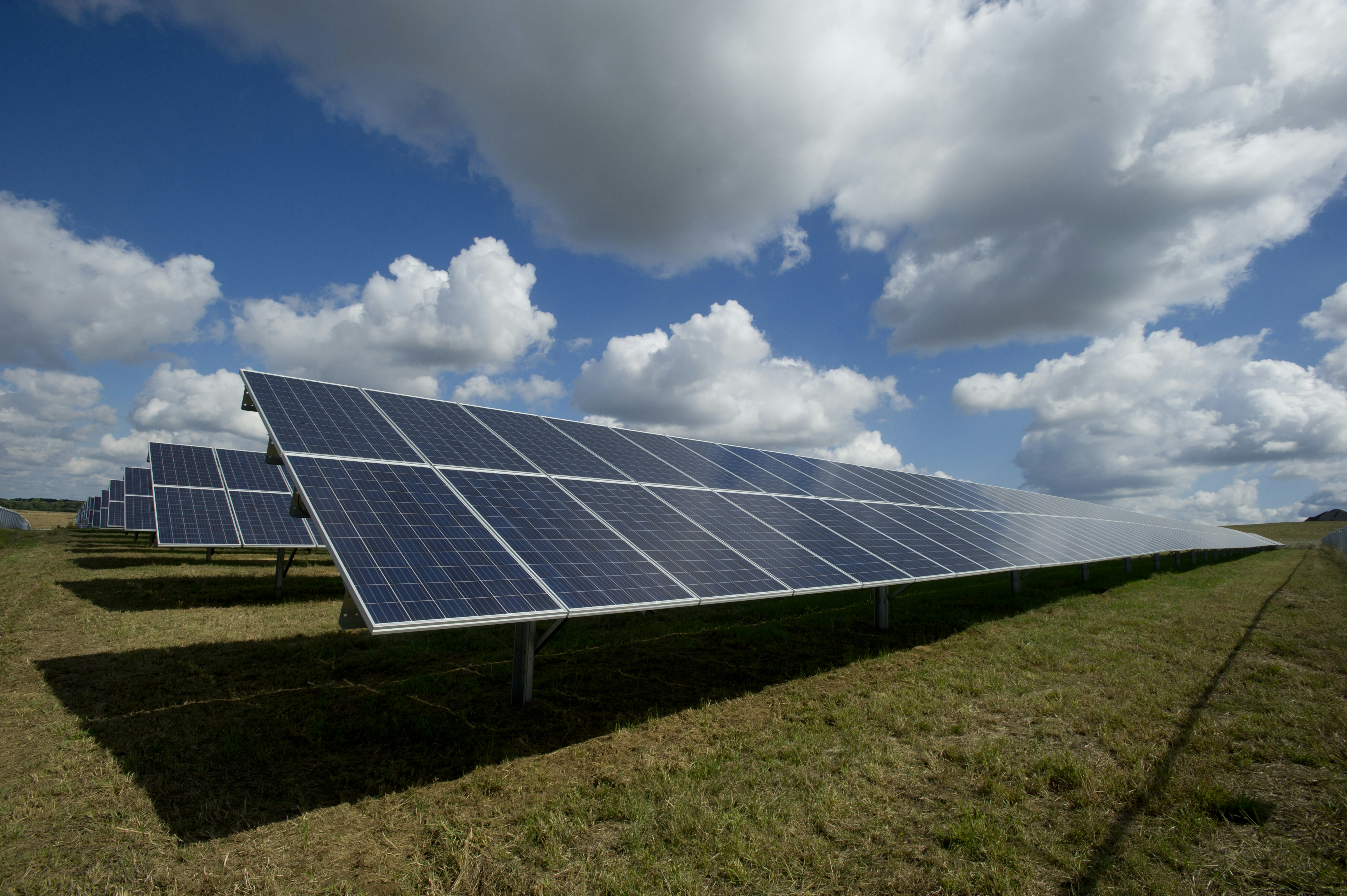
Solar panels lose output when they get dirty — dust, pollen, bird droppings, and soot can cut production by 5 to 25 percent, depending on your climate and how long the grime builds up. For an off-grid home, that lost power is not just a smaller bill: it is less energy in your batteries on the days you need it most. The good news is that panel cleaning and maintenance is simple, cheap, and mostly a matter of doing it regularly rather than perfectly.
How often you need to clean depends on where you live. In a rainy climate, rain does most of the work and one or two cleanings a year are enough. In a dusty, dry, or agricultural area, or near a busy road, clean every two to three months — and after any dust storm, wildfire smoke event, or heavy pollen season. The easiest check is your system's own data: if output on a clear sunny day is noticeably lower than the same month last year, your panels are probably dirty. Many off-grid owners clean on the same schedule as another routine task, like changing water filters, so it never gets forgotten.
Clean in the early morning or late evening, when panels are cool — cold water on a hot panel can crack the glass. Use plain water and a soft brush or sponge on an extension pole; never use abrasive pads, harsh chemicals, or a pressure washer, all of which can damage the anti-reflective coating. If your panels are on a roof, clean from the ground with a long pole or hire help rather than climbing onto a wet, sloped roof. For ground-mounted arrays, the job takes twenty minutes and a bucket of water. Rinse thoroughly and let them air dry — hard water can leave mineral spots, so if your tap water is very hard, use rainwater or deionised water for the final rinse.
Maintenance goes beyond cleaning. Twice a year, inspect the whole array: check for cracked glass, discoloured cells, loose mounting bolts, and chewed or UV-damaged wiring. Check that no new shade has appeared — a tree that grew into the array's sun path is a common silent output killer. Inspect the inverter for error codes and dust buildup, and check battery connections for corrosion if your system has a battery bank. Log your system's daily output once a season so you can spot slow degradation before it becomes a problem.
Call a professional for anything involving the roof structure, the electrical panel, or an inverter fault — those are not DIY jobs on a live system. But routine cleaning and visual inspection are firmly in the owner's domain, and they are the highest-return maintenance you can do: an hour or two a year protects thousands of dollars of equipment and keeps your off-grid power where it should be. Treat your panels like any other part of the home — a little regular attention, and they will quietly do their job for twenty-five years.
Cleaning keeps panels productive, but monitoring tells you when cleaning is needed — and catches bigger problems early. Most modern inverters include an app that shows daily, monthly, and lifetime production, and a sudden drop on a sunny day is the clearest signal that something changed: dirt, new shade, or a failing panel. Check the app weekly, not daily, to avoid obsessing over normal weather variation, and compare like with like — this month against the same month last year, not against midsummer. For systems without an inverter app, a simple clamp meter or a dedicated energy monitor on the solar circuit gives the same information for under $100. Set a personal alert threshold: if output drops more than 15 percent below the expected level for the season on clear days, inspect the array. Monitoring also builds a record that helps with warranty claims and resale: a documented production history proves the system was maintained and performs as expected. Clean panels are good, but monitored panels are better — you fix problems when they are small, not when the battery runs dry.
📖 Continue Reading the Full Story
Continue reading this article on SkyFree Living.
⚡ Access Full Content NowMore from SkyFree Living


 🎒 SkyFree Outfitters
How to Keep Your Sleeping Pad From Sliding on the Tent Floor
Waking up off your pad and halfway across the tent is miserable — here are proven fixes to keep your sleeping ...
 💎 LuxeLiving 768
Luxury Home Office Ideas for Executives in 2026
A luxury home office is about focus, comfort and presence on video calls. Design ideas for lighting, furniture...
 ✈️ SkyFree Club
What Is an AI Receptionist for Travel Agencies? A 2026 Guide
How AI voice receptionists give travel agencies 24/7 booking lines — answering trip inquiries, quoting package...
⚡ SkyFree Athletics
What Is an AI Receptionist for Gyms and Fitness Studios? A 2026 Guide
How AI voice receptionists give gyms 24/7 front-desk coverage — class bookings, membership inquiries, and tria...