Homestead Garden Planning: Your First Year
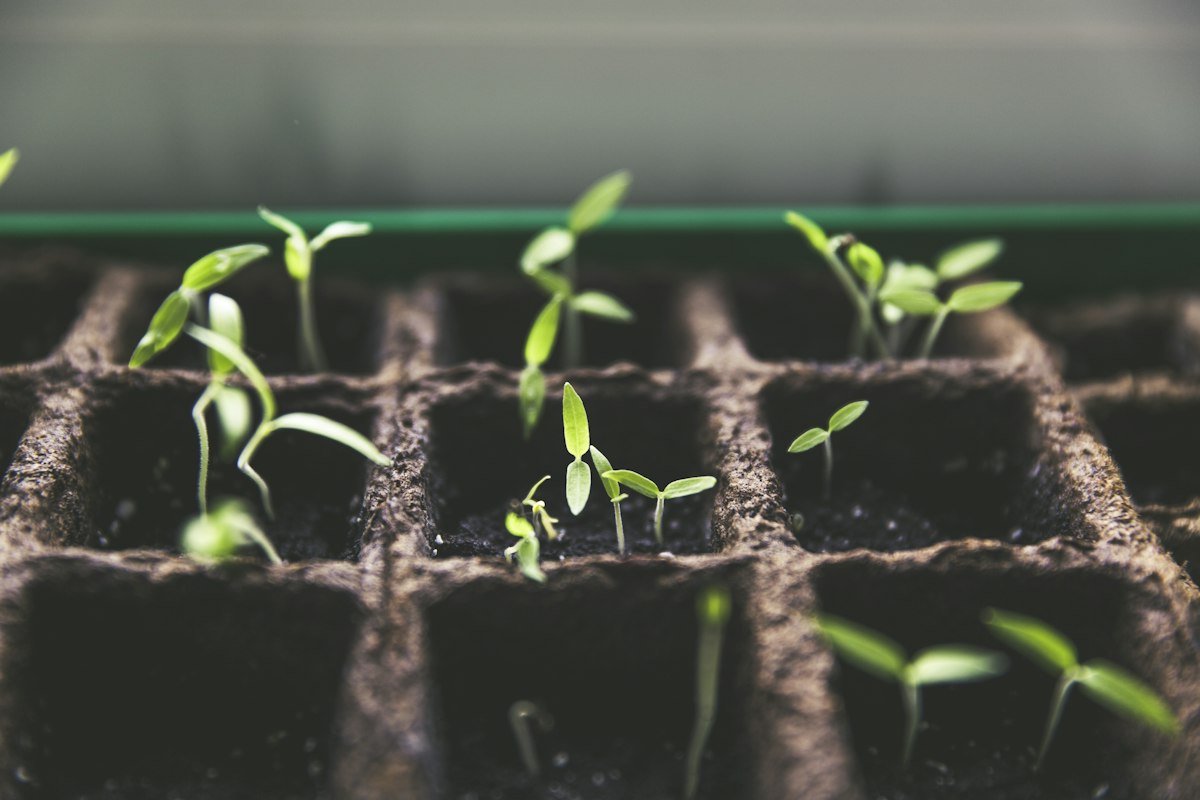
- Primary Signal: Homestead Garden Planning: Your First Year
- Overview: A first-year homestead garden should be modest, not maximal. Learn your site, build your soil, plant reliable crops in succession, and keep a journal that makes year two far better...
- Verification: Analyzed and compiled by SkyFree Living editorial monitoring desk.
The first year of a homestead garden teaches you more than any book can, because every garden is a conversation with its own soil, climate, and pests. Beginners often make the same mistake: planting too much, too soon, and spending the summer overwhelmed by weeds and gluts they cannot use. A successful first year is deliberately modest. Grow a handful of crops you actually eat, learn your site, and build soil and skills that will pay off for decades.
Begin by observing your site through the seasons if you can. Note where the sun falls, where water pools after rain, where wind hits hardest, and where shade creeps in the afternoon. Most vegetables need six to eight hours of direct sun, well-drained soil, and shelter from the worst wind. A small, sunny, accessible plot near your kitchen beats a large, distant one you rarely visit.
Soil is the foundation of everything. Before planting, dig in compost to feed soil life and improve structure, and consider a simple soil test to learn your pH and nutrient levels. Mulch bare soil with straw or leaves to suppress weeds, retain moisture, and feed the soil as it breaks down. Healthy soil grows healthy plants with fewer pests and less watering.
For planting, choose reliable, forgiving crops: salad leaves, radishes, beans, zucchini, tomatoes, potatoes, and herbs such as basil and mint (mint in a pot, or it will take over). Plant in succession — a new row of salad every two or three weeks — rather than everything at once, so that harvests arrive steadily. Keep a simple garden journal: what you planted, when, what thrived, and what failed.
Water deeply and less often, rather than lightly every day, to encourage deep roots; morning watering reduces disease and evaporation. Learn your local frost dates and use them to time planting. Plan the year in broad strokes: spring for soil preparation, summer for growth and harvest, autumn for composting and overwintering crops, winter for planning. A first-year garden is judged by what it taught you, not by its yield.
Two skills repay a first-year gardener more than any others: composting and crop rotation. A simple compost heap, built from kitchen scraps, garden waste, and leaves, turns waste into the rich organic matter your soil craves, and it costs nothing but a little space and patience. Keep the heap moist, turn it occasionally, and balance green nitrogen-rich materials with brown carbon-rich ones; within months you will have dark, crumbly compost to dig into beds. Crop rotation, even a simple version, prevents soil exhaustion and pest build-up: avoid planting the same family, such as tomatoes and potatoes, in the same bed year after year, and follow heavy feeders with lighter crops or a soil-building cover crop. Saving seed from your best plants is a satisfying next step, though beginners should start with easy self-pollinating crops like beans, peas, and tomatoes. Finally, preserve the harvest: freeze, dry, or pickle gluts rather than letting them rot, and you will taste your first garden all winter. These skills compound year after year, which is why the modest first garden matters so much.
📖 Continue Reading the Full Story
Continue reading this article on SkyFree Living.
⚡ Access Full Content NowMore from SkyFree Living



 💎 LuxeLiving 768
Deep-Dive Audit: Palworld Breeding Calculator — Parents, Combos & Paths (Day 4 Guide)
Mastering performance metrics with the Palworld Breeding Calculator — Parents, Combos & Paths on LuxeLiving 76...
 ✈️ SkyFree Club
Strategic Blueprint: Palworld Breeding Calculator — Parents, Combos & Paths (Day 6 Guide)
Unlocking high-yield efficiency through Palworld Breeding Calculator — Parents, Combos & Paths on SkyFree Club...
⚡ SkyFree Athletics
Performance Benchmark: Palworld Breeding Calculator — Parents, Combos & Paths (Day 7 Guide)
Understanding real-world data from the Palworld Breeding Calculator — Parents, Combos & Paths on SkyFree Athle...
🖋️ SkyFree Chronicles
Decision-Making Framework: Palworld Breeding Calculator — Parents, Combos & Paths (Day 28 Guide)
How data from our Palworld Breeding Calculator — Parents, Combos & Paths on SkyFree Chronicles. Discover essen...