Tiny Home Kitchen Layout: Small-Space Ideas That Actually Work
- Primary Signal: Tiny Home Kitchen Layout: Small-Space Ideas That Actually Work
- Overview: A tiny kitchen works when it is designed around real cooking habits, not shrunk from a large kitchen. Learn galley and single-wall layouts, double-duty surfaces, and vertical stora...
- Verification: Analyzed and compiled by SkyFree Living editorial monitoring desk.
A tiny home kitchen fails not because it is small, but because it is planned like a shrunken version of a large kitchen, with the same layout and the same assumptions. In a tiny home, every centimetre must earn its place, and the layout must support cooking, cleaning, storage, and movement in a space where two people cannot easily pass each other. The good news is that small kitchens can be superbly efficient when you design around how you actually cook, rather than how a showroom kitchen looks. Start with your real habits, then choose a layout that fits them.
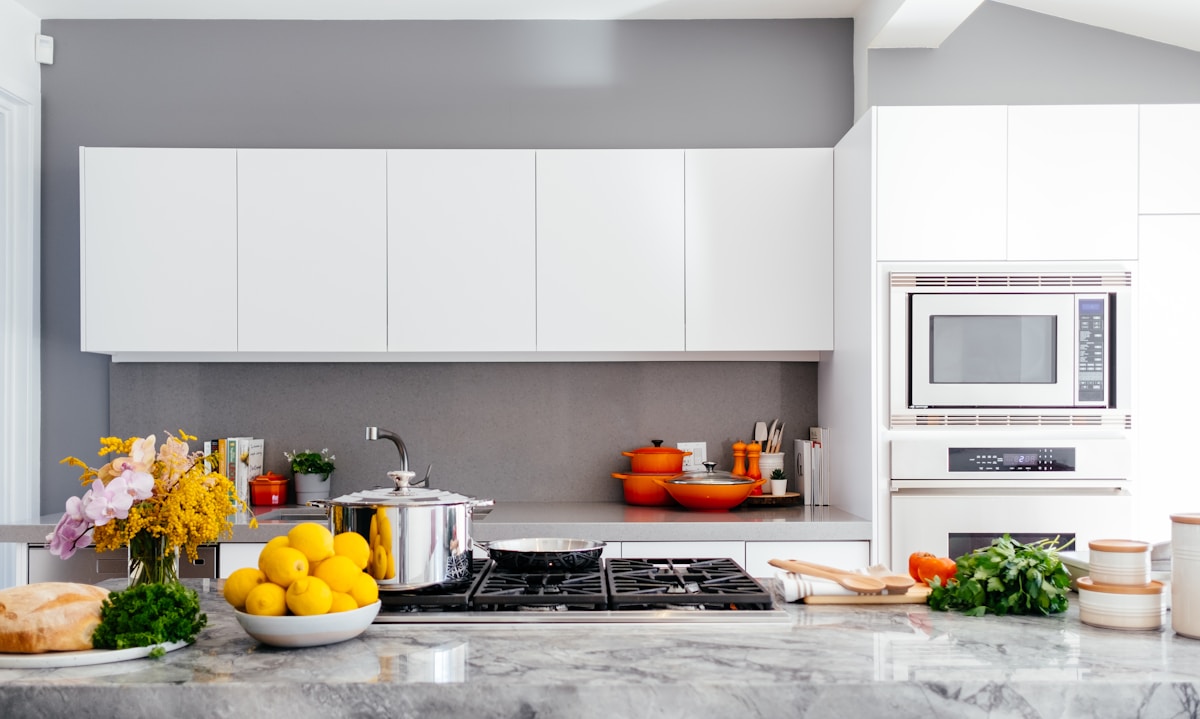
The most workable tiny kitchen layouts are usually galley or single-wall designs. A galley, with counters on two facing walls, gives you a compact work triangle and keeps everything within arm's reach, but it needs at least about 110 centimetres of clear aisle to avoid feeling cramped. A single-wall kitchen, with all appliances and counters along one wall, opens the rest of the room and works well in very narrow homes, but it requires disciplined storage because there is nowhere else to put overflow. An L-shape can work in a wider tiny home, giving you a corner for a small table, but corners waste space unless you use pull-outs or a carousel. Sketch your layout to scale, including door swings and appliance depths, before you build anything.
Counter space is the scarcest resource in a tiny kitchen, so make surfaces work twice. A sink cover becomes extra prep space, a fold-down table becomes a dining spot or an extra counter, and a rolling cart can move where you need it and tuck away when you do not. Choose a compact sink, ideally a single bowl, because a double bowl eats counter space for little benefit in a small home. Use a two-burner induction hob instead of a full range if you rarely cook large meals, and consider a combination oven-microwave to replace two appliances. Keep only daily tools on the counter, such as a knife block or a coffee maker, and store everything else away.
Storage in a tiny kitchen goes up, not out. Use full-height cabinets, open shelves for daily dishes, magnetic strips for knives, and hooks inside cabinet doors for measuring cups and cleaning supplies. Pull-out pantry units, even narrow ones of fifteen centimetres, hold far more than a deep cabinet where items vanish at the back. Label bins and keep like items together, so you can find things without unpacking half the kitchen. A simple rule helps: if you have not used a kitchen tool in six months, store it elsewhere or let it go, because in a tiny home, unused items are not just clutter, they are stolen counter and storage space.
Light, ventilation, and power make a small kitchen feel larger and work better. A window over the sink brings daylight and a view, while under-cabinet lighting eliminates shadows on work surfaces without taking space. A good range hood or vent fan is essential in a tiny home, because cooking smells and moisture spread quickly to sleeping and living areas. Plan enough outlets for the appliances you actually use, including one for a small appliance charging spot, and avoid overloading circuits in a home where electrical capacity may be limited. Light colours, reflective surfaces, and open shelving on one wall can also make the space feel less enclosed.
The best tiny kitchen test is a real cooking session in the finished layout, or in a taped-out version on the floor before you build. Cook a normal meal, wash up, and notice where you bump, reach, or run out of space, then adjust before the layout is fixed. A tiny kitchen that supports your actual cooking, with a clear work triangle, disciplined storage, and surfaces that multitask, will feel generous rather than cramped. Small does not have to mean compromised, it just means every decision matters more.
📖 Continue Reading the Full Story
Continue reading this article on SkyFree Living.
⚡ Access Full Content NowMore from SkyFree Living



 💎 LuxeLiving 768
Luxury Home Office Ideas for Executives in 2026
A luxury home office is about focus, comfort and presence on video calls. Design ideas for lighting, furniture...
⚡ SkyFree Athletics
How to Start Working Out at Home Without Equipment for Beginners
A complete beginner's guide to building your first no-equipment home workout routine — the right movements, a ...
 🖋️ SkyFree Chronicles
After-Hours Answering for Bookshops: What Actually Works in 2026?
Evening and weekend callers are often your most motivated buyers. An honest comparison of after-hours answerin...
 🎒 SkyFree Outfitters
What After-Hours Answering Actually Works for Outdoor Retailers?
Trip prep happens at night. An honest comparison of after-hours answering options for outdoor-gear shops and o...