Tiny Home Heating in Winter: Stay Warm Without Wasting Power
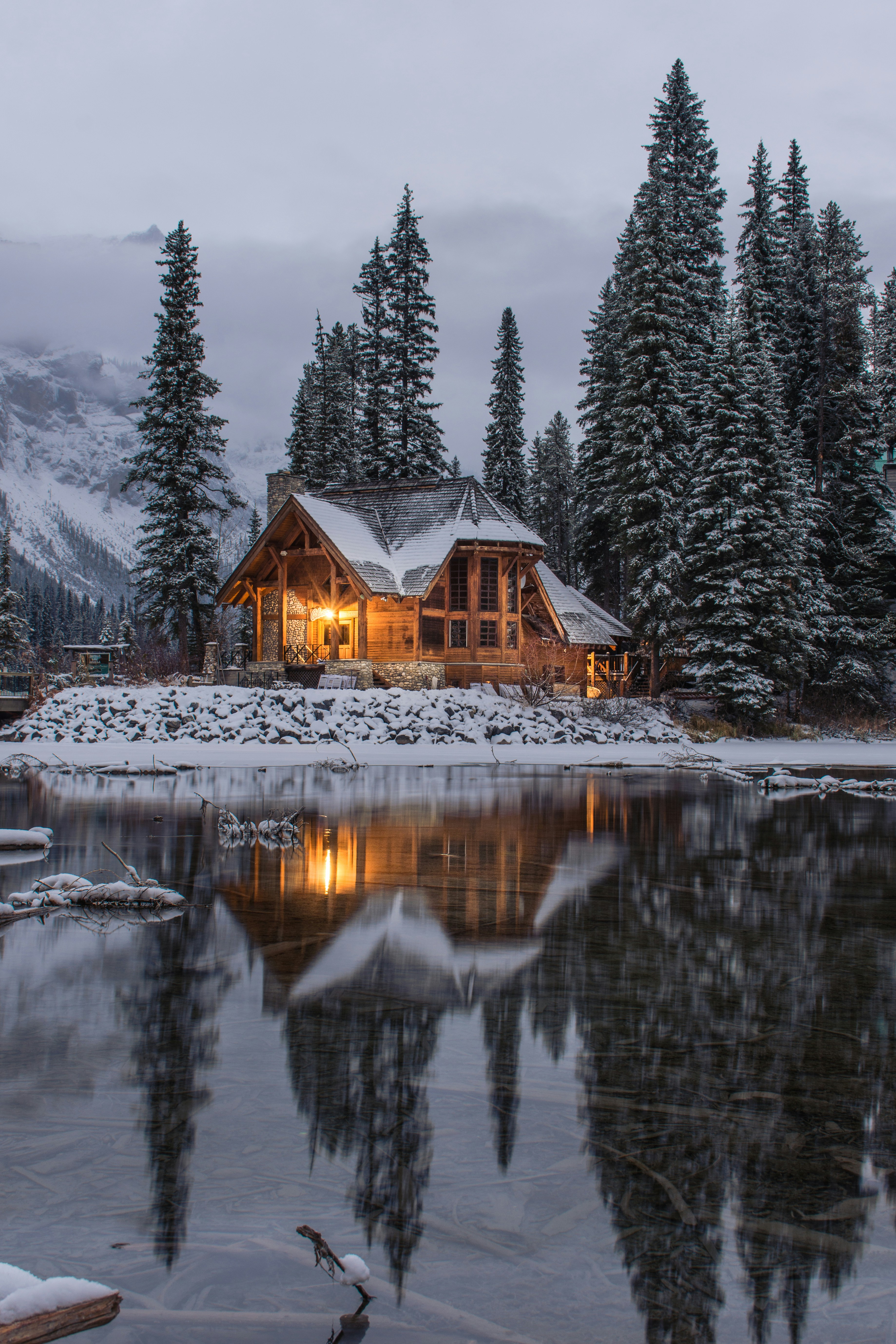
- Primary Signal: Tiny Home Heating in Winter: Stay Warm Without Wasting Power
- Overview: Tiny home heating in winter: fix insulation and air leaks first, compare heat pumps, diesel heaters, wood stoves, and electric heat, and beat condensation — the hidden enemy of sma...
- Verification: Analyzed and compiled by SkyFree Living editorial monitoring desk.
Heating a tiny home in winter is a different problem from heating a house. The space is small, so it warms fast — but it also cools fast, because there is little thermal mass and a high surface-area-to-volume ratio. Insulation is often thinner than in a conventional home, and a single heat source can overshoot the temperature in minutes. The goal is not maximum heat. It is steady, efficient warmth that does not eat your power budget or fill the space with condensation.
Before choosing a heater, fix the envelope. Air leaks around doors, windows, and roof joints lose more heat than thin walls do, so seal them with weatherstripping and caulk first — a $50 afternoon of sealing can cut heating needs noticeably. Skirting around the base of a tiny home on wheels blocks wind from stealing heat from underneath, and it is the single most overlooked winter upgrade. If you are building, closed-cell spray foam gives the best insulation per inch in thin walls, which matters when every inch counts.
For the heater itself, four options dominate tiny homes. A mini-split heat pump is the most efficient choice, delivering two to three times more heat per unit of electricity than a resistance heater, and it cools in summer too — but it needs a solid power supply and costs $1,000 to $2,500 installed. A diesel air heater, popular in vans and tiny homes, costs $150 to $300, sips fuel, and runs on 12V power, but needs a safe exhaust installation. A small wood stove gives unmatched cosiness and works without power, but needs clearances, a chimney, and constant tending. Electric resistance heaters are cheap and simple, but they are power-hungry and only make sense if you have grid power or a large solar array.
The hidden enemy of winter tiny-home living is condensation, not cold. Warm, moist indoor air hits cold walls and windows and condenses, feeding mould behind furniture and in corners. Fight it with ventilation: a small heat-recovery ventilator, or simply cracking a window and running a vent fan while cooking and showering. Keep furniture a few centimetres off exterior walls so air can circulate, and wipe windows on cold mornings before moisture soaks into frames. A dry tiny home at 18 degrees feels warmer than a damp one at 21.
Build a winter routine around your heater's strengths. Run the heat pump or diesel heater steadily at a moderate temperature rather than blasting it in bursts — tiny homes overshoot fast, and steady heat uses less energy overall. Use a programmable thermostat, or a simple timer, to warm the home before you wake up and let it coast overnight under a good duvet. Keep a backup heat source for power outages, even if it is just a rated propane heater used with ventilation and a carbon monoxide alarm. Winter in a tiny home is genuinely comfortable — as long as the heat, the insulation, and the moisture are all managed together.
Heating a tiny home on wheels differs from heating one on a permanent foundation, and the difference matters in winter. A home on wheels sits above open air, so cold wind strips heat from the floor — skirting is not optional, it is the most important winter upgrade, and insulated skirting beats plywood alone. Pipes underneath are exposed and freeze first, so heat tape and insulation on all exterior plumbing are essential, and many wheeled owners add a small heater in the under-floor compartment on the coldest nights. A home on a foundation has the earth's thermal mass working for it: the floor stays warmer, pipes can be buried below the frost line, and insulation can be thicker without worrying about road weight limits. Wheeled homes compensate with mobility — you can move to a milder climate or a sheltered spot, which no foundation home can do. Whichever you own, winterise before the first frost, not after: frozen pipes and a cold home are miserable to fix in January, and entirely preventable in October.
📖 Continue Reading the Full Story
Continue reading this article on SkyFree Living.
⚡ Access Full Content NowMore from SkyFree Living


 ⚡ SkyFree Athletics
How to Start Working Out at Home Without Equipment for Beginners
A complete beginner's guide to building your first no-equipment home workout routine — the right movements, a ...
 💎 LuxeLiving 768
Luxury Home Office Ideas for Executives in 2026
A luxury home office is about focus, comfort and presence on video calls. Design ideas for lighting, furniture...
 ✈️ SkyFree Club
Best Cheap Destinations in Europe for Solo Travelers in Winter
Five affordable European cities that stay welcoming, walkable, and lively through winter — judged on safety, d...
🖋️ SkyFree Chronicles
How to Write Your First Novel Without a Writing Degree
No MFA? No problem. A practical path to writing your first novel through self-directed reading, a daily writin...