Off-Grid Solar System Sizing for a Small Cabin
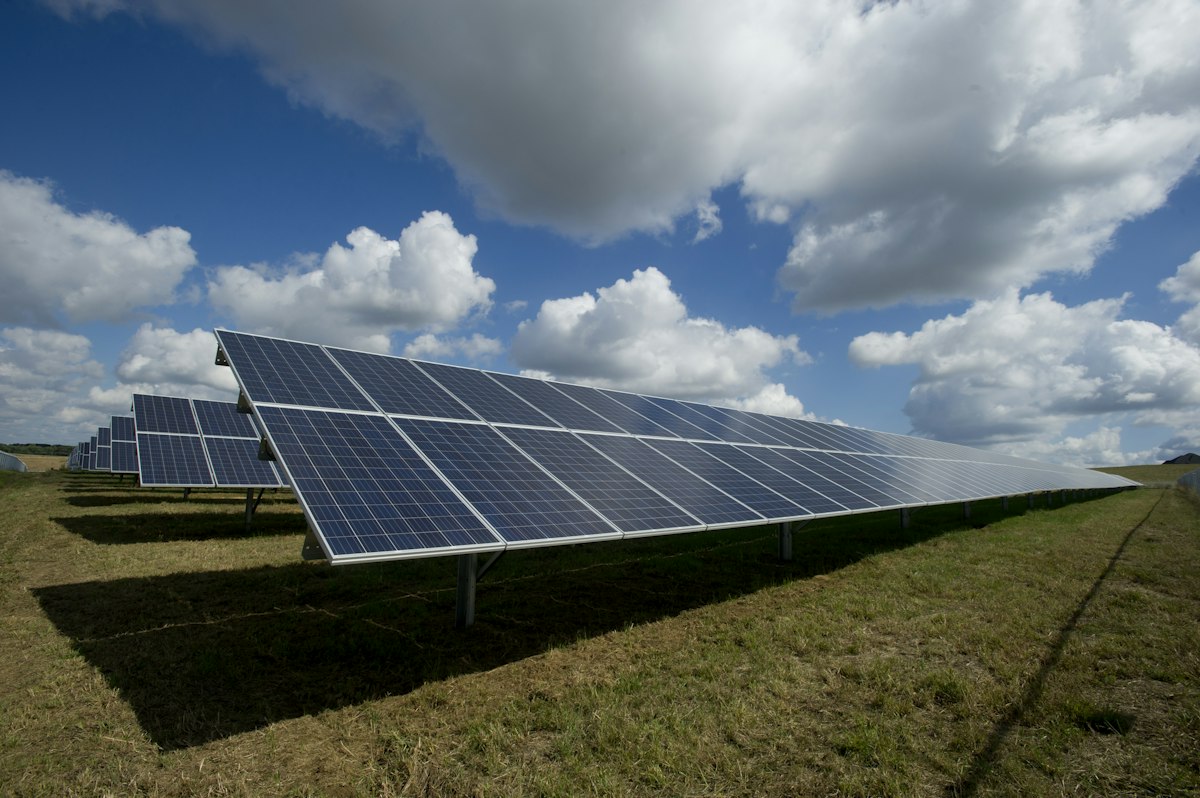
- Primary Signal: Off-Grid Solar System Sizing for a Small Cabin
- Overview: Size an off-grid cabin solar system the right way: audit your loads first, then size panels, batteries, and inverter from that daily total — and always design for winter, not summe...
- Verification: Analyzed and compiled by SkyFree Living editorial monitoring desk.
The most common mistake in off-grid solar sizing is buying panels first and figuring out loads later. Begin by listing every electrical device in the cabin, its wattage, and roughly how many hours per day it runs. Multiply watts by hours to get watt-hours, and add them up. That daily total is the single most important number in your whole design.
Be honest in this audit, and measure where you can. A plug-in energy meter costs little and reveals the real consumption of a fridge or a laptop charger, which often differs from the label. Add a margin of about twenty percent for growth and cloudy days, but resist the urge to double everything just in case — oversizing wastes money that is better spent on batteries or a backup generator.
Once you know your daily watt-hours, size the solar array. Divide your daily need by the peak sun hours for your location. A cabin needing 2,000 watt-hours per day in a location with four peak sun hours needs roughly 500 watts of panels before losses; after accounting for system losses of twenty to thirty percent, a 700 to 800-watt array is a sensible target. Check your area's winter figures, not just the summer average.
Batteries are sized from the same daily total. Decide how many days of autonomy you want — how long the system should run with no sun — and multiply your daily use by that number. Two days is a common choice for a weekend cabin, while a full-time home may want three or more. Size the inverter to handle your largest simultaneous loads, with headroom for motor startup surges.
Watch for three classic errors: ignoring winter, forgetting phantom loads from devices on standby, and skipping a charge controller matched to your array. If the maths feels daunting, start with a small kit system from a reputable supplier and expand it later, or ask a solar installer to review your load audit before you buy. Check local rules too: some areas require permits for permanent installations.
📖 Continue Reading the Full Story
Continue reading this article on SkyFree Living.
⚡ Access Full Content NowMore from SkyFree Living



 🎒 SkyFree Outfitters
Cold Weather Camping Sleep System Guide
Staying warm on a freezing night is a system, not a single purchase: bag, pad, and camp habits working togethe...
 💎 LuxeLiving 768
Deep-Dive Audit: Palworld Breeding Calculator — Parents, Combos & Paths (Day 4 Guide)
Mastering performance metrics with the Palworld Breeding Calculator — Parents, Combos & Paths on LuxeLiving 76...
 ✈️ SkyFree Club
Strategic Blueprint: Palworld Breeding Calculator — Parents, Combos & Paths (Day 6 Guide)
Unlocking high-yield efficiency through Palworld Breeding Calculator — Parents, Combos & Paths on SkyFree Club...
⚡ SkyFree Athletics
Performance Benchmark: Palworld Breeding Calculator — Parents, Combos & Paths (Day 7 Guide)
Understanding real-world data from the Palworld Breeding Calculator — Parents, Combos & Paths on SkyFree Athle...