How to Store Food Without a Fridge Off-Grid
- Primary Signal: How to Store Food Without a Fridge Off-Grid
- Overview: People stored food for centuries before refrigeration. Learn cool storage, evaporative cooling, drying, canning, and fermentation — and which foods actually need the cold....
- Verification: Analyzed and compiled by SkyFree Living editorial monitoring desk.
For most of human history, food was stored without refrigeration, and the techniques that made it possible are still practical today. Off-grid households may have a small solar fridge, but power is precious, and knowing how to keep food safe without one adds resilience, saves energy, and connects you to traditional food skills. The principles are simple: control temperature, moisture, air, and microbes.
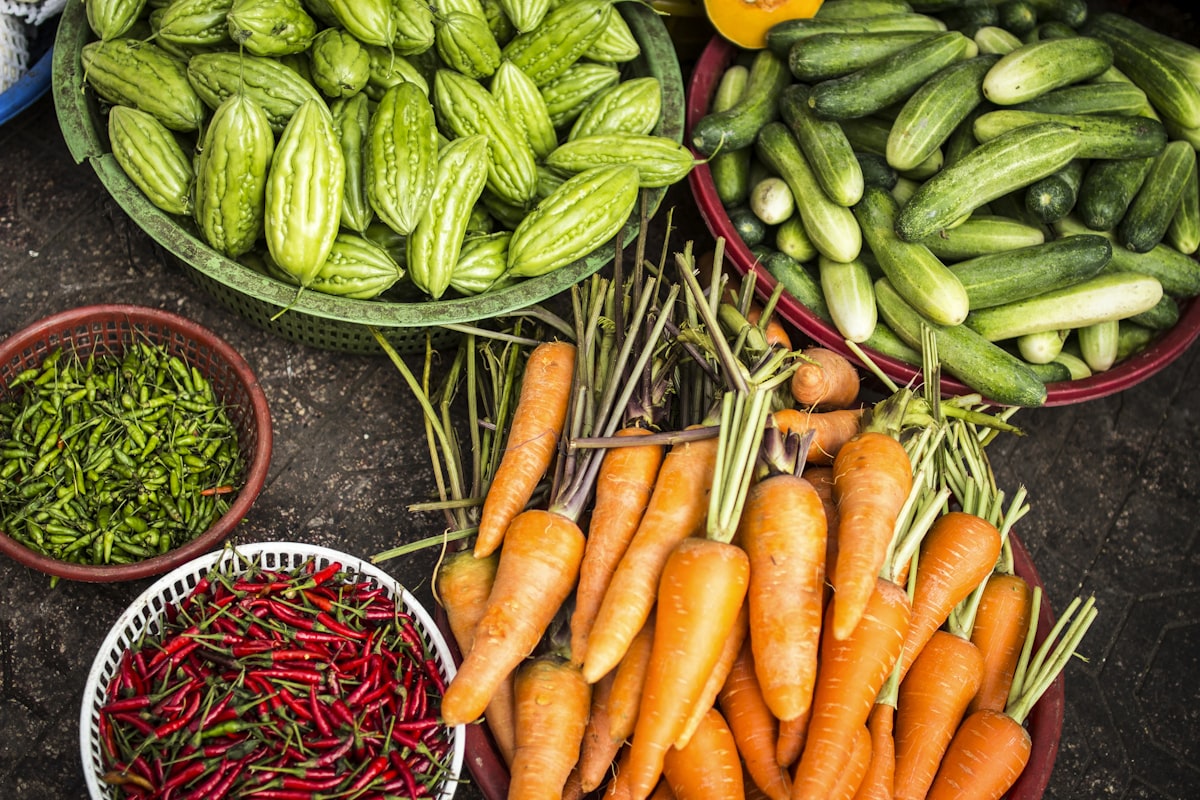
The first step is understanding what actually needs cold storage. Fresh meat, dairy, and cooked leftovers are the most perishable and the most risky; they need either prompt eating, proper preservation, or reliable refrigeration. Many other foods — root vegetables, onions, garlic, hard cheeses, eggs, bread, and most fruits — keep well at cool room temperature if stored correctly.
A root cellar is the gold standard: a cool, dark, humid, underground space where root vegetables, apples, cabbages, and preserves keep for months. Even without a purpose-built cellar, a cool corner of a basement, an unheated outbuilding, or a buried insulated box can serve the same purpose. Keep ethylene-producing fruits like apples away from ethylene-sensitive vegetables like potatoes and onions.
Evaporative cooling offers another option in dry climates. A zeer pot — one unglazed clay pot nested inside a larger one, with wet sand between them — cools its contents by several degrees through evaporation, enough to extend the life of vegetables, dairy, and drinks for days. A simple shaded, ventilated pantry with good airflow also outperforms a warm kitchen cupboard.
For longer storage, traditional preservation methods are more reliable than improvised cooling. Drying removes the moisture microbes need; canning, done with tested recipes and proper equipment, preserves vegetables, fruits, and sauces safely for a year or more; fermentation preserves through beneficial microbes. Label everything with contents and date, use the oldest stores first, and discard anything that smells off or has a damaged seal.
Organising stored food well prevents waste and makes the whole system easier to live with. Use clear, labelled, airtight containers that keep out insects and rodents, and store them in a cool, dark place away from heat sources such as stoves and sunny windows. Practise first-in, first-out rotation: place new supplies behind older ones so nothing lingers forgotten at the back of a shelf, and label every jar and bag with its contents and the date it was stored. A simple inventory list on the pantry door, updated when you add or finish something, saves money by preventing duplicate purchases and saves food by reminding you what needs using. Check stores regularly for damaged packaging, off smells, or signs of pests, and deal with problems immediately rather than hoping they resolve themselves. Keep preserved foods and fresh stores separate, since moisture and strong smells travel, and remember that even well-stored food has limits: dried goods lose flavour over time, oils go rancid, and canned goods should be used within their recommended period. Good organisation turns food storage from a chore into a quiet, satisfying routine.
📖 Continue Reading the Full Story
Continue reading this article on SkyFree Living.
⚡ Access Full Content NowMore from SkyFree Living



 💎 LuxeLiving 768
Deep-Dive Audit: Palworld Breeding Calculator — Parents, Combos & Paths (Day 4 Guide)
Mastering performance metrics with the Palworld Breeding Calculator — Parents, Combos & Paths on LuxeLiving 76...
 ✈️ SkyFree Club
Strategic Blueprint: Palworld Breeding Calculator — Parents, Combos & Paths (Day 6 Guide)
Unlocking high-yield efficiency through Palworld Breeding Calculator — Parents, Combos & Paths on SkyFree Club...
⚡ SkyFree Athletics
Performance Benchmark: Palworld Breeding Calculator — Parents, Combos & Paths (Day 7 Guide)
Understanding real-world data from the Palworld Breeding Calculator — Parents, Combos & Paths on SkyFree Athle...
🖋️ SkyFree Chronicles
Decision-Making Framework: Palworld Breeding Calculator — Parents, Combos & Paths (Day 28 Guide)
How data from our Palworld Breeding Calculator — Parents, Combos & Paths on SkyFree Chronicles. Discover essen...