Growing Vegetables in Raised Beds: Your First Garden, Step by Step
- Primary Signal: Growing Vegetables in Raised Beds: Your First Garden, Step by Step
- Overview: Raised beds give beginners control over soil, drainage, and weeds, making a first vegetable garden far more forgiving. Build, fill, plant, and maintain your first beds step by step...
- Verification: Analyzed and compiled by SkyFree Living editorial monitoring desk.
Raised beds are the most forgiving way to start a vegetable garden, because they solve the two problems that frustrate beginners most: poor soil and poor drainage. Instead of fighting compacted, weedy, or rocky ground, you build a contained bed, fill it with good soil, and plant into a space you control. Raised beds also warm up earlier in spring, are easier to reach without bending far, and make it simple to keep paths clear and weeds down. A first garden does not need to be large, it needs to be manageable, and one or two well-built beds will teach you more than a sprawling plot you cannot maintain.
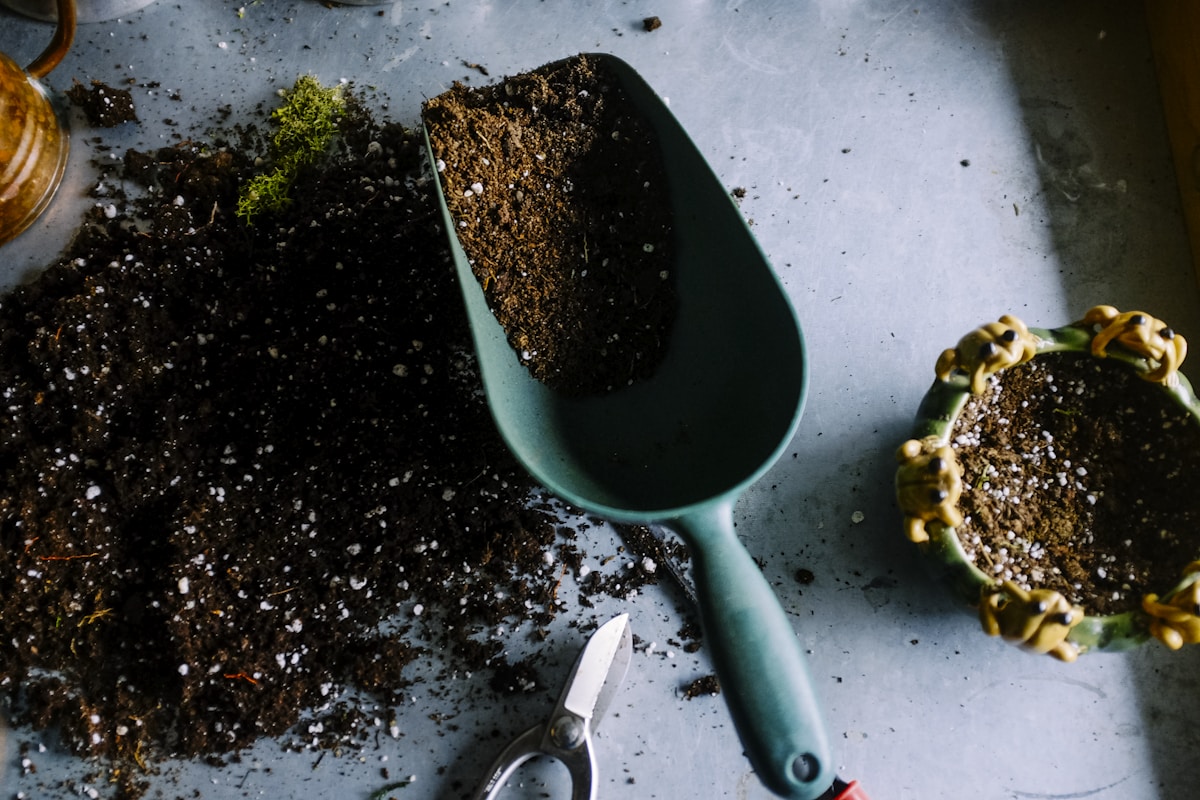
Start with one or two beds, each about 1.2 metres wide and 2.4 metres long, so you can reach the centre from either side without stepping on the soil. A height of 25 to 30 centimetres is enough for most vegetables, while 45 centimetres is more comfortable if bending is difficult. Build from untreated timber, bricks, or metal, avoiding treated wood that may leach chemicals into food-growing soil. Place beds in the sunniest spot available, ideally six or more hours of direct sun, with easy access to water, and level the ground first. Fill with a mix of topsoil and compost, roughly sixty percent soil to forty percent compost, water it well, and let it settle for a few days before planting.
Choose vegetables that are forgiving for beginners and that you actually like to eat. Lettuce, radishes, beans, zucchini, tomatoes, peppers, and herbs such as basil and mint are good first choices, because they germinate reliably, grow quickly, and reward attention visibly. Start with seedlings for tomatoes and peppers if your season is short, and direct-sow beans, lettuce, and radishes, which dislike transplanting. Read seed packets for spacing, because overcrowding is a common beginner mistake that leads to small plants and disease. Plant a little of several things rather than a lot of one thing, so you learn what grows well in your soil and climate without risking the whole garden on one crop.
Water deeply and less often, rather than lightly every day, so roots grow downward and plants become more resilient. Water at soil level in the morning when possible, to reduce leaf disease, and check moisture by pushing a finger a few centimetres into the soil: if it feels dry, water, and if it feels damp, wait. Mulch with straw, shredded leaves, or untreated wood chips to retain moisture, suppress weeds, and keep soil temperature stable, leaving a small gap around stems to prevent rot. Feed lightly with compost or a balanced organic fertiliser according to packet guidance, because overfeeding, especially with nitrogen, produces lush leaves but little fruit. Watch for pests daily, hand-pick larger ones, and use barriers such as netting for birds and cabbage moths before resorting to sprays.
Plan for succession so your beds keep producing rather than going empty after one harvest. When lettuce or radishes finish, replace them with beans or a second sowing of salad leaves, and when summer crops fade, plant autumn greens, garlic, or broad beans depending on your climate. Keep a simple garden journal noting what you planted, when, and how it performed, because that record becomes your personal guide for next year and saves you from repeating mistakes. Rotate crops between beds where possible, avoiding planting the same family, such as tomatoes and potatoes, in the same bed year after year, to reduce soil-borne disease. At season's end, clear spent plants, add a layer of compost, and cover beds with mulch or a cover crop to protect the soil over winter.
Your first garden will teach you more by doing than by reading, so start small, observe daily, and accept that some plants will fail while others surprise you. Celebrate the first salad you pick, the first tomato you eat warm from the vine, and the first bed you fill again for a second crop. Those small successes build the confidence and knowledge that turn a beginner into a gardener, and they all start with a raised bed, good soil, and a handful of seeds planted at the right time.
📖 Continue Reading the Full Story
Continue reading this article on SkyFree Living.
⚡ Access Full Content NowMore from SkyFree Living



 💎 LuxeLiving 768
Supercar Track Day Beginner Guide: Your First Day on Circuit, Step by Step
A track day is the best way to learn what your supercar can really do. This beginner guide covers preparation,...
 📦 Free2Rich Vault
The Pay Yourself First Budgeting Method: A Step-by-Step Guide for Beginners
The pay yourself first method flips the usual budgeting order: savings leave your account on payday, and you b...
🖋️ SkyFree Chronicles
How to Write Your First Novel Without a Writing Degree
No MFA? No problem. A practical path to writing your first novel through self-directed reading, a daily writin...
 🔥 ViralBuzz 168
Frau entdeckt auf Disneyland-Foto aus den 1960er-Jahren einen Mann, der aussieht, als wäre er gerade erst aus dem Jahr 2026 gekommen
Die Mode kehrt zurück und alte Trends finden ihren Weg in moderne Kleiderschränke. Eine Frau bemerkte dies, al...