
Off-Grid Internet Options Explained
Working and streaming from an off-grid home is now realistic. Compare mobile, satellite, and fixed wireless internet, and how to build a reliable setup with backup.
208 stories published in October 2026
Working and streaming from an off-grid home is now realistic. Compare mobile, satellite, and fixed wireless internet, and how to build a reliable setup with backup.

People stored food for centuries before refrigeration. Learn cool storage, evaporative cooling, drying, canning, and fermentation — and which foods actually need the cold.
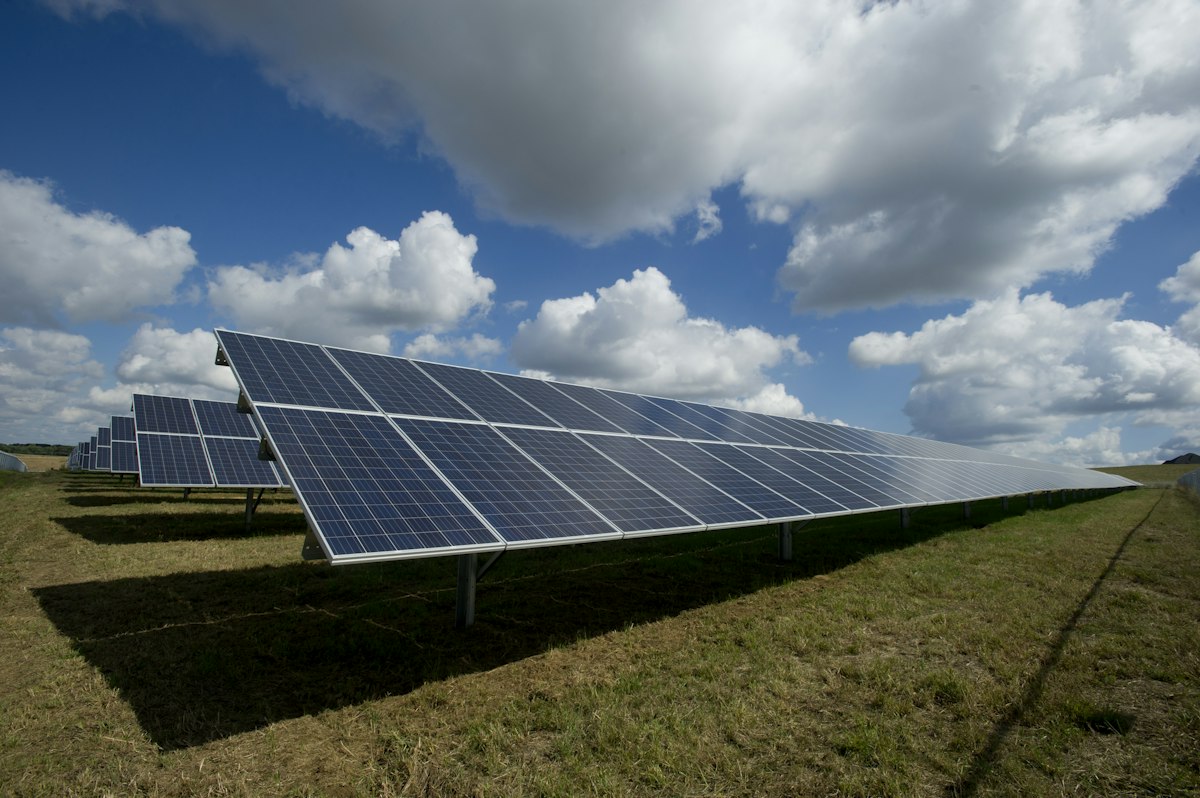
Lithium or lead acid? The choice shapes your whole off-grid system. Compare usable capacity, lifespan, charging, maintenance, and lifetime cost — and when each chemistry wins.

A remote-work van needs power you can count on every working day, not just sunny weekends. Size your system from a real load audit, combine solar, alternator, and shore charging, and monitor it daily.

Clear water is not necessarily safe water. Compare sediment, carbon, ceramic, and reverse osmosis filtration plus UV and chemical disinfection, and how to build a staged system for your source.
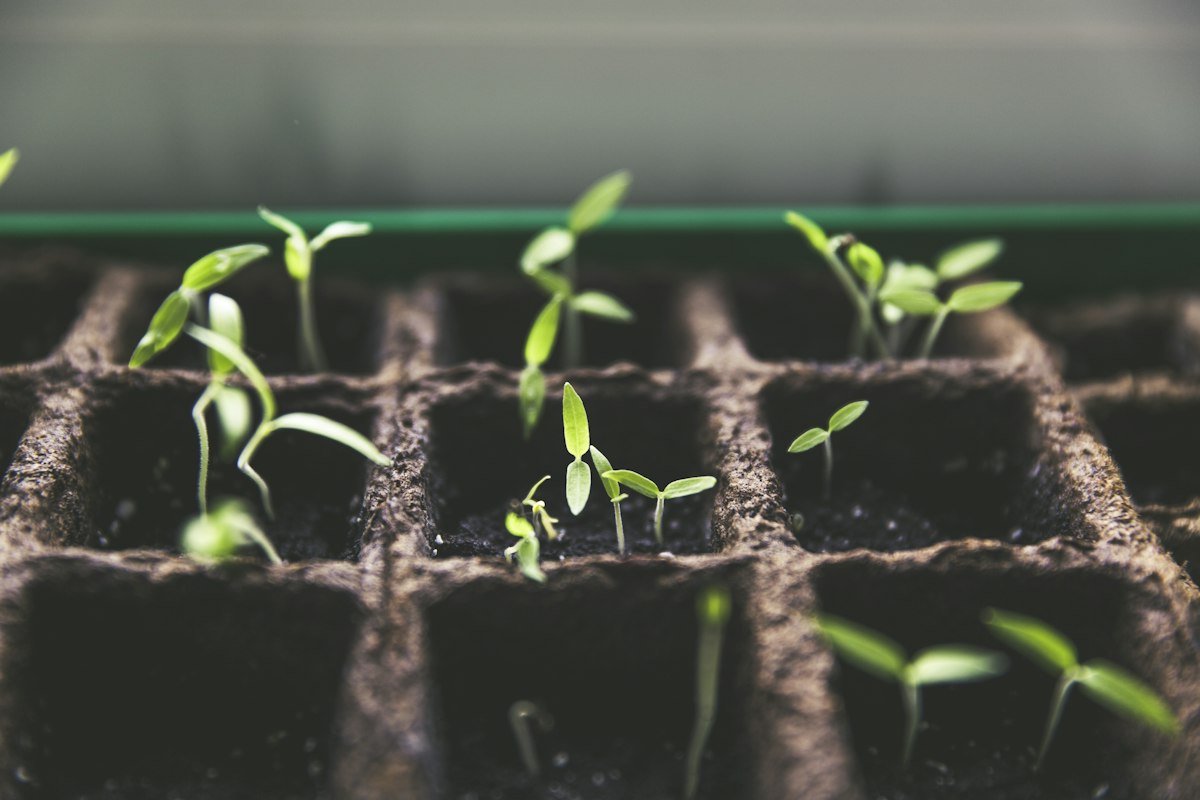
A first-year homestead garden should be modest, not maximal. Learn your site, build your soil, plant reliable crops in succession, and keep a journal that makes year two far better.
Solar sizing starts with your daily watt-hours, not with panel wattage alone: list every load, its watts, and its hours, then add them up. A cabin that uses 2,000 watt-hours a day needs a very different system from one that runs a fridge and power tools around the clock.
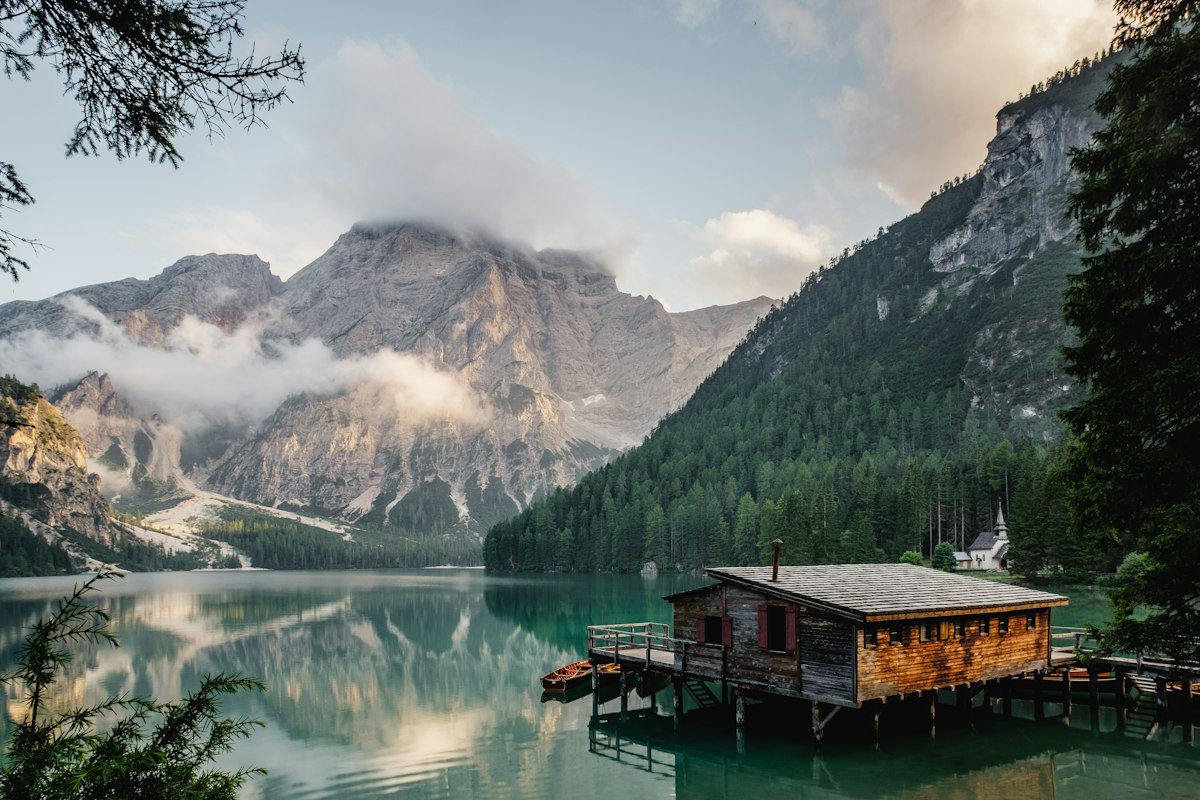
Small floor plans feel big when they borrow space: high ceilings, a loft for sleeping, windows on two walls, and furniture that does two jobs. The mistake is copying a normal house smaller, instead of designing around one main room that works all day.
Rainwater harvesting works with a clean roof, gutters, a first-flush diverter, and a covered tank, and the maths is simple: roof area times rainfall gives a rough yield. Filtration and use decide the rest, because garden water and drinking water need very different treatment.
A van electrical system is a loop: panels or alternator charging, a battery storing, and loads drawing, all protected by fuses and sized wire. Beginners overbuy panels and underbuy battery and wiring, which is why systems underperform even with good panels.
Poor soil improves fastest with organic matter, not with expensive fertiliser alone: compost, mulch, and a season of cover crops rebuild structure and life. Raised beds help in the first year, because you control the growing mix while the native soil recovers underneath.
Smelly compost is almost always too wet, too nitrogen-rich, or short of air, and the fix is dry browns, smaller pieces, and regular turning. A balanced pile smells earthy, heats up, and shrinks steadily, while a soggy pile goes slimy and sour.
Off-grid filtration depends on the source: rain, well, and surface water carry different risks, so no single filter fits every cabin. Gravity filters, ceramic filters, and UV treatment each handle different contaminants, and drinking safety usually needs more than one stage.
Heating a tiny home is easier than heating a house, but the small space punishes bad choices: wood needs dry fuel and clearance, diesel needs venting and fuel storage, and electric needs a large battery or grid connection. Insulation and air sealing matter more than heater size.
A three-month pantry starts with meals you already cook, not with bulk buckets of food nobody eats: list ten meals, multiply ingredients, and store what rotates. That approach avoids waste, because everything in storage is something your household will actually use.
Lithium batteries cost more upfront but offer deeper usable capacity, longer life, and lighter weight, while lead acid costs less but needs careful depth-of-discharge limits and maintenance. The cheapest battery per purchase is rarely the cheapest per usable kilowatt-hour over ten years.