What to Plant in Raised Beds Your First Year: A Beginner's Guide to High-Yield Crops
- Primary Signal: What to Plant in Raised Beds Your First Year: A Beginner's Guide to High-Yield Crops
- Overview: First-year raised beds should grow lettuce, radishes, bush beans, cherry tomatoes, zucchini, and herbs: forgiving, fast, and productive. Skip corn and cauliflower, space properly, ...
- Verification: Analyzed and compiled by SkyFree Living editorial monitoring desk.
First-year raised bed gardeners almost universally make the same three mistakes: they plant too much, space it too tightly, and choose crops that reward experienced gardeners rather than beginners. The result is a crowded bed, a disappointing harvest, and a gardener who decides they have a black thumb. They do not. They planted the wrong things.
Your first year should focus on crops that are forgiving, fast, and rewarding: plants that produce visible results within weeks, tolerate imperfect soil, and give you enough food to make the effort feel worthwhile. Here is what to plant, what to avoid, and how to lay out your first bed.
The First-Year Priority List
Start with lettuce and salad greens. Lettuce is the most forgiving crop in the raised bed toolkit: it germinates in cool soil, tolerates partial shade, and is ready to harvest in 30 to 45 days. Use the cut-and-come-again method, harvesting outer leaves and letting the plant keep producing, and a single bed can supply salads for weeks.
Add radishes, the fastest-feedback crop available, ready in 25 to 30 days from seeding. Add bush beans, which need almost no maintenance, no staking, and fix nitrogen in the soil for next year's crops. Add cherry tomatoes, which are dramatically more forgiving than large slicing varieties, and zucchini, which produces so prolifically that the challenge is managing abundance rather than coaxing production. Round out the bed with herbs: basil, parsley, chives, and cilantro are all easy, useful in the kitchen, and expensive to buy fresh.
How to Build and Fill Your First Bed
A single 4 by 4 or 4 by 8 foot bed is the right starting size: small enough to maintain without feeling overwhelmed, large enough to grow a meaningful amount of food. For depth, 10 to 12 inches is the sweet spot for most vegetables, though leafy greens and herbs can get by with six inches.
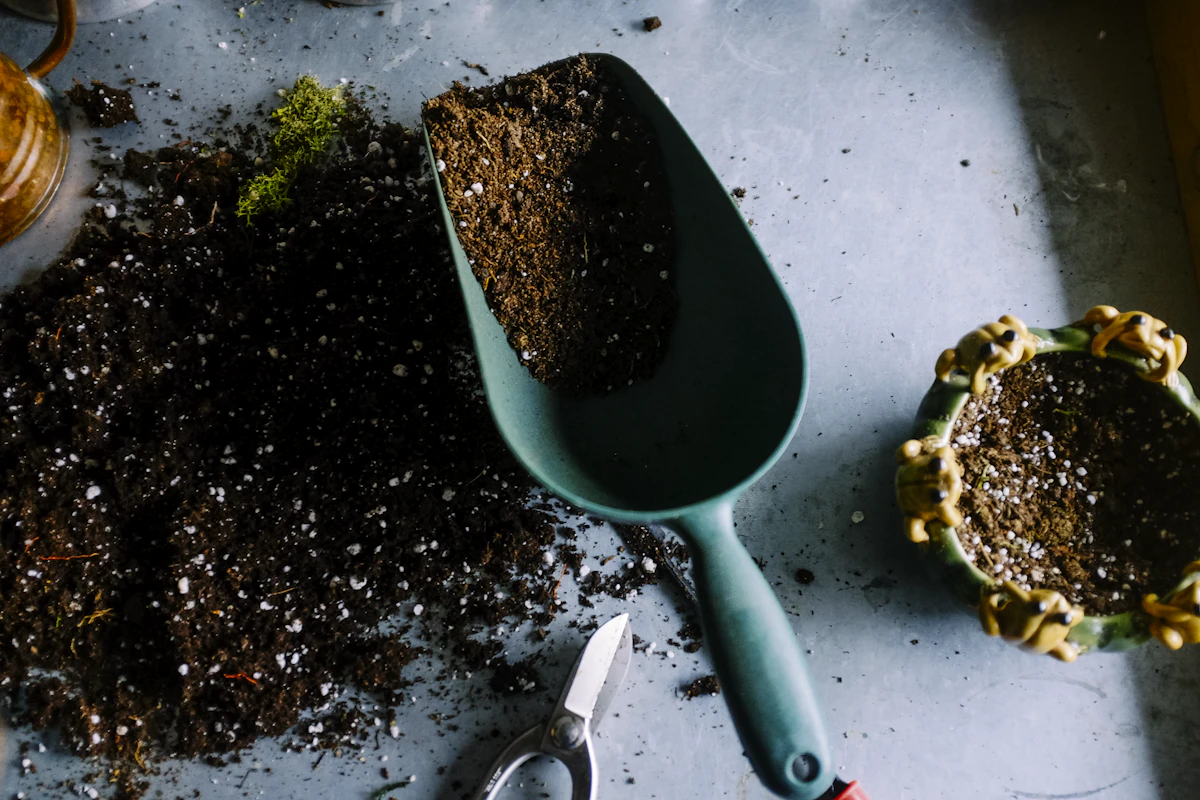
Fill it with a quality soil mix, not straight topsoil from the yard. The classic recipe is roughly one-third topsoil, one-third compost, and one-third aeration amendment such as coarse perlite or aged pine bark. First-year raised bed soil is often the best soil the plants will ever grow in, and a 2019 Iowa State study found that raised beds filled with a quality mix produced 1.3 to 2 times the yield per square foot of unimproved native soil in the first two seasons. A 4 by 8 foot bed dedicated to leafy greens can produce 32 to 64 pounds of greens per season.
Spacing, Succession, and What to Avoid
Spacing matters more than variety. The single most common beginner mistake is planting too close together. Each crop has a specific spacing requirement, and overcrowding leads to poor air circulation, disease, and stunted growth. A 4 by 8 bed fits four to six tomato plants, not twelve. Use square-foot gardening if you want a simple rule: divide the bed into a grid of one-foot squares and assign a set number of plants to each square.
Succession planting means staggering your plantings every two to three weeks, so you have a continuous harvest instead of a single glut. And avoid these crops in year one: corn, which needs large blocks for wind pollination; celery and cauliflower, which are finicky about timing and soil; and winter squash or melons, which will overwhelm a small bed. Year two is when raised bed gardening typically produces the yields that convert skeptics, so treat year one as a learning season and enjoy the salads along the way.
Companion Planting Made Simple
Keep companion planting simple in year one. Basil planted near tomatoes is the classic pairing, and many gardeners swear it improves flavour and helps deter aphids and whiteflies. Marigolds tucked along the edge of the bed add colour and are widely used to discourage nematodes and other soil pests. Mint should go in its own container even within the bed, because it spreads aggressively and will happily take over neighbouring soil if left unchecked.
That is enough. Plant your five or six forgiving crops, water consistently, watch what happens, and write down what worked. The best gardeners are not the ones who read the most books. They are the ones who plant, observe, and plant again, and your first raised bed is the perfect place to start that habit.
More from SkyFree Living


