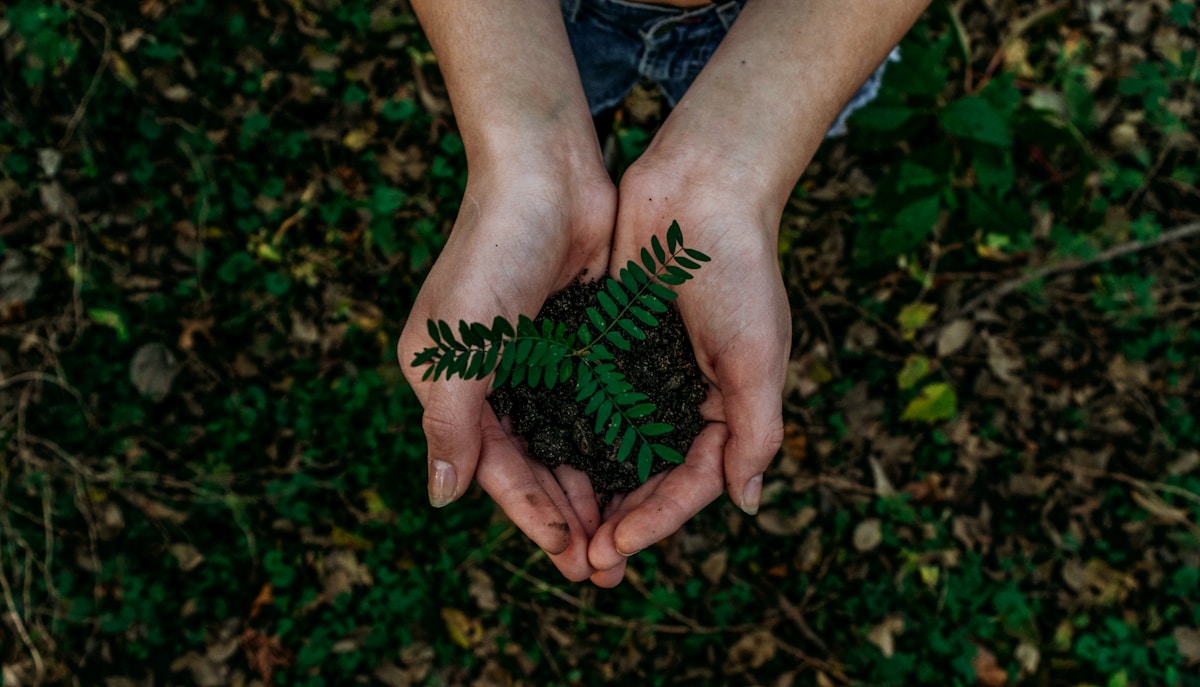
A healthy adult needs about 2.7 litres of total fluid a day if female and 3.7 litres if male, counting all drinks and food. Your personal target is roughly 35 millilitres per kilogram of body weight per day.
Archive: 2026
315 stories published in 2026
Hand washing, plunger washers, and simple drying routines can keep clothes genuinely clean off-grid, without a powered machine or a laundromat trip.
Greywater from sinks, showers, and laundry can water ornamental plants and trees, provided you keep it simple, use it fresh, and keep it away from food crops and drinking water.
Layered, low-power security — good locks, lighting, visibility, and simple alarms — protects an off-grid home far better than any single gadget.
A safe tiny home loft comes down to stairs you can climb half-asleep, rails that stop a fall, and enough headroom to sit up without hitting the ceiling.
Winterizing a camper van means protecting water, batteries, and pipes from frost, sealing draughts, and keeping heat and ventilation in balance on cold nights.
Wood-stove cooking is about managing fire size, fuel, and pan placement — once you learn the hot and cool zones, you can cook full meals without a gas or electric hob.
Adjusting panel tilt seasonally — steeper in winter, flatter in summer — helps a small off-grid array catch more sun when days are short and low.
A first-flush diverter catches the dirtiest first rain off your roof — dust, bird droppings, and leaves — and keeps it out of your stored rainwater.
A simple root cellar uses cool, humid, underground conditions to keep potatoes, carrots, onions, and apples for months without electricity.
Good off-grid lighting is about placement and efficiency: LEDs, task lights, and light-coloured surfaces give bright rooms without draining a small solar system.
Sizing a tiny home solar system starts with your daily energy use, not panel wattage. Work through this calculation before you buy anything.
A composting toilet saves water and works anywhere, but needs hands-on maintenance. A regular toilet is familiar but demands water and a septic or sewer connection.
Insulation is the one van build step you cannot easily redo. Avoid these seven mistakes and your van will stay warmer, drier, and quieter.
A beginner rainwater system needs only a clean roof, a gutter, a first-flush diverter, and a tank. Start small, filter well, and scale later.
No fridge does not mean no fresh food. Root cellaring, fermentation, drying, and smart pantry design kept food safe for centuries.
Heating a tiny home in winter means balancing heat output, power use, and safety in a small space. Compare diesel, propane, mini-split, and electric options.
Working from an off-grid home needs reliable internet. Compare satellite, cellular, and fixed wireless options for rural locations.
A first-year vegetable garden should be small, sunny, and simple. This plan takes you from soil preparation to your first harvest.
LiFePO4 batteries can last a decade, but only with correct charging, temperature care, and sensible depth of discharge. These eight tips protect your investment.
Low-impact living starts with small, repeatable swaps, not a perfect zero-waste overhaul. These fifteen changes cut waste without making life harder.
Charging a LiFePO4 battery below freezing causes permanent lithium plating damage, and a good BMS will block it entirely. Learn the real limits and the heating solutions that keep winter solar working.
Tiny homes concentrate moisture from cooking, showering, and breathing into a small space, and condensation follows. Learn the ventilation, insulation, and habit fixes that stop mold before it starts.
Gym memberships, outdoor showers, and built-in wet baths each solve the van life shower problem differently. Compare cost, space, water use, and comfort before you build.