
Composting Toilet for a Tiny Home: Pros and Cons
A composting toilet can free a tiny home from sewer and septic, but it demands regular maintenance, ventilation, and honest expectations about the work involved.
107 stories published in November 2026
A composting toilet can free a tiny home from sewer and septic, but it demands regular maintenance, ventilation, and honest expectations about the work involved.

Rural tiny homes can get online through satellite, cellular, or fixed wireless — the right choice depends on your location, speed needs, and budget.
Heating a tiny house in winter is easier than heating a big house, but the small space punishes bad choices fast — here is how to pick a safe, efficient system.

Off-grid monthly costs vary widely, but the main expenses are food, fuel, maintenance, and debt — and the biggest savings come from having no rent or mortgage.

Van life usually costs less upfront but more in daily living, while a tiny house costs more to build but less to live in — the cheaper choice depends on how much you move.

Your first homesteading year should focus on soil, water, shelter, and one or two animals or crops done well — not on doing everything at once.
LiFePO4 batteries cost more upfront but last longer and deliver more usable power than lead acid, making them the better value for most off-grid solar systems.
Tiny home parking legality depends on whether your home counts as a dwelling, a vehicle, or an RV — and that classification, plus local zoning, decides where you can stay.

A healthy adult needs about 2.7 litres of total fluid a day if female and 3.7 litres if male, counting all drinks and food. Your personal target is roughly 35 millilitres per kilogram of body weight per day.
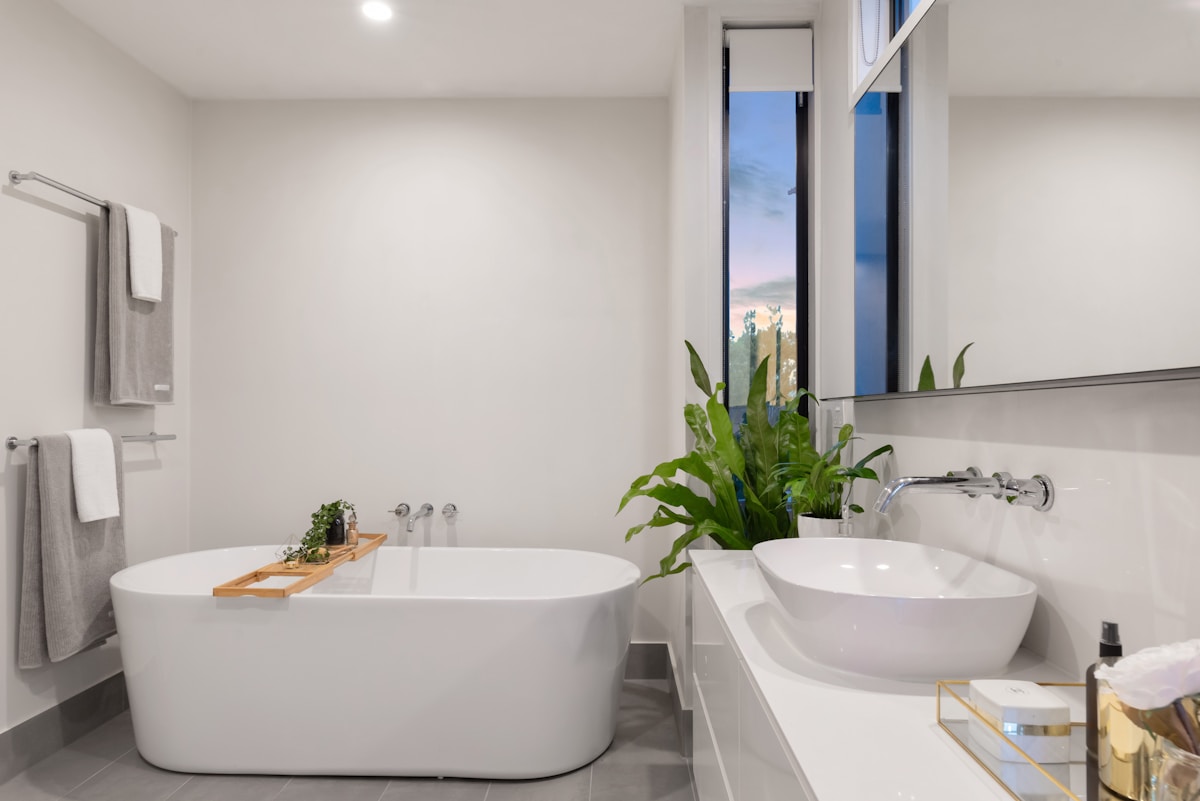
Hand washing, plunger washers, and simple drying routines can keep clothes genuinely clean off-grid, without a powered machine or a laundromat trip.
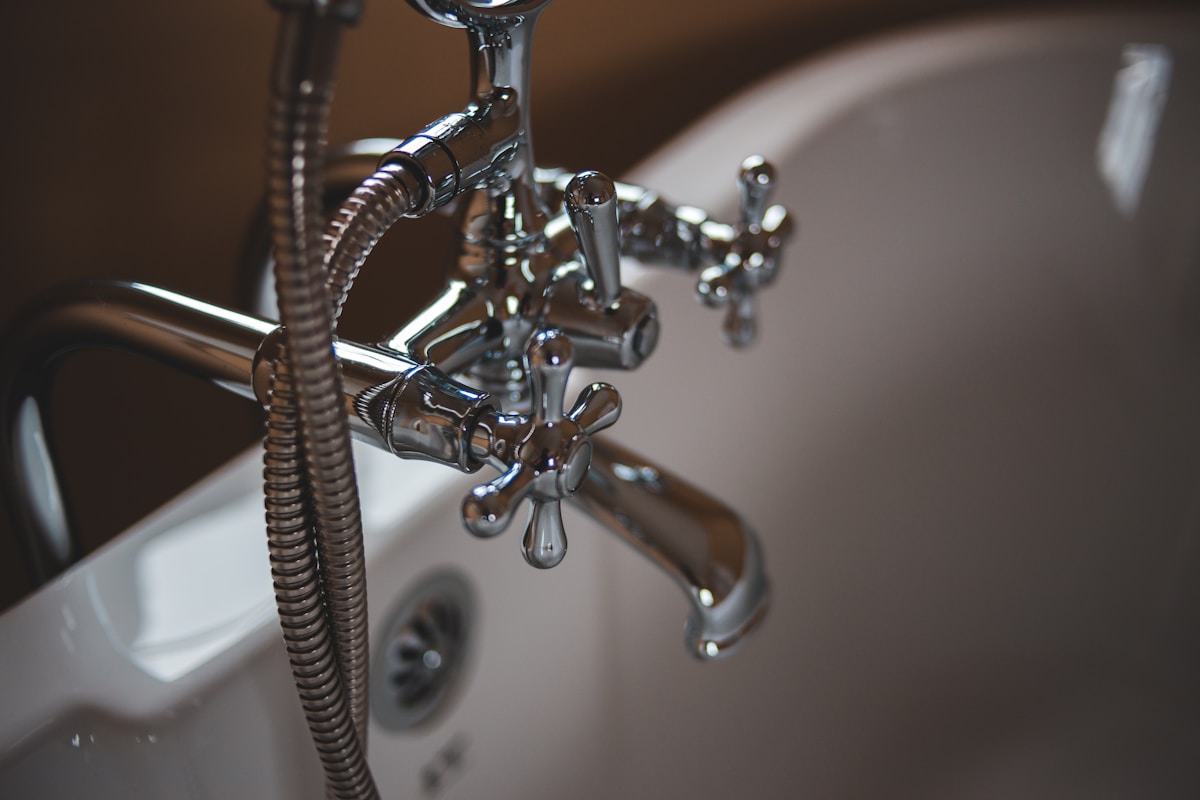
Greywater from sinks, showers, and laundry can water ornamental plants and trees, provided you keep it simple, use it fresh, and keep it away from food crops and drinking water.

Layered, low-power security — good locks, lighting, visibility, and simple alarms — protects an off-grid home far better than any single gadget.
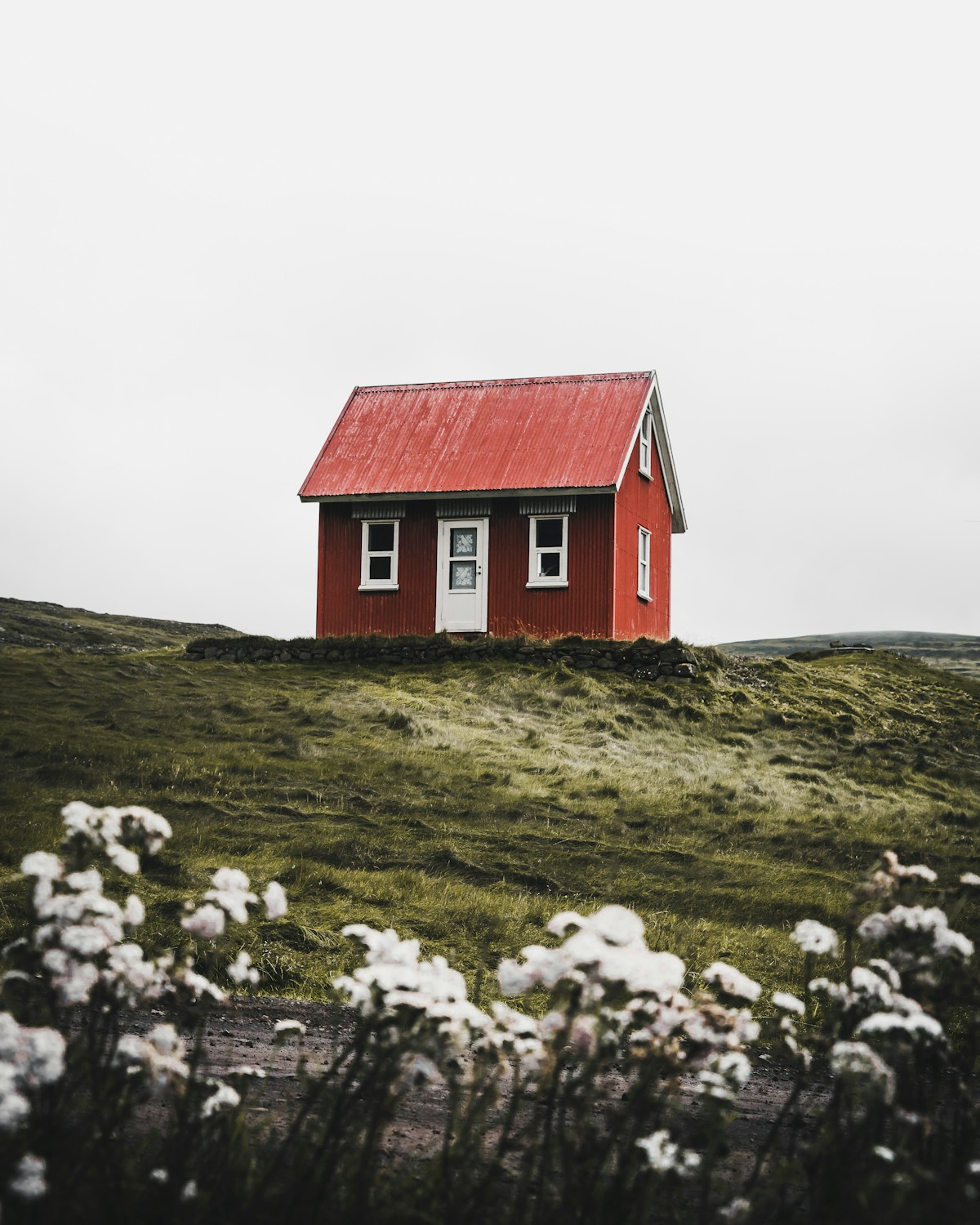
A safe tiny home loft comes down to stairs you can climb half-asleep, rails that stop a fall, and enough headroom to sit up without hitting the ceiling.

Winterizing a camper van means protecting water, batteries, and pipes from frost, sealing draughts, and keeping heat and ventilation in balance on cold nights.

Wood-stove cooking is about managing fire size, fuel, and pan placement — once you learn the hot and cool zones, you can cook full meals without a gas or electric hob.

Adjusting panel tilt seasonally — steeper in winter, flatter in summer — helps a small off-grid array catch more sun when days are short and low.

A first-flush diverter catches the dirtiest first rain off your roof — dust, bird droppings, and leaves — and keeps it out of your stored rainwater.

A simple root cellar uses cool, humid, underground conditions to keep potatoes, carrots, onions, and apples for months without electricity.
Good off-grid lighting is about placement and efficiency: LEDs, task lights, and light-coloured surfaces give bright rooms without draining a small solar system.
Sizing a tiny home solar system starts with your daily energy use, not panel wattage. Work through this calculation before you buy anything.
A composting toilet saves water and works anywhere, but needs hands-on maintenance. A regular toilet is familiar but demands water and a septic or sewer connection.

Insulation is the one van build step you cannot easily redo. Avoid these seven mistakes and your van will stay warmer, drier, and quieter.

A beginner rainwater system needs only a clean roof, a gutter, a first-flush diverter, and a tank. Start small, filter well, and scale later.

No fridge does not mean no fresh food. Root cellaring, fermentation, drying, and smart pantry design kept food safe for centuries.