How to Milk a Goat by Hand: Routine, Hygiene, and Storing Fresh Milk
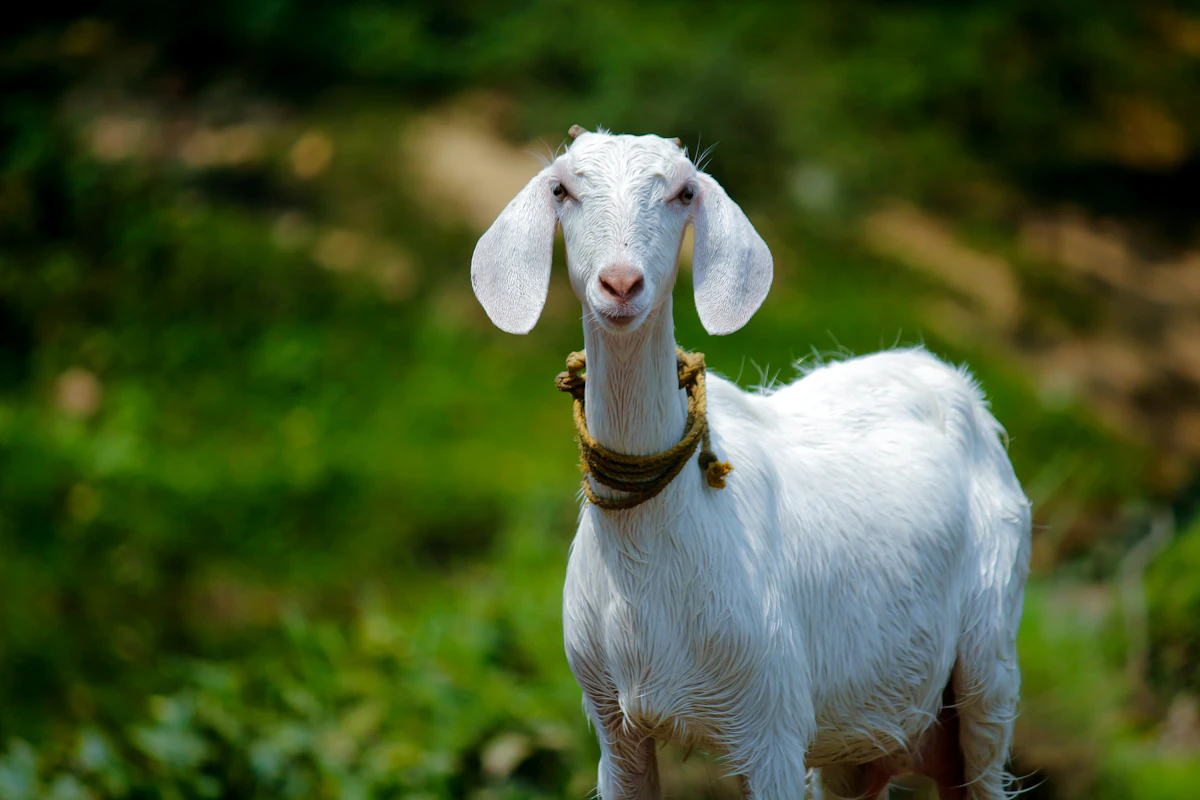
- Primary Signal: How to Milk a Goat by Hand: Routine, Hygiene, and Storing Fresh Milk
- Overview: Hand-milking a goat is a skill any homesteader can learn in a week. Learn the routine, the hygiene that keeps milk sweet, and how to store and use the milk....
- Verification: Analyzed and compiled by SkyFree Living editorial monitoring desk.
A dairy goat gives a homestead fresh milk every day, and hand-milking is how most small holders start. It looks hard the first time — the goat moves, your hands cramp, the milk goes everywhere except the bucket. A week later it is a ten-minute routine you could do half asleep. The secret is a calm goat, a consistent routine, and clean hands.
A milking stand is the first thing to build or buy. It holds the goat still, keeps her head in a feed bucket, and puts her udder at a comfortable height for you. Train the goat to the stand before she freshens, with grain and gentle handling, so milking day is not her first experience of it.
Goats love routine. Milk at the same time every day, in the same order, with the same calm manner. Talk to her, move slowly, and never punish a kick — it only makes the next milking harder. A goat that trusts you will stand quietly; a goat that fears you will dance all over the stand.
Wash your hands and the udder first, with warm water and a clean cloth. Strip a few squirts from each teat into a separate cup and discard them — this clears the teat canal and lets you check the milk looks normal. Then milk into a clean, covered bucket.
The motion is a squeeze, not a pull. Wrap your thumb and forefinger around the top of the teat to close it off, then close your other fingers one by one down the teat, pushing the milk out. Pulling down on the teat hurts the goat and damages the udder. It will feel awkward for the first few days, then your hands will learn it. Milk each side until the udder feels soft and empty.
Cleanliness decides whether your milk tastes sweet or goes off. Wash the udder before milking, keep the bucket covered, and strain the milk through a fine filter into a clean jar immediately after milking. Cool it fast — a jar in a bowl of cold water, or straight into the fridge. Warm milk breeds bacteria fast.
Watch for signs of mastitis: a hot, hard udder, milk with clots, or a goat that flinches when you touch her. Catch it early, treat it promptly, and do not drink milk from an affected side until it clears. Keep your milking area clean and dry, and wash your hands between goats if you milk more than one.
Fresh goat milk keeps in the fridge for three to five days in a clean, sealed jar. Chill it as fast as you can after milking, and keep it away from strong-smelling foods, because milk absorbs odours. For longer storage, freeze it in portions — it freezes well for three months and thaws fine for cooking.
Goat milk is wonderful for drinking, but it shines in the kitchen: cheese, yogurt, soap, and ice cream. A litre a day from one good dairy goat is enough for a family's drinking milk and a weekly batch of cheese. Keep records of how much each goat gives, so you know who earns her keep and who does not.
Give yourself a week to learn, and forgive yourself the first few messy milkings. Every goat keeper spills milk, gets kicked, and wonders whether they will ever get the rhythm — and every one of them gets it, usually by day five. The routine becomes one of the most peaceful parts of the homestead day: the quiet barn, the warm milk, the goat chewing her grain. It is work, but it is work that gives back immediately, in a way few chores do. A jar of fresh milk on the table is the simplest proof that the homestead is working, and it starts with ten calm minutes every morning.
More from SkyFree Living


