How to Make Sourdough Bread From Scratch: Starter, Schedule, and First Loaf
- Primary Signal: How to Make Sourdough Bread From Scratch: Starter, Schedule, and First Loaf
- Overview: How to make sourdough bread from scratch: build a starter in a week, follow a simple baking schedule, and bake your first loaf....
- Verification: Analyzed and compiled by SkyFree Living editorial monitoring desk.
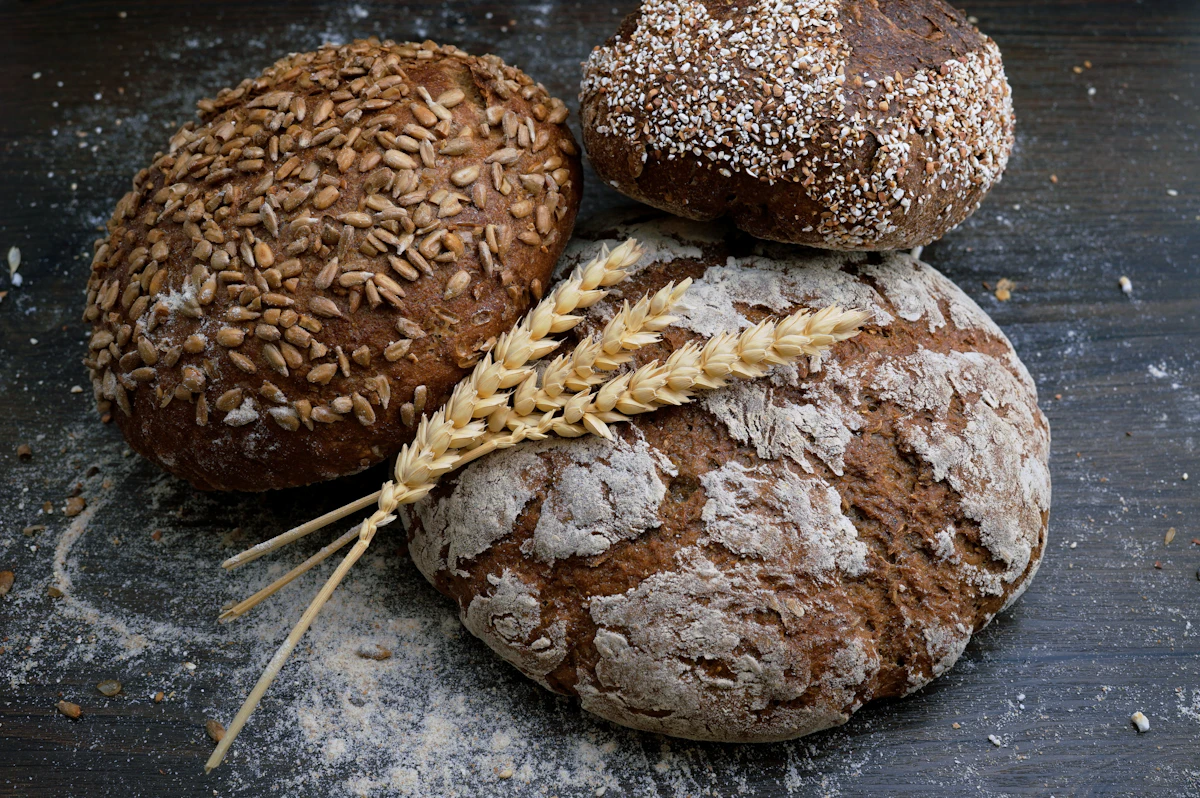
Sourdough bread needs only three ingredients: flour, water, and salt. The rise comes from a starter, a jar of flour and water full of wild yeast and friendly bacteria that you keep alive on your counter. Once the starter is strong, you can bake bread for years without ever buying yeast again, which is why sourdough is a staple of off-grid and homestead kitchens.
Build your starter over seven days. On day one, mix 60 grams of whole wheat flour with 60 grams of water in a clean jar and cover it loosely. Each day after that, discard all but 60 grams of the mixture and feed it with 60 grams of fresh flour and 60 grams of water. By day five or six it should smell pleasantly sour and double in size within four to eight hours of feeding.
Use unbleached flour and unchlorinated water for your starter. Chlorine in tap water can slow the yeast, so let tap water sit out overnight before you use it, or use filtered water. Whole wheat or rye flour works best for starting, because it carries more wild yeast than white flour. Switch to white flour for feeding once the starter is active.
A classic beginner loaf uses 500 grams of bread flour, 350 grams of water, 100 grams of active starter, and 10 grams of salt. That is 70 percent hydration, because 350 divided by 500 equals 0.70, which gives a soft, open crumb without being hard to handle. Weigh your ingredients with a kitchen scale; cup measurements are too inaccurate for reliable bread.
Follow a simple schedule. Mix the flour and water and let them rest for 30 minutes. Add the starter and salt, then knead or fold the dough every 30 minutes for the first two hours. Let it rise until it has grown by about half, which usually takes four to six hours at room temperature. Shape it, put it in a basket or bowl, and let it rest in the fridge overnight.
Bake in a Dutch oven if you have one. Heat the oven to 450 degrees Fahrenheit with the Dutch oven inside. Place the dough on parchment, lower it into the hot pot, cover it, and bake for 20 minutes. Remove the lid and bake for another 20 to 25 minutes until the crust is deep brown. The lid traps steam, which is what gives sourdough its crackling crust.
Let the loaf cool for at least an hour before you cut it. This is the hardest step for new bakers, because the bread smells wonderful, but cutting a hot loaf lets the steam escape and leaves the crumb gummy. A loaf that cools fully slices cleanly and stays fresh for days, while a loaf cut hot goes stale faster.
Keep your starter alive with a simple routine. If you bake weekly, feed it once a day on the counter. If you bake less often, store it in the fridge and feed it once a week. To revive a fridge starter, take it out, feed it twice over two days, and use it when it doubles reliably after feeding.
The most common beginner mistake is impatience. A starter that is only three days old will not raise a loaf, and a dough that has not risen enough will bake dense. If your first loaf is flat, the answer is almost always to give the starter two more days and the dough two more hours. Sourdough rewards waiting more than any other kind of bread.
Once your starter is reliable, you can use the discard in pancakes, crackers, and pizza dough, so nothing is wasted. A single jar of starter can feed a family for years, and many homesteaders keep the same starter going for a decade or more. It costs almost nothing, needs no electricity, and turns the cheapest ingredients into the best bread you will ever eat.
Q: How do I know my starter is ready to bake with? A: It should double in size within four to eight hours of feeding, smell pleasantly sour like yoghurt, and float when you drop a spoonful in water. If it fails the float test, feed it for two more days and test again.
Q: Why is my sourdough dense and flat? A: The most common causes are an underfed starter, a dough that did not rise long enough, or too much water for a beginner. Drop the hydration to 65 percent, 325 grams of water to 500 grams of flour, and let the dough rise until it has clearly grown.
Q: Can I make sourdough without a Dutch oven? A: Yes. Bake the loaf on a baking sheet with a tray of hot water on the rack below to create steam, or bake it in a covered roasting pan. The crust will be slightly less crisp, but the bread will still be good.
More from SkyFree Living