How to Make Soap at Home: A Cold Process Guide for Complete Beginners
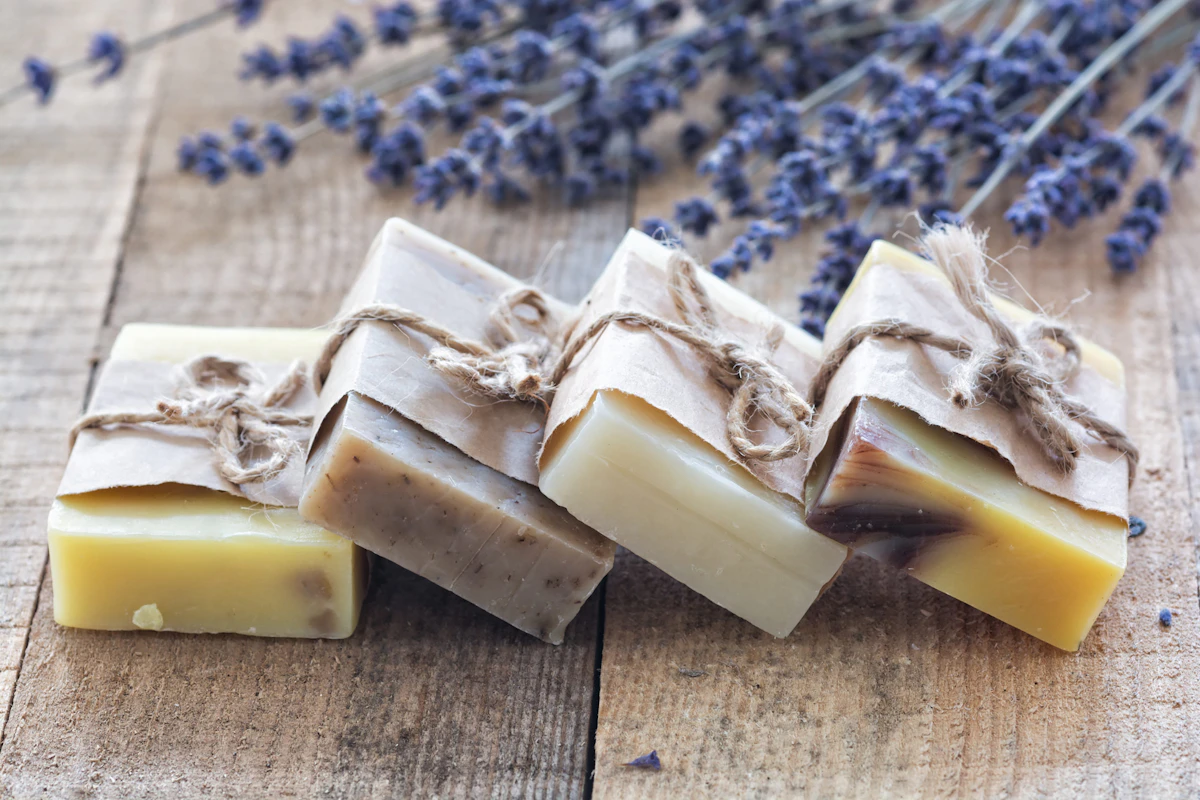
- Primary Signal: How to Make Soap at Home: A Cold Process Guide for Complete Beginners
- Overview: Homemade soap is simpler than it looks, and far cheaper than boutique bars. Here is a safe, step-by-step cold process method for your first batch....
- Verification: Analyzed and compiled by SkyFree Living editorial monitoring desk.
Homemade soap sits at the sweet spot of homesteading skills: it is practical, it saves money, it makes a lovely gift, and it feels like a small act of independence every time you use a bar you made yourself. Cold process soap, the traditional method, sounds intimidating because it involves lye, a caustic chemical that demands respect. In truth, the process is straightforward, the safety rules are simple, and your first batch can be finished in an afternoon. This guide walks through the method, the safety rules that matter, and the mistakes that turn a first batch into a learning experience instead of a success.
Safety First: Lye Demands Respect
Lye, or sodium hydroxide, is the ingredient that turns oil into soap, and it is the only part of the process that can hurt you. Treat it seriously. Wear gloves and eye protection every time you handle it. Work in a well-ventilated space, and keep children and pets out of the room. Always add lye to water, never water to lye, because adding water to lye can cause a dangerous eruption. Use a heat-safe container, such as stainless steel or heavy plastic, never aluminium, which reacts with lye. Mix the lye water outside or near an open window if you can, and let it cool before you use it. These rules sound strict, but they become habit quickly, and they are the reason soap makers work with lye for decades without incident.
Equipment and a Simple First Recipe
You need a digital scale, a stick blender, a heat-safe jug for the lye water, a pot for the oils, a mould, and a thermometer. A silicone loaf mould is ideal for a first batch. For the recipe, use a simple, forgiving blend: 500 grams of olive oil, 300 grams of coconut oil, and 200 grams of shea butter, with 137 grams of lye and 260 grams of distilled water. Run any recipe through a lye calculator before you use it, because the amount of lye depends on the exact oils. Weigh everything; soap making is chemistry, and volume measurements are not accurate enough. Have everything measured and ready before you start, because once the lye is mixed, the process moves quickly.
The Method, Step by Step
First, mix the lye into the water, stir until dissolved, and set it aside to cool to around 40 degrees Celsius. Second, gently melt the solid oils, add the liquid oils, and let the mixture cool to roughly the same temperature. Third, pour the lye water into the oils, taking care not to splash, and blend with the stick blender in short bursts. The mixture will thicken to a pudding-like state called trace, which usually takes one to three minutes. Fourth, stir in any fragrance or colour at trace, then pour the soap into the mould, tap it to release air bubbles, and cover it with a towel to keep it warm. Fifth, leave it for 24 to 48 hours, then remove it from the mould and cut it into bars. Finally, cure the bars for four to six weeks on a rack with air circulating around them. Curing is not optional; it completes the chemical process and makes a hard, long-lasting, gentle bar.
Mistakes, Troubleshooting, and Going Further
The most common first-batch problems are easy to diagnose. Soap that stays soft usually has too much water or too little lye, so check your measurements and your lye calculator. Soap with white powder on top has soda ash, which is harmless and can be washed off. Soap that separates in the mould was probably not blended to a full trace. Keep notes on every batch: the recipe, the temperatures, and the result. After two or three plain batches, start experimenting: add oatmeal for texture, swap in a new oil, or try a natural colour such as cocoa powder. A bar of homemade soap costs a fraction of a boutique bar, and it carries no plastic packaging and no ingredients you cannot pronounce. That is a small, satisfying victory, and it is one you can repeat every month.
More from SkyFree Living


