How to Grow Herbs Indoors in Winter: Light, Water, and Harvesting

- Primary Signal: How to Grow Herbs Indoors in Winter: Light, Water, and Harvesting
- Overview: Fresh herbs in winter are one of the easiest homestead wins, because a sunny windowsill and a few pots are all it takes. This guide covers the herbs that thrive indoors, the light ...
- Verification: Analyzed and compiled by SkyFree Living editorial monitoring desk.
Fresh herbs in winter are one of the easiest homestead wins, because a sunny windowsill and a few pots are all it takes. This guide covers the herbs that thrive indoors, the light they need, and how to harvest without killing the plant.
This guide covers the herbs that actually thrive indoors, light: the one thing that decides everything, water, soil, and feeding, and harvesting without killing the plant. Each section explains the topic with concrete examples, so you can use what you learn straight away.
Basil, parsley, chives, mint and cilantro are the easiest herbs to grow indoors, because they tolerate pots and regular harvesting. Rosemary, thyme and oregano also grow well inside, but they need more light and less water than the leafy herbs. Start with two or three varieties you cook with often, rather than ten pots you will neglect by February.
Herbs need six to eight hours of bright light a day, so a south-facing windowsill is the best spot in most homes. If your windows are small or face north, a simple LED grow light on a timer for 12 to 14 hours a day will keep herbs growing through winter. Turn the pots every few days, because herbs lean toward the light, and a plant that only grows on one side becomes weak and leggy.
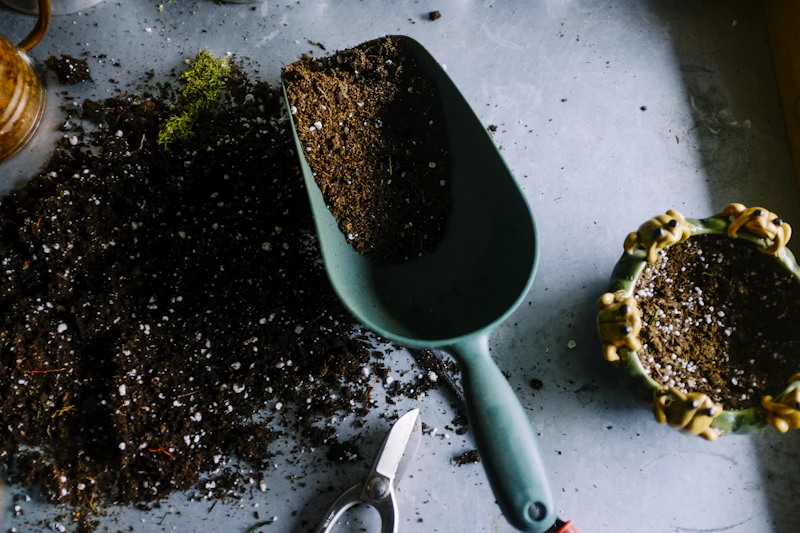
Use pots with drainage holes and a light potting mix, because herbs hate wet feet and root rot is the most common indoor killer. Water when the top inch of soil feels dry, and water thoroughly until it drains out the bottom, then empty the saucer. Feed lightly once a month with a weak liquid fertiliser, because overfed herbs grow fast but taste bland.
Harvest in the morning, when the oils are strongest, and never take more than a third of the plant at once. Pinch from the top, just above a leaf joint, because that encourages the plant to branch out instead of growing tall and thin. Dry or freeze your surplus in late summer, so you have homegrown herbs even in the weeks when the indoor pots are resting.
More from SkyFree Living