How to Build a DIY Greenhouse From Old Windows: A Weekend Project
- Primary Signal: How to Build a DIY Greenhouse From Old Windows: A Weekend Project
- Overview: Old windows are free, already glazed, and perfect for greenhouse walls. This weekend project turns a pile of discarded windows into a real growing space, with tips on framing, roof...
- Verification: Analyzed and compiled by SkyFree Living editorial monitoring desk.
A greenhouse extends your growing season by months, but a new one costs a lot of money. An old window greenhouse costs almost nothing. Old windows are free or cheap from renovation sites, demolition yards, and online listings, and they make perfect greenhouse walls: they already have glass, frames, and a way to open for ventilation. A weekend of work turns a pile of old windows into a real growing space.
Finding windows is the first job, and it is easier than most people expect. Builders, window companies, and renovation projects throw away hundreds of old windows every week. Check online classifieds, ask at local building sites, and look at demolition yards. Try to collect windows of similar size, because matching sizes make the build far simpler. Wooden-framed windows are best for a greenhouse, because they are easy to screw together and easy to repair. Avoid windows with cracked glass or rotten frames.
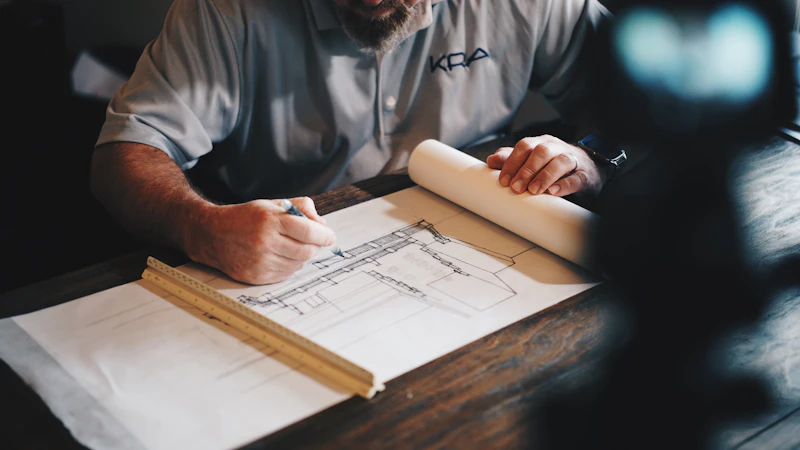
Plan the size before you start building. A greenhouse that is two metres wide and three metres long is a good size for a first build: big enough to grow in, small enough to heat with the sun alone. Sketch the design on paper, counting how many windows you have for each wall and the roof. The walls should be at least as tall as the windows, and the roof should slope so rain runs off. A simple lean-to design against a south-facing wall is the easiest build of all.
Build a solid base first. A low wall of concrete blocks or timber, about thirty centimetres high, keeps the windows off the ground and stops them rotting. Level the base carefully, because a greenhouse built on a slope will rack and the glass will crack. Then build a simple timber frame on top of the base: corner posts, a wall plate along the top, and studs where the windows will join. Screw the window frames to the studs, and seal the gaps with silicone or foam tape.
The roof is the trickiest part. Old windows make a heavy roof, so the frame underneath must be strong. Use solid timber rafters, spaced closely together, and screw the windows down firmly. Leave at least one roof window that opens, because a greenhouse without ventilation will cook your plants on the first sunny day. If the roof feels too heavy or too complicated, use clear corrugated plastic for the roof instead, and save the windows for the walls. It is lighter, cheaper, and still lets in plenty of light.
Ventilation is what makes a greenhouse work. Hot air rises, so an opening at the top of the roof and a low opening at the bottom create a natural flow that cools the space. An automatic vent opener, a simple wax-filled cylinder that opens as it warms, costs little and saves your plants on days when you are away. Add a door that fits well and closes firmly, because a greenhouse that will not close is useless in cold weather.
Watering a greenhouse is different from watering a garden bed. The soil dries out faster, and the plants are packed closer together. Water in the morning so the leaves dry before night, which stops fungal disease. A simple drip system, even just a hose with holes in it, saves time and water. Mulch the beds with straw to hold moisture in the soil, and keep a watering can handy for seedlings that need a gentle touch.
For your first planting, start with easy crops that love greenhouse conditions: tomatoes, peppers, cucumbers, and herbs. Start them from seed indoors, then move them into the greenhouse when the nights are reliably frost-free. Grow tall crops at the back and short crops at the front, so nothing shades anything else. And grow something you love to eat, because the first tomato from your own greenhouse will taste better than any tomato you have ever bought.
An old window greenhouse is proof that a useful building does not need a big budget. Free windows, a timber frame, and a weekend of work give you a growing space that lasts for years. It will not be perfect, and it will need repairs, but it will grow food. And that is the whole point of a homestead greenhouse.
More from SkyFree Living