Starting an Herb Garden on a Small Homestead: What to Grow First
- Primary Signal: Starting an Herb Garden on a Small Homestead: What to Grow First
- Overview: Herbs are the highest-value crop a small homestead can grow: cheap to start, easy to keep alive, and useful every single day. Start with these....
- Verification: Analyzed and compiled by SkyFree Living editorial monitoring desk.
Ask an experienced homesteader what they would plant first on a new piece of land, and many will say herbs — not vegetables, not fruit trees, but herbs. The reason is simple arithmetic. A packet of basil seed costs a couple of dollars and produces more fresh leaves than a family can eat all summer. A rosemary plant bought once can live for a decade. Herbs need little space, little water, and little skill, and they pay you back daily in cooking, in tea, in medicine, and at the market stall. For a small homestead, they are the highest-return crop you can grow. Here is what to plant first and how to keep it alive.
The First Five Herbs to Grow
Start with basil, mint, rosemary, thyme, and parsley — the five herbs that cover almost everything a kitchen needs. Basil is the summer star: it grows fast, it loves heat, and it turns into pesto, salads, and sauces all season. Mint is nearly unkillable, but it must be grown in a pot or a contained bed, because it will take over any garden it touches. Rosemary is a perennial shrub in warm climates and a potted plant you bring inside in cold ones; once established, it needs almost no care. Thyme is a low, tough perennial that survives drought and poor soil, and parsley is the workhorse — it grows in cool weather, it keeps producing for months, and it goes into nearly every meal.
Buy plants, not seeds, for the perennials — rosemary, thyme, and mint establish far faster from a small bought plant than from seed, and the few dollars you spend save a whole season of waiting. Basil and parsley are easy from seed and cheap enough to sow generously. Plant basil after the last frost, because it dies at the first cold night, and plant parsley early, because it tolerates cool weather and will still be producing when the basil is long gone.
Where to Plant and How to Care for Them
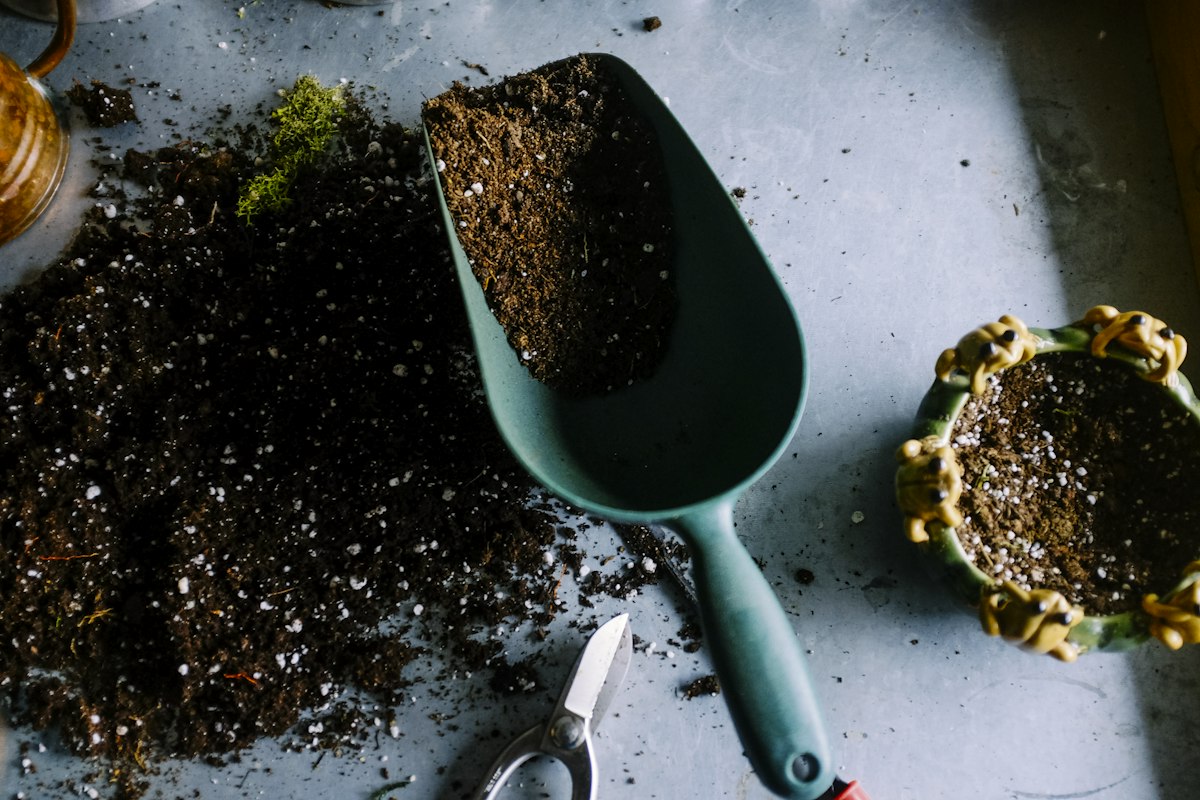
Herbs want sun and drainage more than they want rich soil. Six hours of sun a day is the minimum for most, and a raised bed or a row of pots against a sunny wall is ideal on a small homestead. Mediterranean herbs — rosemary, thyme, and oregano — actually prefer poor, gritty soil and suffer in rich, wet ground, so do not overfeed them or water them like vegetables. Basil and parsley want more water and richer soil, so group the thirsty herbs together and the dry-loving herbs together, and you will stop killing one group while watering the other.
Harvesting is what keeps herbs productive. Pinch basil regularly from the top, and it branches and grows bushier instead of going to seed. Cut parsley from the outside stems and it keeps producing from the centre for months. Never take more than a third of a perennial plant at once, and always harvest in the morning, when the essential oils are strongest and the flavour is best. A weekly harvest of a few minutes is all the maintenance a herb garden needs — and it is the kind of chore that feels like cooking, not work.
Using, Preserving, and Selling the Surplus
Fresh herbs are only the start. Dry the surplus by hanging small bunches in a dark, airy place for a week or two, then strip the leaves into jars — home-dried herbs taste far better than shop-bought ones that have sat on a shelf for a year. Freeze basil as pesto, freeze parsley and mint in ice cube trays with a little water or oil, and make herb salt by layering fresh leaves with coarse salt in a jar. A small homestead herb garden can fill a pantry shelf with flavour that would cost a small fortune at the shop.
The surplus sells too. A pot of fresh basil or rosemary at a market stall sells for several dollars, and a small bunch of mixed fresh herbs is one of the easiest things to sell at a farm gate. Dried herb blends, herb salts, and small potted plants are the natural next step, and they need no refrigeration, no special licence in most places, and almost no packaging. Start with five herbs, learn them well, and your smallest garden bed will become the most useful — and the most profitable — patch of ground you own.
An herb garden is the smallest, cheapest, and most forgiving project a new homesteader can start — and it is the one you will use every single day. Plant the five, keep them sunny and drained, and harvest often. The rest of the homestead can wait; the herbs cannot, because dinner is tonight.
More from SkyFree Living