
Tiny Home Heating Options for Winter: From Diesel Heaters to Mini-Splits
Heating a tiny home in winter means balancing heat output, power use, and safety in a small space. Compare diesel, propane, mini-split, and electric options.
107 stories published in November 2026
Heating a tiny home in winter means balancing heat output, power use, and safety in a small space. Compare diesel, propane, mini-split, and electric options.

Working from an off-grid home needs reliable internet. Compare satellite, cellular, and fixed wireless options for rural locations.

A first-year vegetable garden should be small, sunny, and simple. This plan takes you from soil preparation to your first harvest.

LiFePO4 batteries can last a decade, but only with correct charging, temperature care, and sensible depth of discharge. These eight tips protect your investment.

Low-impact living starts with small, repeatable swaps, not a perfect zero-waste overhaul. These fifteen changes cut waste without making life harder.
Charging a LiFePO4 battery below freezing causes permanent lithium plating damage, and a good BMS will block it entirely. Learn the real limits and the heating solutions that keep winter solar working.
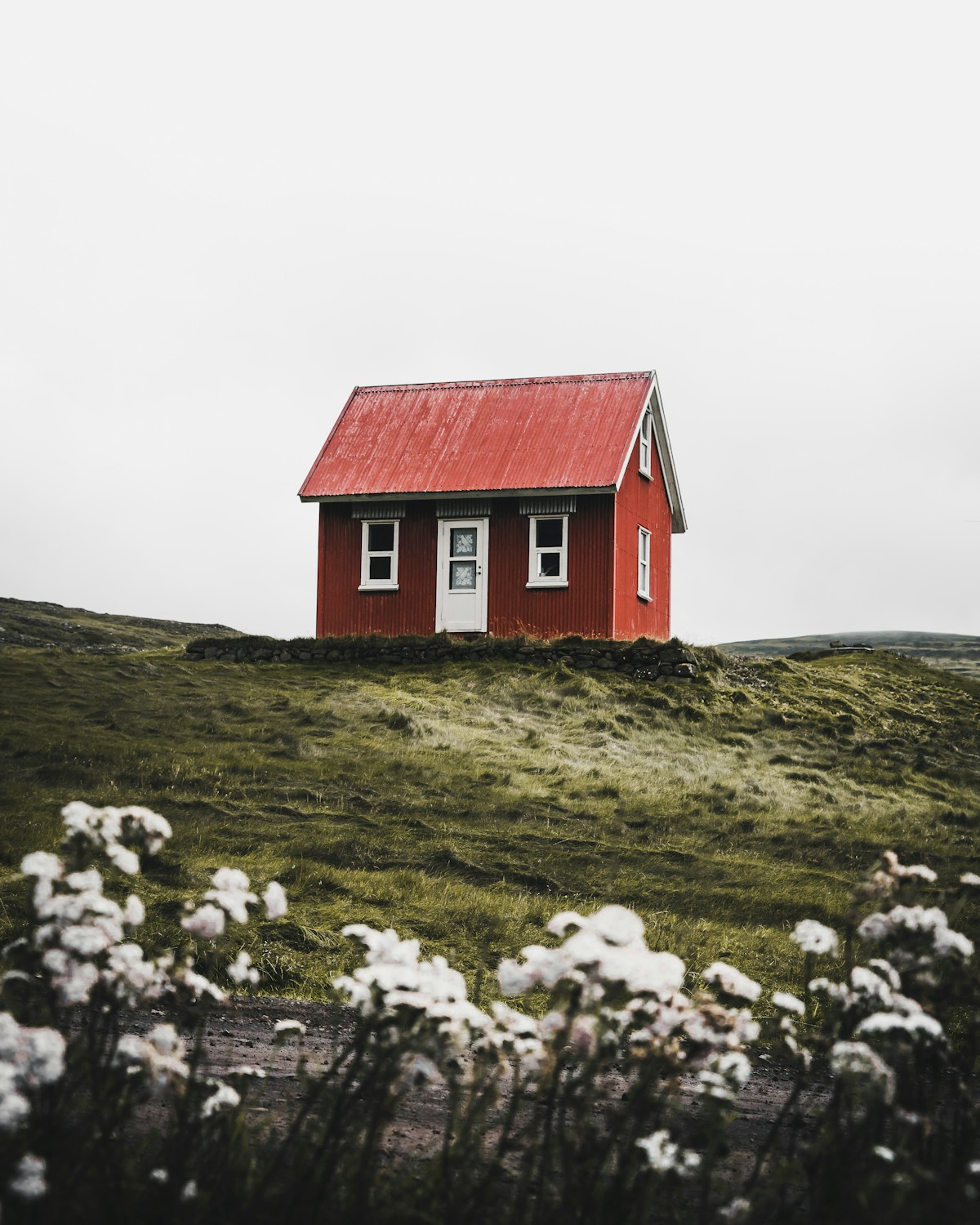
Tiny homes concentrate moisture from cooking, showering, and breathing into a small space, and condensation follows. Learn the ventilation, insulation, and habit fixes that stop mold before it starts.

Gym memberships, outdoor showers, and built-in wet baths each solve the van life shower problem differently. Compare cost, space, water use, and comfort before you build.

A small flock of three to six hens gives most households all the eggs they need. Learn breed choices, coop requirements, predator protection, and what eggs really cost.
Stealth camping works when you are boring: arrive late, leave early, stay dark and quiet, and rotate spots. Learn the location, light, and etiquette rules that keep you under the radar.
A solar generator is portable and simple but fixed in capacity; a component system is expandable and cheaper per watt-hour but needs installation. Compare power, charging, cost, and repairability.

Woody herbs dry well, soft herbs freeze better, and each method has its own rules. Learn when to dry, freeze, or infuse your herb harvest for flavor all winter.
Wheels, skids, piers, and slabs each suit different tiny home situations. Compare mobility, cost, legality, and site demands before you commit to a foundation.

Hot water is the first luxury off-grid homes miss. Compare tankless propane, solar, wood-fired, and electric water heating on fuel, cost, climate fit, and safety.

Most adults need 7 to 9 hours of sleep each night. Teenagers need 8 to 10 hours, school-age children need 9 to 12 hours, and newborns need 14 to 17 hours.
Sizing a battery bank for a perfect sunny day is the most common off-grid mistake. This guide walks you through the two-day autonomy rule, real load numbers, and matching panels to your battery.
Composting and incinerating toilets are the two main water-free options for a tiny home, but they cost and behave very differently. Compare prices, energy use, maintenance, and which one fits your life.

One gallon of water per square foot of roof, per inch of rain: that is the math that makes rainwater harvesting work. Learn how to size a tank, filter for drinking, and stretch your supply through the dry season.

Working from a van in 2026 is very doable, but only with a layered setup. Compare cellular hotspots, Starlink Roam, and free Wi-Fi, and learn the combination that keeps video calls alive on the road.
A single four-by-eight raised bed can feed a household's salads and herbs. Learn which crops forgive beginners, how to water and feed the soil, and how to handle pests without sprays.
A loft saves floor space but costs you headroom, cool air, and easy midnight trips. A ground-floor bedroom costs space but gains comfort and resale value. Here is how to choose honestly.
Spray foam seals best, sheep's wool breathes best, and rigid board insulates thinnest. Compare R-values, costs, and moisture behavior to pick the right insulation for your tiny home walls, roof, and floor.
Zoning, permits, and septic rules are where off-grid dreams usually hit reality. This guide explains what to check before you buy land, and the legal paths owners actually use to live off-grid full-time.
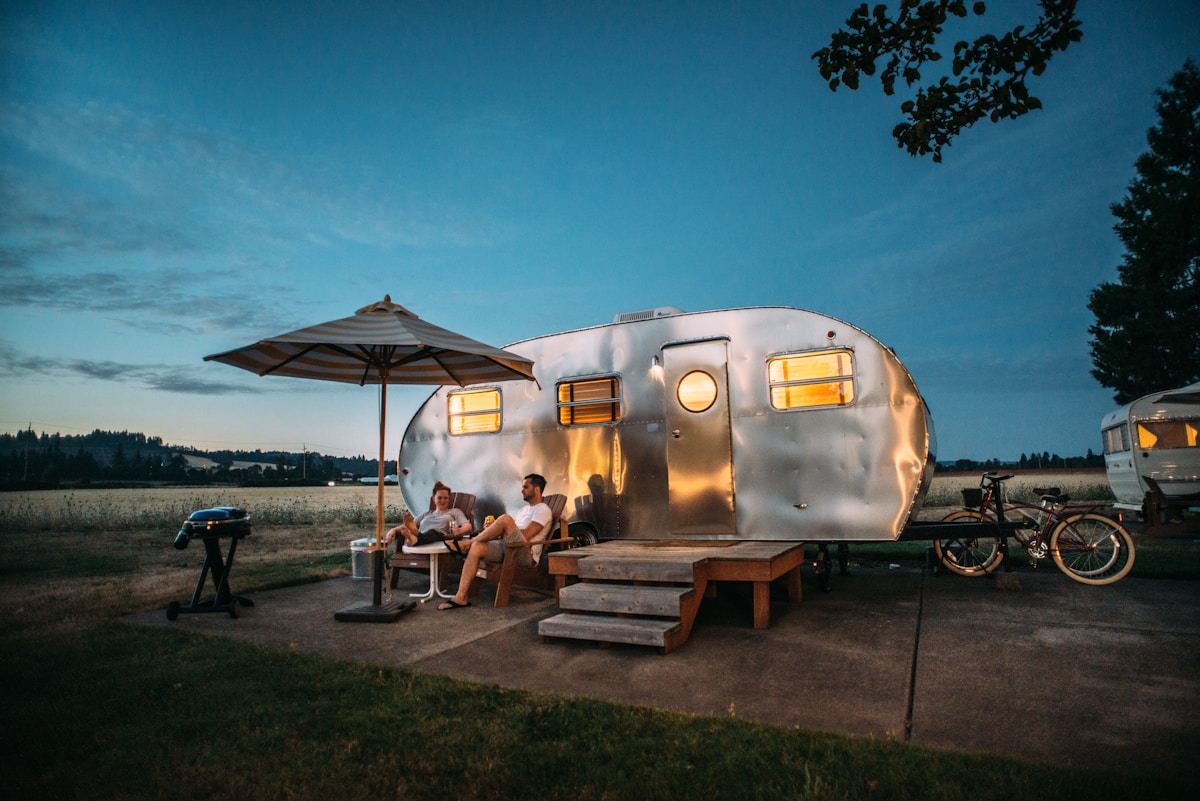
A good van kitchen means real meals instead of gas station sandwiches. Learn how to choose a stove, store food safely, wash dishes on five gallons of water, and plan one-pot meals that work on the road.